
Walk into any home for sale, and your eyes drop to the floor before they hit the walls. Flooring sets the tone for how a buyer feels about a space, and if you are selling to a cash buyer, that first impression can shape what number lands on the offer sheet. Homeowners often ask if carpet, tile, or hardwood actually moves the needle on price. The short answer is yes, though not always in the way people expect, and not always by much. Below is a room-by-room, floor-by-floor look at what actually crosses a buyer’s mind during a walkthrough.
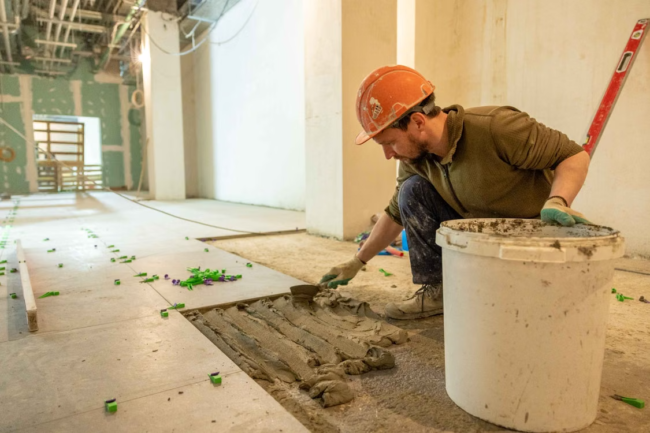
What Home Buyers Notice First When They Walk In
Flooring is one of the first things a buyer registers, right alongside smell and lighting. Worn, dated, or stained floors send a signal that upkeep may have slipped elsewhere in the house, too. A cash buyer looking at a property is not judging your taste in decor. They are calculating repair costs, resale value, and how quickly the home could turn around once purchased. A glance at the floors, along with the kitchen and bathrooms, usually tells them most of what they need before they even walk into a bedroom.
Old Carpet And What It Does To Your Cash Offer
A carpet that has seen better days is one of the fastest ways to lower a buyer’s mental math. Stains, flattened fibers, and lingering odors from pets or smoke all read as replacement costs, and those costs get subtracted somewhere in the offer calculation. Buyers who plan to flip or rent a property almost always assume old carpet needs to go, so they price that expense in from the start.
If you request a quote from a company like Cape Fear Cash Offer, you may find that carpet condition rarely tanks a deal entirely. Cash buyers are used to working around cosmetic issues, and they often prefer to make their own flooring choices after closing rather than ask sellers to fix it first.
Tile Floors Bring Mixed Results For Sellers
Tile has a reputation for durability, and buyers generally see it as low maintenance. In kitchens and bathrooms, tile is often viewed as a plus because it holds up against water and daily wear better than other materials.
Cracked or chipped tile tells a different story. Buyers wonder what caused the damage, whether it is foundation movement, water intrusion, or simple age, and that uncertainty can lead to a more cautious offer while they factor in inspection risk.
Outdated tile patterns or colors from decades past rarely kill a deal on their own. Most cash buyers plan for updates regardless of current condition, so dated tile gets folded into their renovation budget rather than treated as a dealbreaker. If you’re looking for home upgrading advice, grout that looks dirty or stained falls into this same category, since a deep clean or fresh grout line is a minor fix compared to structural concerns.
Hardwood Still Wins Buyers Over
Hardwood floors carry a certain prestige that carpet and tile rarely match. Buyers associate real wood with quality construction and long-term value, and that perception can nudge an offer slightly higher compared to a similar home with worn carpet throughout.
Scratches, fading, and minor wear on hardwood are usually seen as cosmetic and fixable through refinishing rather than full replacement. This makes hardwood one of the more forgiving flooring types when it comes to preserving value, even when it shows its age. Even sun-bleached patches near windows or squeaky boards near a staircase rarely change a buyer’s overall read on the home.
Mixing Floor Types Room To Room
A patchwork of flooring styles across a house, carpet in bedrooms, tile in the kitchen, vinyl in a hallway, is common and rarely a red flag by itself. What matters more to buyers is whether transitions look intentional or thrown together, since messy transitions can hint at rushed past renovations done without much care or planning.
Should You Replace Flooring Before You Sell
Replacing flooring before listing sounds appealing; however, it rarely makes financial sense when selling to a cash buyer. New flooring is expensive, and there is no guarantee the buyer’s crew will not tear it out again to match their own renovation plans.
Cash buyers purchase homes in as-is condition specifically so sellers can skip these projects. Spending money on new floors right before a cash sale often means losing that investment rather than recovering it in the final offer.
Instead of replacing floors, a light cleaning or a simple carpet shampoo can go a long way. It costs little, takes almost no time, and removes the worst of the visual and odor issues that might otherwise catch a buyer’s attention during a walkthrough.
Bottom Line On Flooring And Your Offer
Flooring does play a role in how buyers perceive a home, and hardwood tends to earn a slight edge, while damaged tile or heavily soiled carpet can raise a few questions. None of these factors typically makes or breaks a cash offer on its own. Cash buyers are built around flexibility, purchasing homes in whatever condition they currently sit, floors included. If you are weighing whether to fix up flooring before selling, the smarter move is usually to skip the renovation, request an offer as-is, and let the buyer factor in the details themselves.
FAQ
Q1: Does the type of flooring in my home affect the cash offer I receive?
Answer: Yes, the type of flooring can impact your cash offer. Buyers often assess the condition of flooring as part of their evaluation, with hardwood typically earning a
slight edge over carpet and tile. However, it’s not the only factor, and cash buyers often purchase homes as-is.
Q2: What flooring condition is most likely to lower my cash offer?
Answer: Worn or stained carpet can be a quick way to lower a buyer’s offer.Buyers factor in replacement costs, especially if they see issues like flattened fibers or lingering odors. Tile can also affect offers if it’s cracked or chipped, as buyers may worry about underlying issues.
Q3: Should I replace my flooring before selling my home?
Answer: Generally, it’s not advisable to replace flooring before selling to a cash buyer. New flooring is expensive, and cash buyers often prefer to purchase homes as-is. Instead, consider a light cleaning or carpet shampoo to enhance the appearance without significant investment.
Q4: How do buyers perceive different types of flooring?
Answer: Buyers usually view hardwood floors as a sign of quality and long-term value, while tile is appreciated for its durability. However, outdated tile patterns or damaged flooring can raise concerns during a walkthrough, leading to more cautious offers.
Q5: Is it okay to mix different types of flooring in my home?
Answer: Yes, mixing flooring styles is common and generally not a red flag. What matters more is how well the transitions between different flooring types are executed. Messy transitions can hint at rushed renovations, so aim for intentional design wherever possible.