
Ask most people what a backyard studio is for and you’ll get one of two answers: a home office or a she-shed. Both are fine answers. But walk through enough neighborhoods and you’ll find glass-walled backyard buildings being used in ways that would surprise the people who invented the category.
The appeal makes sense once you think about it. A sun studio gives you a separate, light-filled room steps from your back door, without the cost and disruption of a home addition. Natural light does most of the design work for you, and the separation from the main house changes how the space feels and how you use it.
Here are eight uses we keep seeing that go well beyond the standard desk-and-laptop setup.
1. A Plant Conservatory That Actually Keeps Plants Alive
Houseplant people know the struggle. South-facing windows fill up fast, grow lights take over the living room, and the fiddle leaf fig still drops leaves out of spite.
A glass-heavy backyard room changes the math entirely. With light coming in from multiple sides, orchids, citrus trees, succulents, and overwintering tropicals get the kind of exposure they simply can’t get on a windowsill. Gardeners use these rooms to start seedlings in late winter, harden off transplants in spring, and keep tender perennials alive through winter instead of letting them die and rebuying every year.
One practical note from people who’ve done it: add shading you can adjust. Full glass is wonderful for plants and occasionally brutal on a July afternoon, so roll-up shades or a retractable screen earn their keep fast.
2. An Art Studio With Honest Light
Ask any painter, and they’ll tell you north light is the gold standard, the soft, steady illumination that doesn’t shift dramatically through the day and doesn’t distort color the way warm afternoon sun does. Studios built with that in mind have been prized by artists for over a century.
A backyard glass room puts that kind of light within reach of people who could never afford a dedicated art building. Watercolorists, ceramicists glazing their pieces, quilters matching fabrics, and anyone who works with color notices the difference immediately. There’s also something about closing the studio door at the end of a session that keeps a project from taking over the kitchen table. Paint can dry overnight without a curious cat or a toddler passing through.
3. A Yoga and Meditation Room You Actually Use
Here’s a pattern familiar to anyone who has tried to keep a home practice: the living room corner where the yoga mat lives slowly gets reclaimed by everything else. The mat ends up behind the couch, and the practice quietly stops.
A separate room fixes the friction problem. People who move their practice into a backyard studio describe a small but real psychological shift. Walking twenty feet across the yard to a dedicated space feels like going somewhere, and that transition helps the mind let go of the dishes and the laundry waiting inside.
Morning people especially love the sunrise angle. Facing east with a cup of tea, watching the light come up through the glass, beats a basement corner with a salt lamp every time.
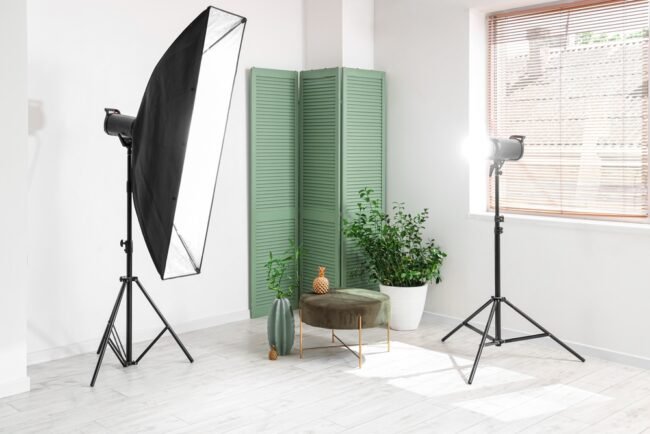
4. A Photography Studio With Free Lighting
Professional product photographers pay serious money for light. Homeowners with an Etsy shop, a small business, or a photography hobby get a surprising amount of it for free in a sun studio.
Diffused daylight through glass or a shade screen produces soft, even lighting that flatters handmade goods, food, portraits, and plants. Sellers who photograph their own inventory report far less time fiddling with lamps and reflectors. Some add blackout curtains on one wall so they can control contrast, effectively getting both a bright studio and a controlled one in the same room.
5. A Guest Room That Doesn’t Require Renovating the House
Not every visitor needs the spare bedroom, mostly because plenty of homes don’t have one. A finished, insulated, climate-controlled studio works remarkably well as guest quarters for weekend visitors, in-laws who prefer their own space, or adult kids home for the holidays.
The separation is a feature, not a bug. Guests get privacy and quiet, hosts get their routine back, and everyone gets along better for it. Add a daybed or a sleeper sofa, a small heater or mini-split, and decent window coverings, and you have lodging that beats any airbnb in the family’s opinion. Some homeowners run a simple Murphy bed along one wall so the room can flip back to a studio or reading space between visits.
6. A Homeschool and Homework Room
Families who school at home discovered something quickly: the kitchen table is a terrible classroom. There are snacks happening, siblings arguing, and a dishwasher running two feet away.
A backyard studio gives school-age kids and teens a genuine learning space with natural light, which teachers and researchers have long linked to better focus and mood. Parents use it for structured lessons in the morning, and it doubles as a quiet study hall for teenagers doing remote classes. When the school day ends, the room can pivot to crafts, music practice, or a hangout space, which keeps one building pulling triple duty.
7. A Workshop for the Quiet Crafts
Woodworking needs a garage. But plenty of crafts don’t, and many of them badly want good light and a clean floor. Sewing and quilting, leatherwork, jewelry making, model building, bookbinding, flower arranging, candle pouring, all of these thrive in a bright, dedicated room where projects can stay set up mid-process instead of being packed away after every session.
That last part matters more than people expect. Serious hobbyists will tell you that having to clean up and set back up kills momentum on long projects. A dedicated studio means the sewing machine stays threaded, the cutting mat stays marked, and the project waits patiently for the next free evening.
8. A Reading Room and Escape Hatch
Perhaps the simplest use, and the one people underestimate the most: a room whose entire purpose is being somewhere else. A chair, a lamp for evenings, a small table for coffee, and a wall of windows looking out at the garden.
Readers describe it as the closest thing to a private library most of us will ever have. It’s also where people go to write in a journal, take a phone call away from the house, or sit with a coffee before the rest of the family wakes up. In a world where every room in the house has a job and a to-do list attached, a room with no job at all turns out to be a luxury worth building.
A Few Things to Consider Before Choosing Your Purpose
Whatever use appeals to you most, a few practical points will shape the decision:
- Insulation and climate control matter if you want year-round use. A three-season room is fine for fair weather, but plant conservatories, guest rooms, and winter reading nooks need proper insulation and heat.
- Electrical planning pays off. Outlets for kilns, sewing machines, heaters, or a kettle are much easier to plan before installation than to add after.
- Match the glazing to the use. Artists and photographers often want options to diffuse or block light on demand, while plant lovers usually want maximum transmission.
- Check local rules early. Setbacks, permits, and HOA guidelines vary a lot, and it’s far better to know them before you fall in love with a floor plan.
The common thread across all eight uses is simple: people aren’t just adding storage or square footage. They’re adding a room with a purpose the main house can’t provide, and doing it in the lightest, most pleasant corner of the property. Whether it ends up holding orchids or oil paints, a yoga mat or a guest bed, the sun does most of the decorating, and that never gets old.Read more at https://myflashyhome.com/.