
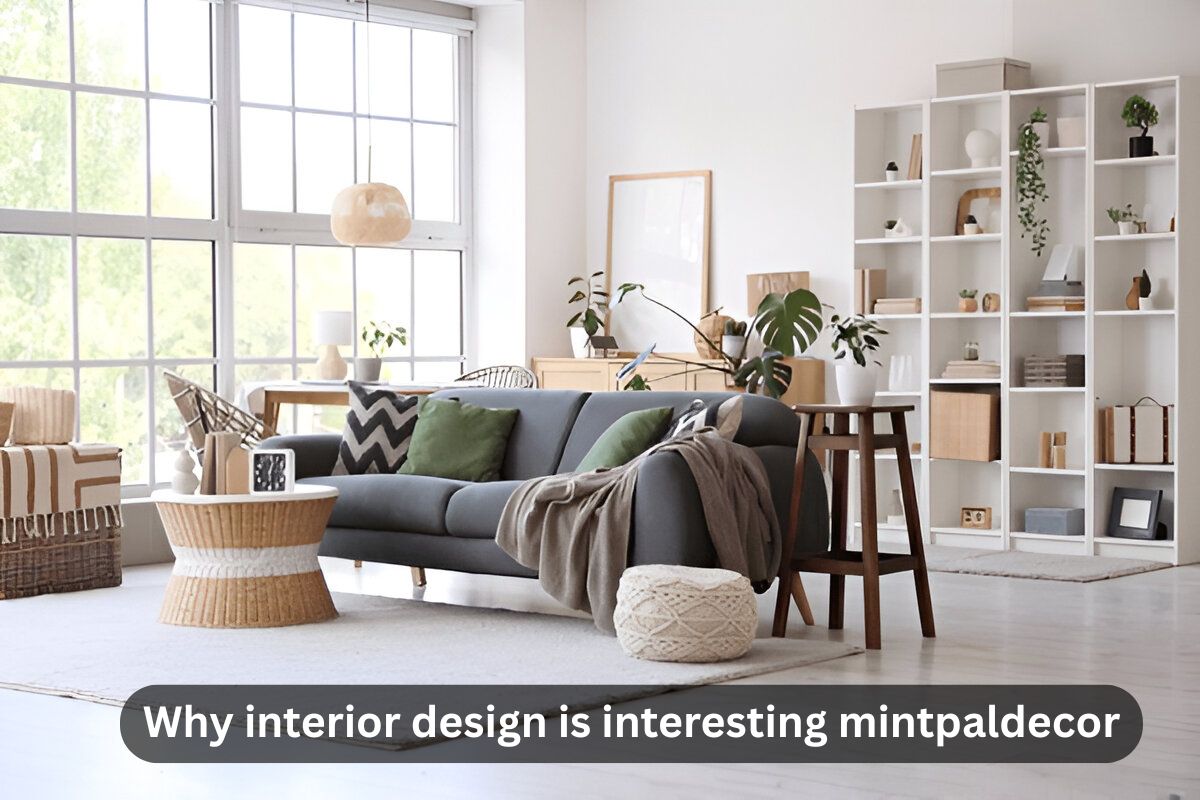
Interior design is interesting because it brings creativity, technical planning, human behavior, and practical problem-solving into one field. A well-designed room is not created by choosing attractive furniture alone. It requires careful decisions about layout, lighting, movement, storage, materials, comfort, safety, and the needs of the people using the space.
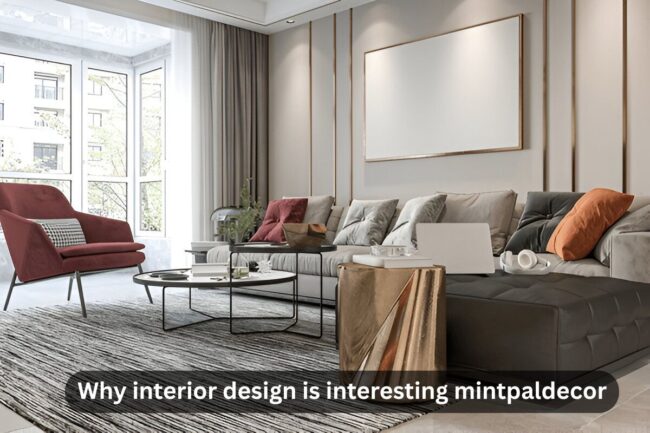
Every room presents a different challenge. One home may need more storage, while another may need better natural light, flexible furniture, or a layout that works for multiple generations. This variety keeps interior design from becoming repetitive.
The subject also appeals to different types of people. Homeowners may use design principles to make their homes easier to live in. Students may be interested in the balance between art and technical knowledge. Renters may want practical ideas that improve a room without major renovation.
This guide explains why interior design remains such an engaging subject and how thoughtful design can improve the appearance, function, and experience of everyday spaces.
Why Interior Design Is Interesting: A Quick Answer
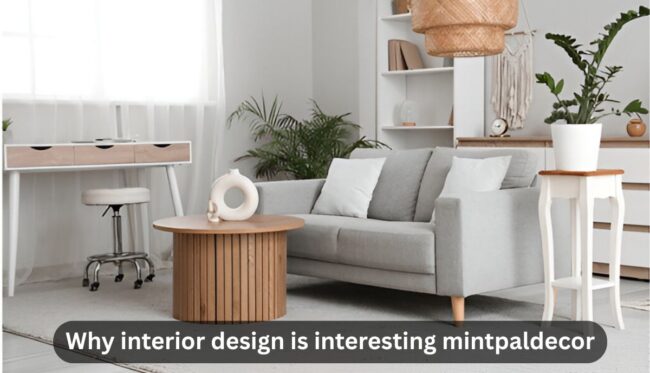
Interior design is interesting because it combines visual creativity with real-life challenges. Designers work with color, furniture, light, materials, scale, movement, accessibility, and personal preferences to make interiors more attractive and functional.
Since every property and occupant has different needs, no two design problems have exactly the same solution. That combination of creativity, planning, and continuous problem-solving makes interior design a varied and rewarding field.
Interior Design Quick Facts
| Topic | Explanation |
|---|---|
| Main purpose | To improve how an interior looks, feels, and functions |
| Creative elements | Color, form, texture, pattern, balance, and style |
| Technical elements | Measurements, layouts, lighting, materials, and budgeting |
| Human considerations | Comfort, movement, accessibility, privacy, and routines |
| Common project types | Homes, offices, stores, restaurants, hotels, and public spaces |
| Difference from decoration | Interior design considers function and planning, not appearance alone |
| Why it stays interesting | Every space, user, budget, and design challenge is different |
10 Reasons Interior Design Is So Interesting
1. It Combines Art With Practical Planning
Interior design allows people to be creative, but every creative choice must work within practical limits.
A designer may have a strong visual concept for a living room, but the room must still provide enough seating, clear walkways, useful storage, suitable lighting, and furniture that fits the available space. Budget, durability, maintenance, and household routines must also be considered.
This balance makes the process more complex than simply selecting attractive items.
For example, a large sectional sofa may look impressive in a showroom but overwhelm a small living room. A smaller sofa, two flexible chairs, and a properly scaled coffee table may create a better result because the room remains comfortable and easy to move through.
Interior design is therefore both expressive and analytical. It allows creative freedom, but successful choices must solve real problems.
2. Every Space Presents a Different Problem
No two interiors are completely identical.
One room may have low ceilings, while another may have excessive sunlight. Some homes have awkward corners, narrow entryways, limited storage, uneven walls, or open floor plans that are difficult to organize.
These conditions create design challenges that require customized solutions.
A small bedroom may benefit from wall-mounted storage and a bed with built-in drawers. A long, narrow living room may need separate seating zones rather than one central arrangement. A dark kitchen may require layered artificial lighting and lighter finishes rather than decorative accessories alone.
This problem-solving aspect is one of the main reasons interior design remains interesting. The same approach cannot simply be copied into every home. Designers must study the space, understand the user, and develop a solution that fits both.
3. It Changes How People Use a Room
A room may look attractive and still be difficult to use.
Interior design affects where people walk, sit, work, eat, store belongings, and interact with one another. Small layout decisions can change the complete experience of a space.
In a kitchen, for example, frequently used areas should be arranged in a way that supports food preparation and movement. In a living room, furniture should encourage conversation without blocking doors or windows. In a home office, the desk, task light, storage, and background should support concentration.
Design can also help a room serve more than one purpose.
A guest bedroom may include a compact desk so it can function as a home office. An open living area may include a rug and lighting arrangement that visually separates the dining space from the seating area.
Thoughtful planning makes a room easier to use without necessarily increasing its size.
4. Lighting Can Transform the Same Interior
Lighting can change the appearance and function of a room more dramatically than many decorative objects.
A successful lighting plan normally includes more than one source of light.
Ambient lighting provides general illumination.
Task lighting supports activities such as reading, cooking, or working.
Accent lighting draws attention to artwork, shelving, or architectural details.
Natural light also affects the way colors, textures, and materials appear throughout the day.
A living room with one bright ceiling fixture may feel flat and uncomfortable in the evening. Adding floor lamps, table lamps, and adjustable accent lighting can create a softer and more flexible environment.
Lighting decisions also involve practical concerns such as glare, shadows, brightness, placement, and energy use. This combination of technical and visual planning makes lighting one of the most engaging areas of interior design.
5. Color and Materials Shape the Experience
Color and materials influence how an interior is perceived.
Lighter finishes may make a room appear more open, while darker finishes can create a more enclosed or dramatic effect. Matte surfaces absorb more light, while glossy materials reflect it. Soft fabrics can make a room feel comfortable, while stone, metal, and glass may create a sharper or more formal appearance.
However, color choices should not be treated as universal emotional formulas. People respond differently depending on personal preference, culture, lighting, room size, and the combination of colors used.
Material selection also involves practical questions:
- Is it durable enough for daily use?
- Is it easy to clean?
- Will it fade in direct sunlight?
- Is it suitable for children or pets?
- Does it require expensive maintenance?
- Will it still work if the room is updated later?
This mix of visual effect and material performance gives designers many factors to consider.
6. It Gives People a Way to Express Themselves
A home can reflect the people who live there.
Interior design allows homeowners and renters to express their personalities, interests, cultures, memories, and priorities. Personal expression may appear through art, family photographs, travel objects, inherited furniture, favorite colors, handmade pieces, or collections.
A successful home does not need to look like a showroom.
In fact, a room often becomes more meaningful when it includes items that have personal value. The challenge is arranging those items in a way that feels intentional rather than cluttered.
For example, a collection of framed travel photographs may create a stronger focal point when displayed together instead of being scattered throughout several rooms.
Interior design helps transform personal belongings into a visual story. This emotional and individual side of the field makes every project unique.
7. It Balances Beauty With Function
A beautiful room is not automatically a successful room.
A sofa may look stylish but feel uncomfortable. A kitchen may have expensive finishes but insufficient storage. A dining room may include a large table that makes it difficult to pull out the chairs. Decorative lighting may look impressive while creating glare or leaving work surfaces too dark.
Good interior design balances appearance with usability.
Before making a choice, it helps to ask:
- Who will use this item?
- How often will it be used?
- Is it comfortable?
- Does it fit the room?
- Is it easy to maintain?
- Does it block movement?
- Will it continue to meet the household’s needs?
A room should support daily life, not make it more difficult. The need to balance visual appeal with practical performance creates some of the most interesting design decisions.
8. Accessibility Creates Better Design Challenges
Interior design becomes more thoughtful when it considers people with different physical needs, ages, and abilities.
Accessible planning may include:
- Clear movement paths
- Suitable furniture spacing
- Reachable storage
- Lever-style handles
- Safe flooring
- Improved lighting contrast
- Seating at useful heights
- Flexible bathroom layouts
These features can support people with mobility limitations, visual differences, temporary injuries, or age-related needs.
Accessibility can also make a home more adaptable over time. A wider walkway may benefit a wheelchair user, but it can also help parents with strollers, people carrying groceries, or someone recovering from surgery.
The goal is not to make every home look clinical. Accessibility can be integrated into attractive interiors through thoughtful planning, appropriate materials, and well-designed fixtures.
9. Sustainability Encourages Smarter Decisions
Sustainable interior design is not only about buying products labeled as environmentally friendly.
It also involves reducing waste, selecting durable materials, reusing existing pieces, improving energy efficiency, and avoiding short-lived trends that require frequent replacement.
Practical sustainable choices may include:
- Reupholstering a strong furniture frame
- Buying quality pieces that can be repaired
- Using efficient lighting
- Selecting finishes suitable for long-term use
- Reusing cabinets or shelving
- Choosing timeless layouts
- Planning accurately to reduce material waste
A product should be evaluated by more than its appearance. Its lifespan, sourcing, maintenance needs, repairability, and disposal should also be considered.
This adds another layer of research and responsibility to the design process.
10. Technology Keeps Interior Design Evolving
Technology has changed how interiors are planned, presented, and used.
Digital tools allow designers and homeowners to:
- Create mood boards
- Test color combinations
- Build 3D room models
- Compare furniture sizes
- Preview layouts
- Organize project budgets
- Visualize materials before buying
Technology also appears inside the home through smart lighting, automated shades, voice-controlled devices, energy monitoring, hidden charging areas, and improved cable management.
The challenge is deciding which technology provides real value.
Not every room needs the latest device. A successful design should make technology easy to use without allowing screens, wires, or equipment to dominate the interior.
Because tools and household needs continue to change, technology keeps interior design fresh and constantly developing.
Is Interior Design Art or Science?
Interior design includes both art and science.
The artistic side shapes the appearance, character, and visual story of a room. The technical side ensures that the room is functional, safe, properly measured, and suitable for the people using it.
The Creative Side of Interior Design
Creativity appears through:
- Color combinations
- Furniture composition
- Texture
- Pattern
- Balance
- Contrast
- Focal points
- Personal style
Designers use these elements to create a clear visual direction.
For example, a room may feel calm and connected when the same colors and materials are repeated in controlled amounts. A strong focal point, such as artwork or a fireplace, can organize the rest of the furniture arrangement.
Creativity also helps designers develop original solutions instead of copying a trend exactly.
The Technical Side of Interior Design
Technical planning includes:
- Accurate measurements
- Furniture clearances
- Floor plans
- Lighting placement
- Material performance
- Storage requirements
- Project budgeting
- Building and safety considerations
- Coordination with contractors
A visually appealing concept can fail if measurements are incorrect or materials are unsuitable.
The combination of creativity and technical responsibility is one of the strongest reasons interior design is more complex than surface decoration.
Interior Design vs. Interior Decoration
Interior design and interior decoration are often used interchangeably, but they do not always mean the same thing.
| Interior Design | Interior Decoration |
|---|---|
| Includes space planning and function | Focuses mainly on visual styling |
| Considers movement and room use | Selects colors, furniture, and accessories |
| May involve technical drawings | Usually works with the existing layout |
| Reviews lighting and material performance | Focuses more on finishes and furnishings |
| May coordinate with contractors | Usually avoids structural changes |
| Considers long-term usability | Often focuses on refreshing appearance |
An interior decorator may improve a room through paint, fabrics, accessories, artwork, rugs, and furniture.
An interior designer may also study circulation, storage, lighting, accessibility, room planning, and how different building elements work together.
Both can improve a space, but interior design normally covers a broader range of practical and technical decisions.
Why Interior Design Matters in American Homes
American homes vary significantly in age, size, layout, climate, and household structure. Interior design helps adapt these different properties to modern routines.
Smaller and Multi-Purpose Spaces
Apartments, condominiums, and smaller houses require efficient use of space.
A single room may need to function as:
- A living room
- A dining area
- A study space
- A guest area
- A play zone
Flexible furniture, vertical storage, folding pieces, and clearly defined zones can help one space support several activities.
The goal is not to fill every available area. It is to make the room work efficiently without making it feel crowded.
Work-From-Home Needs
Many homes now include at least one area used for remote work, study, or online meetings.
A practical workspace may require:
- Suitable task lighting
- Comfortable seating
- Cable management
- Accessible storage
- A visually calm background
- Separation from noisy household areas
Even when a separate office is unavailable, a small desk in a bedroom, dining area, or hallway can work when it is planned carefully.
Changing and Multigenerational Households
Some homes need to support children, adults, older relatives, or guests at different stages of life.
Flexible design may include:
- Adaptable bedrooms
- Additional privacy
- Reachable storage
- Clear walkways
- Safer bathrooms
- Furniture that can be moved easily
A room designed for one purpose today may need to serve another purpose later. Planning for change can reduce the need for expensive renovation.
Regional Climate Differences
Interior choices should respond to local climate.
Homes in warmer regions may need:
- Sun control
- Heat-resistant materials
- Lighter window treatments
- Strong ventilation
Homes in colder or snowy regions may need:
- Durable entryway flooring
- Coat and boot storage
- Heavier window treatments
- Warm layered materials
Humidity, daylight, seasonal temperature changes, and local lifestyles can all influence interior planning.
Practical Interior Design Problem-Solving Examples
The following examples are hypothetical and show how design decisions may solve common household problems.
Making a Small Living Room Feel More Open
Problem: The room feels crowded and difficult to move through.
Design approach:
- Replace oversized furniture with properly scaled pieces.
- Keep major walkways clear.
- Use wall-mounted storage.
- Select furniture with visible legs.
- Limit unnecessary side tables.
- Use one strong focal point.
Practical result: The room may feel more open because less floor area is visually blocked and movement becomes easier.
Improving a Dark Kitchen
Problem: The kitchen remains dim even during the day.
Design approach:
- Add under-cabinet task lighting.
- Use lighter wall or cabinet finishes.
- Select a backsplash that reflects some light.
- Avoid blocking windows.
- Add focused lighting above work areas.
- Use glass-front cabinets selectively.
Practical result: The kitchen becomes easier to use because preparation surfaces receive better light.
Creating a Home Office in a Shared Room
Problem: There is no separate room available for work.
Design approach:
- Use a compact desk.
- Add storage above the work surface.
- Include a dedicated task light.
- Hide cables.
- Use a curtain, shelving unit, or screen for visual separation.
- Choose a chair that can be stored neatly.
Practical result: A defined workspace is created without permanently changing the complete room.
Making an Entryway More Functional
Problem: Shoes, bags, and keys create clutter near the door.
Design approach:
- Add wall hooks.
- Include closed shoe storage.
- Use a narrow bench.
- Create a tray for keys and small items.
- Select durable flooring or a washable rug.
- Improve lighting near the entrance.
Practical result: Frequently used items have assigned places, making the entry easier to maintain.
What Makes Interior Design Difficult?
Interior design is interesting partly because it is not always easy.
Common challenges include:
Limited Budgets
The ideal solution may not fit the available budget. Designers must prioritize the changes that create the greatest practical effect.
Conflicting Preferences
People sharing a home may prefer different colors, styles, or furniture arrangements. The final design must often balance several opinions.
Existing Architecture
Walls, windows, doors, plumbing, and electrical points may limit what can be changed.
Incorrect Measurements
A small measurement error can lead to furniture that does not fit or curtains that hang incorrectly.
Product Availability
A material or furniture item may be discontinued, delayed, or unavailable in the required size.
Maintenance
A finish may look attractive but require more cleaning or care than the household can realistically provide.
Trend Pressure
Popular designs can quickly feel dated. A room should reflect the user’s needs rather than following every trend.
These challenges require judgment, flexibility, communication, and careful planning.
Common Interior Design Mistakes
Buying Furniture Before Measuring
Furniture may look smaller in a large showroom than it will inside a home.
Better approach: Measure the room, doors, windows, and walkways before purchasing.
Using Only One Ceiling Light
One overhead fixture often creates flat illumination and dark corners.
Better approach: Combine ambient, task, and accent lighting.
Blocking Windows or Walkways
Furniture placed in the wrong position may reduce light and make movement difficult.
Better approach: Protect major circulation routes and avoid covering important windows.
Ignoring Storage
A room may look organized when newly decorated but become cluttered if daily items have no storage.
Better approach: Plan storage based on what the household actually uses.
Following Trends Without Considering Lifestyle
A popular design may not suit children, pets, maintenance habits, or available space.
Better approach: Use trends selectively and prioritize long-term usability.
Creating Too Many Focal Points
Several bold colors, patterns, artworks, and feature walls can compete for attention.
Better approach: Select one main focal point and allow other elements to support it.
Choosing Appearance Over Comfort
A room may photograph well but feel uncomfortable.
Better approach: Test seating, consider maintenance, and evaluate daily use before buying.
Copying a Room Without Adapting It
A design from another home may not work with different dimensions, lighting, or routines.
Better approach: Use inspiration as a starting point, then adapt it to the actual space.
How Beginners Can Explore Interior Design
Observe Your Daily Routine
Begin by studying how your home currently functions.
Ask:
- Where does clutter collect?
- Which room is difficult to move through?
- Where is more light needed?
- Which furniture is rarely used?
- Which activities lack a proper place?
- What requires frequent cleaning?
These observations reveal practical design priorities.
Learn the Basic Design Elements
Beginners should become familiar with:
- Space
- Line
- Form
- Light
- Color
- Texture
- Pattern
Understanding these elements makes it easier to evaluate why a room feels balanced, crowded, empty, dark, or disconnected.
Measure the Room Carefully
Record:
- Wall lengths
- Ceiling height
- Door sizes
- Door swings
- Window locations
- Electrical outlets
- Existing furniture dimensions
- Clear walking routes
Accurate measurements prevent expensive mistakes.
Create a Mood Board
A mood board can include:
- Colors
- Furniture shapes
- Materials
- Lighting
- Fabrics
- Reference rooms
- Artwork
The purpose is to create a consistent direction before purchasing items.
Test Changes in One Room First
A complete home redesign can become expensive and overwhelming.
Start with one room or even one problem, such as lighting, storage, or furniture placement. Evaluate the result before applying the same approach elsewhere.
What Is MintPalDecor?
MintPalDecor is a separate home decor and interior-design content brand associated with online articles about decoration, design ideas, room planning, and related home topics.
The search phrase “why interior design is interesting MintPalDecor” appears to be connected with content published around that brand. This MyFlashyHome guide independently answers the broader question of why interior design is interesting and does not represent an official partnership, endorsement, or affiliation with MintPalDecor.
Readers should evaluate advice from any design website according to its originality, sources, practicality, and relevance to their own homes.
Frequently Asked Questions
Why is interior design interesting?
Interior design is interesting because it combines creativity with practical problem-solving. Designers work with color, light, furniture, materials, measurements, movement, accessibility, and personal preferences to create interiors that look attractive and function effectively.
Is interior design only about decoration?
No. Decoration focuses mainly on visual elements such as colors, accessories, fabrics, and furnishings. Interior design also considers space planning, circulation, lighting, storage, materials, safety, accessibility, and how people use a room.
Is interior design an art or a science?
Interior design includes both. The artistic side involves color, form, texture, balance, and visual expression. The technical side includes measurements, layouts, lighting, materials, budgeting, safety, and planning.
Why does interior design matter in everyday life?
Interior design can make rooms easier to use by improving furniture placement, storage, lighting, privacy, movement, and comfort. Thoughtful planning helps a home support everyday activities more efficiently.
What skills do interior designers use?
Interior designers use creativity, observation, communication, measurement, planning, budgeting, material knowledge, visual presentation, problem-solving, and project coordination.
Can beginners learn interior design?
Yes. Beginners can start by studying their own rooms, learning basic design elements, measuring carefully, creating mood boards, and making small changes. Practical experience and careful observation are important parts of learning.
What is the difference between an interior designer and a decorator?
An interior designer normally works with space planning, function, materials, lighting, and technical considerations. A decorator generally focuses on styling an existing room through furniture, colors, fabrics, artwork, and accessories.
Does interior design increase property value?
Thoughtful improvements may increase buyer appeal or make a home easier to use. However, no single design choice guarantees a specific increase in market value. Location, condition, market demand, and renovation quality also matter.
Is interior design expensive?
Interior design can be adapted to different budgets. Low-cost improvements may include rearranging furniture, improving lighting, repainting, reducing clutter, or reusing existing items. Larger projects involving custom furniture, construction, or premium materials cost more.
What is MintPalDecor?
MintPalDecor is a separate online brand that publishes content about home decor and interior design. MyFlashyHome is not presented as affiliated with or endorsed by that brand.
Final Thoughts
Interior design is interesting because it brings together creativity, function, technical planning, and human experience. Each room creates a different challenge involving layout, light, furniture, materials, storage, comfort, and personal style.
The strongest interiors are not simply fashionable. They support the people who use them, respond to the architecture, and remain practical over time.
Whether someone is planning a professional career or improving a single room, interior design offers continuous opportunities to observe, experiment, solve problems, and create spaces that feel more useful and personal.