
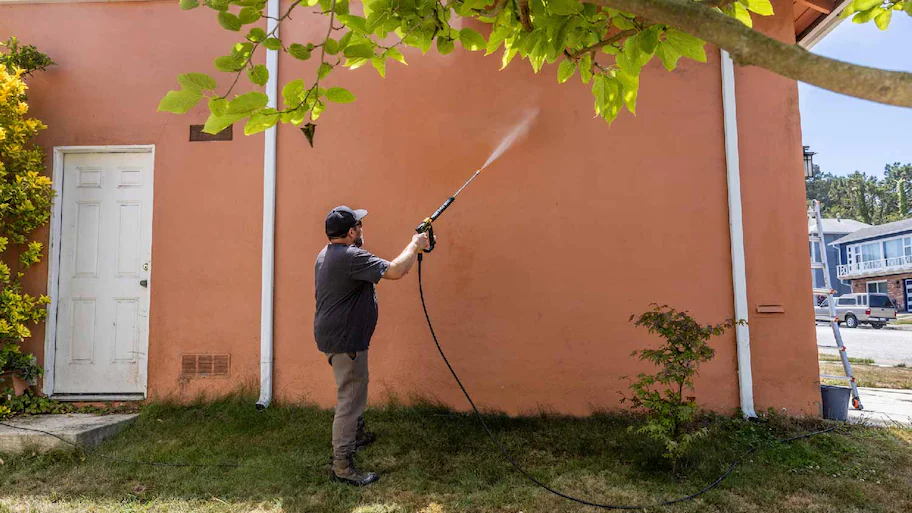
Summer in coastal Florida can feel like a constant cycle: bright afternoon heat, then heavy afternoon thunderstorms, then humidity that lingers well into the evening. During this pattern, your home’s exterior takes a real beating—especially surfaces that stay damp or shaded. If you’ve noticed your driveway turning dark, algae growing on sidewalks, or your siding looking dull after repeated storms, this is exactly why.
One common homeowner response is to call Fort Pierce local pressure washing services, especially after a particularly wet stretch leaves outdoor areas looking stained or feeling slippery.
Why thunderstorms change what you see outside
Thunderstorms don’t just bring rain—they bring moisture that can soak into outdoor materials and create the perfect conditions for organic buildup.
After rain, you often get:
- Moisture trapped on surfaces (porous materials like concrete and wood hold water longer)
- Organic debris washing onto exteriors (from landscaping, trees, and roof runoff)
- Humidity staying high long after the storm passes, which supports mildew/algae growth
Health and safety experts consistently emphasize that controlling moisture is the key to preventing mold growth. The CDC notes that mold grows when spores land on damp or wet surfaces. While your outdoor problem may be algae and mildew on surfaces (not indoor mold), the “moisture fuels growth” principle still applies.
How repeated rain affects key exterior areas
1) Siding and stucco: discoloration and streaks
Coastal humidity and salt air can accelerate buildup on siding, including algae, mildew, and airborne particles. Over time, homeowners may see green or dark discoloration along stucco walls and other exterior surfaces—especially in shaded areas.
2) Driveways and sidewalks: dark stains and slick spots
Concrete and walkway surfaces can develop dark streaks after storm cycles due to algae growth, tire residue, and grime settling into the porous surface. This buildup can also make surfaces feel slick after rainfall—one reason many homeowners look for Fort Pierce local pressure washing services to restore both appearance and traction.
3) Patios, pavers, and pool deck areas: joint grime builds up
Pavers and textured outdoor surfaces collect dirt and organic material, and rain pushes debris into the joints. That’s where discoloration often spreads. Professional cleaning focuses on both the paver tops and the joints so the surface looks even again.
4) Decks: mildew and slippery buildup
Wood and composite decks stay exposed to moisture and shade, so they can develop dark staining and slippery organic growth. Deck cleaning requires careful pressure control to avoid damaging the material while removing mildew and algae.
5) Drainage and runoff: more dirt where water goes
When storms repeat, runoff concentrates grime in specific areas—near downspouts, along walkways, and at low spots in landscaping. Even if water “moves,” wet conditions can keep grime active and allow buildup to regrow quickly.
A helpful maintenance option after a storm-heavy month
Pressure washing is often used after a wet summer stretch because it can lift embedded dirt and organic residue from outdoor surfaces. Done correctly, it’s one way to refresh your exterior and reduce the look of streaks and stains before they become harder to remove. If you’re planning maintenance after afternoon thunderstorms, consider how different surfaces respond—concrete may handle stronger cleaning, while stucco and painted areas generally need a more controlled approach.