
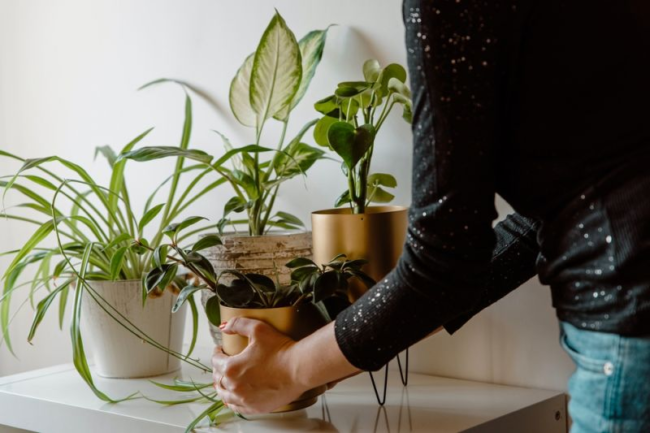
Bringing Nature Indoors, Whatever the Light
There is something deeply satisfying about filling a home with living greenery — even when natural light is hard to come by. North-facing apartments, windowless offices, and shadowy hallways all present genuine challenges for plant lovers, yet the desire to cultivate indoor gardens in these spaces keeps growing. The benefits go beyond aesthetics: indoor plants purify air by filtering common household pollutants and offer real stress reduction, a finding backed by environmental psychology research. The encouraging news is that many plants have evolved specifically to flourish in shaded conditions, and exploring low light indoor plants reveals just how many reliable, beginner-friendly varieties are well suited to dimly lit interiors. With the right approach, virtually any space can support thriving greenery.
Understanding Light Conditions in Indoor Spaces
Low light means indirect or ambient illumination — typically found 4 to 12 feet from a window, or under standard fluorescent office lighting. It’s a meaningfully different condition from bright indirect light (the kind found just beside a shaded window) or direct sun (unobstructed rays falling straight onto leaves). Dim areas like hallways, bathrooms, and basements stand to gain enormously from plants, which soften hard surfaces and improve perceived air quality.
To gauge your space, hold your hand above a white surface and observe the shadow it casts. Faint, diffused shadows point to low light; sharp, dark ones indicate brighter conditions. Smartphone lux-meter apps can also provide a reliable reading if you want something more precise.
Signs your space suits low-light varieties:
– No harsh shadows form during daylight hours
– Room illumination feels even and ambient rather than directional
– Windows are small, frosted, or partially obstructed
– Artificial lighting is the primary light source for most of the day
Essential Care Principles for Shade-Tolerant Greenery
Watering Strategies to Prevent Common Pitfalls
Plants in low light photosynthesize more slowly, which means they take up water at a reduced rate. Always check the top 1–2 inches of soil before reaching for the watering can; if it still feels moist, hold off. Overwatering remains the leading cause of houseplant decline and tends to show up as yellowing leaves, mushy stems, or mold on the soil surface. A useful mindset shift: treat each watering as a deliberate check-in rather than a scheduled task. Many growers find that moving away from calendar-based watering — and toward reading the soil instead — transforms struggling plants into healthy ones within just a few weeks.
Key Takeaway: Water only when the soil is noticeably dry. In shaded conditions, that will be far less often than you might expect.
Soil and Potting Best Practices
Choose a well-draining soil mix formulated for houseplants, ideally amended with perlite for added aeration. Garden soil compacts easily in containers and holds onto excess moisture, creating ideal conditions for root rot. In low-light environments where soil dries out slowly, good drainage isn’t optional — it’s essential for root health.
Nutrition and Feeding Guidelines
Shade-tolerant plants grow at a measured pace, so their nutritional needs are modest. A balanced liquid fertilizer applied occasionally during active growth periods is plenty. Resist the urge to overfeed; excess nutrients cause salt buildup and leaf burn, which typically appear as brown leaf tips and a crusty residue on the soil surface.
Optimizing Growth in Limited Light
Making the most of whatever light your plants do receive can have a surprisingly meaningful impact. Dust accumulates on leaves over time and gradually blocks photosynthesis, so wiping foliage gently with a damp cloth is one of the simplest and most effective maintenance habits you can develop.
Quick maintenance tips for busy plant owners:
– Rotate pots a quarter turn every few weeks to encourage even, balanced growth
– Periodically move plants closer to a window for a brief light boost
– Open blinds fully during daylight hours to maximize ambient brightness
– Trim any foliage that’s shading the leaves below it
Addressing Challenges and Revival Techniques
Troubleshooting Yellowing and Leggy Growth
Yellow leaves on low-light plants often point to insufficient light rather than overwatering — it’s worth assessing both before taking action. Moving the plant incrementally closer to a light source usually produces noticeable improvement within two to three weeks. Leggy, elongated stems are a sign the plant is reaching toward light; regular rotation combined with gentle trimming encourages bushier, more compact growth over time.
Managing Pests in Humid, Low-Light Environments
Shaded, humid conditions can attract spider mites and fungus gnats. Make a habit of inspecting leaf undersides and soil surfaces regularly. Prevention doesn’t require chemicals: improve airflow around plants, avoid letting soil stay waterlogged, and quarantine any new arrivals for two weeks before placing them near established plants. Spider mites leave behind fine webbing and cause speckled leaf discoloration — catching them early prevents a much larger problem down the line.
Supplementing with Artificial Light
In very dim spaces, grow lights offer a practical and effective solution. Position them 6 to 12 inches above the foliage and run them for 12 to 16 hours daily for consistent results.
| Factor | Natural Light | Artificial Grow Lights |
| Cost | Free | Initial equipment investment |
| Consistency | Seasonal variation | Fully controllable year-round |
| Plant response | Highly effective | Effective with correct spectrum |
| Setup effort | None | Requires positioning and timer |
Building a Sustainable Indoor Plant Routine
Starting with one or two adaptable varieties builds confidence without demanding too much commitment upfront. Over time, developing seasonal habits — watering less in winter, adjusting plant positions as sun angles shift — creates a reliable and low-effort rhythm. Grouping plants together raises local humidity through transpiration, which benefits moisture-loving species in particular. Plant science consistently shows that shade-tolerant species have adapted chlorophyll structures capable of capturing diffuse light efficiently, meaning even modest care can yield lasting results.
A Green Space Worth Cultivating
Success with indoor plants in dim spaces comes down to three consistent principles: appropriate watering, routine maintenance, and thoughtful light optimization. Beyond the practical, there’s genuine satisfaction in watching a plant recover and put out new growth in a corner that once felt lifeless. Start with one small adjustment this week — a soil check before watering, a quick leaf wipe, or a slight repositioning — and pay attention to what changes over the weeks that follow.