
If you’re a homeowner in coastal North Carolina, you already know that August can feel like “the weather is doing whatever it wants.” In many areas, the Atlantic hurricane season also tends to hit its most active stretch around August–September–October, with September 10 often described as a climatological peak date.
So the real question isn’t just “Should I start improvements?” It’s “Should I finish key improvements before hurricane season peaks?”
In this guide, we’ll break down:
- Why timing matters for storm risk, contractor availability, and safety
- What outdoor projects you can prioritize in August (and which ones to delay)
- How to handle the “temporary exposure” problem when parts of your home are left open
- Where window cleaning fits in—especially if you want cosmetic results without increasing risk
- Practical checklists you can follow, even if you’re not a “DIY person”
And early in this article, we’ll mention local window cleaning company in Wilmington because exterior finishing touches—done safely—can be planned around larger maintenance work.
Quick Answer: Should You Finish Before Peak Hurricane Months?
For projects that reduce water problems, improve drainage, protect the roof, or lower the chance of damage—yes, it’s usually smart to finish earlier.
For purely cosmetic tasks that don’t affect structural safety or waterproofing, you can sometimes schedule them later, but you still need a plan for weather interruptions.
A helpful way to decide is to categorize your project:
- High priority before peak season: anything that affects water management or the “envelope” of your home (roofing, gutters, drainage, seals, siding work that changes weather protection).
- Mid priority: exterior painting or caulking if it requires prepping surfaces and leaving them exposed.
- Lower priority / flexible: tasks that don’t compromise waterproofing (like many cosmetic exterior cleanups, or window finishing—done right).
The goal is simple: avoid being in the middle of a weather-sensitive project when a storm window opens.
Why August Timing Is Tricky (Even If You Plan Ahead)
In Wilmington and nearby coastal areas, August typically brings:
- Hot, humid conditions
- Higher chances of heavy rain or storm impacts
- Longer drying times for exterior work
- More contractor demand
But weather isn’t the only factor. Home improvement timing also depends on how contractors schedule jobs during high-demand periods.
1) The hurricane “peak” window is real
NOAA’s climatology and hurricane season summaries emphasize that a large share of Atlantic hurricane activity occurs during August–October, and the “peak” timing often lands in September.
That means if you begin a project that leaves your home partially exposed (or leaves water pathways open), your timeline may collide with storm risk.
2) Contractors get booked—then weather delays domino
Even when professionals plan well, storm systems can interrupt access, materials delivery, and “safe working conditions.” If your project depends on multiple steps (prep → install → cure/dry → inspection), delays can push later stages into the most inconvenient weather window.
3) Humidity and rain can affect materials and cleanliness
After heavy rain or flooding conditions, moisture problems are a big concern—not just for damage, but also for indoor air quality issues. CDC guidance around severe weather events emphasizes that homeowners should avoid re-occupying or leaving moisture unresolved, and that mold risk depends heavily on moisture that persists after water events.
Even if your home never floods, rain-driven delays can still cause “moisture creep”—especially if work is done when surfaces can’t dry properly.
The Most Overlooked Reason to Finish Earlier: “Temporary Exposure”
A lot of projects don’t create damage permanently—but they can create risk during the work.
Here’s what “temporary exposure” means in everyday homeowner terms:
- You remove or disturb weatherproofing (old sealant, flashing, damaged caulk, sections of trim)
- You open up areas for inspection or replacement
- You wait for new materials to be installed
- You depend on weather cooperating long enough for curing/drying
If a storm hits before the final waterproofing step is done, wind-driven rain can get where it shouldn’t.
A practical example
Let’s say you schedule exterior repairs that require:
- removing damaged sections,
- then installing new materials,
- then sealing/caulking,
- then letting everything set properly.
If the project timeline shifts, the “open” period can stretch longer than you expected.
That’s why finishing before the hurricane peak (or at least finishing waterproofing-critical stages) is usually the safer move.
How to Prioritize Outdoor Projects in August (A Simple System)
Use the system below to plan what gets done now versus what can wait.
Step 1: Split projects into categories
A. Waterproofing & drainage
- Gutters and downspouts (clogged flow paths become storm problems)
- Roof-related repairs or inspections
- Sealing around penetrations or edges
- Drainage improvements and clearing water routes
B. Structural or near-structural exterior work
- Anything that involves siding/trim replacement where weatherproofing layers are disturbed
C. Cosmetic exterior maintenance
- Exterior cleaning tasks
- Painting touch-ups that don’t require prolonged exposure
- Window-related finishing tasks
Step 2: Rank by “exposure risk”
Ask: “During this project, could water get into my home more easily than it normally would?”
- If yes → prioritize earlier
- If no / minimal → more flexible
- If “not sure” → assume exposure risk and plan conservatively
Step 3: Build a weather buffer
Instead of planning for “finish on Friday,” plan for:
- “finish waterproofing before the storm window”
- “avoid leaving open surfaces overnight when possible”
- “schedule final sealing steps earlier, and only then schedule cosmetic finishing”
This is especially important in August–September–October when hurricane activity is statistically higher.
Loose Outdoor Items: Why Small Things Matter
A strong storm doesn’t just bring wind—it brings projectiles.
Many preparedness guides stress securing or removing loose outdoor items like:
- trash bins,
- patio furniture,
- umbrellas,
- outdoor decorations,
- temporary equipment,
- and anything light enough to become airborne.
You’ll see this reflected in preparedness checklists emphasizing securing loose items outside homes.
While planning August improvements:
- Make sure your outdoor work doesn’t “leave stuff out” longer than necessary.
- If a contractor needs access, discuss how quickly materials will be stored securely after the workday.
- Don’t let tarps become “temporary storage” for long periods.
Drainage & Water Paths: The Hidden Hurricane Damage Multiplier
When people think about hurricanes, they think about wind. But flooding and water intrusion often cause longer-term problems.
If water can’t move away correctly—through gutters, downspouts, and drainage routes—storms can worsen:
- soil saturation around foundations,
- overflow onto decks/porches,
- and water infiltration risk.
So before major storms peak, prioritize:
- clearing and correcting water flow paths,
- ensuring gutters and drainage points aren’t blocked,
- and resolving known leaks or weak seams that allow water entry.
Even the U.S. EPA emphasizes planning and preparation before hurricane season starts or when storms are predicted.
What About Projects That Involve Cleaning and Cosmetics?
This is where many homeowners get stuck: “I want the house to look good, but I also don’t want to cause problems or delay critical work.”
A smart approach is:
- Do weather-critical improvements first (or schedule the “final sealed stage” earlier).
- Then do cosmetic finishing tasks that don’t affect waterproofing.
Where window cleaning fits (and why it can be safely scheduled)
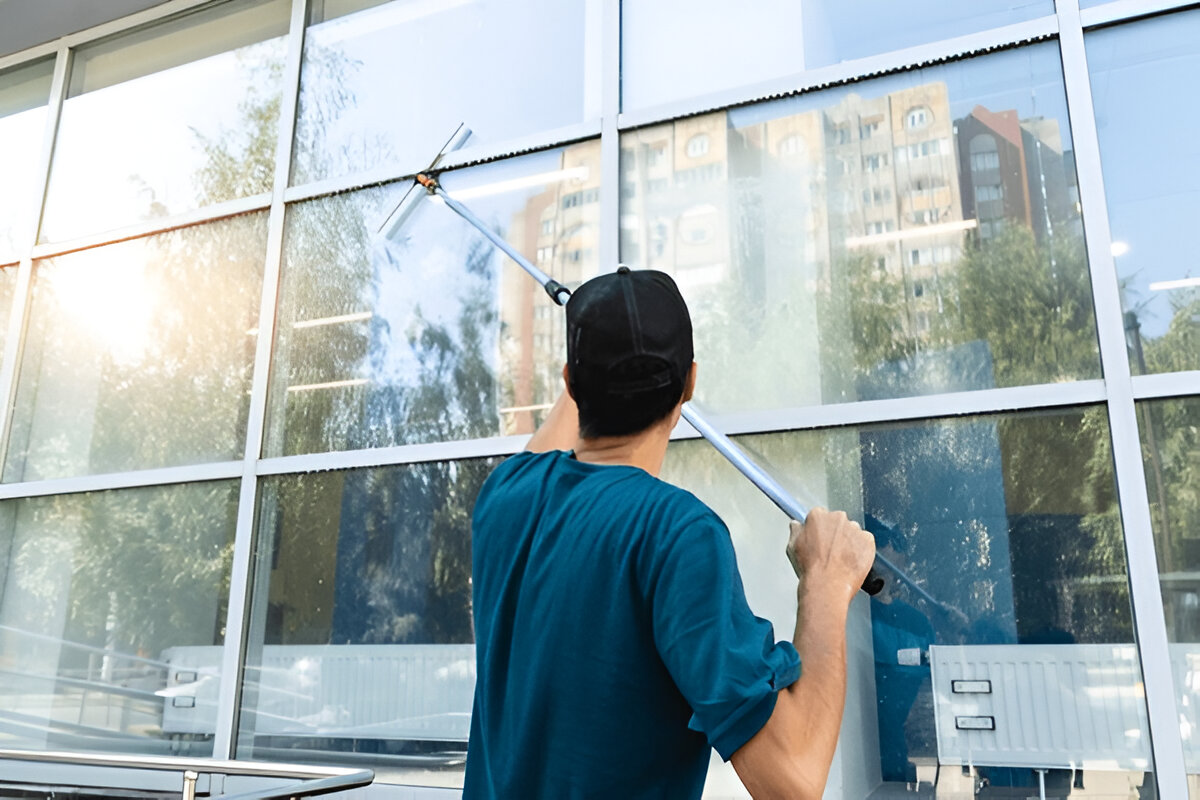
If you’re thinking about visible exterior improvement, window cleaning is a good example of a task that can be part of your “finish the look” plan—especially when you’re already working on the exterior.
On the Wilmington window cleaning page provided, the company explains that professional window cleaning aims to remove not only surface residue but also mineral deposits and environmental buildup that can cause spots and haze in a coastal climate.
This matters during hurricane season because coastal air and frequent humidity can affect what you see on glass over time.
That’s why a local window cleaning company in Wilmington can be a practical finishing step once larger work is handled, helping your windows look clear and bright without impacting structural waterproofing.
“Should I Do Window Cleaning Before or After Big Work?”
In most cases, you should decide based on what the larger work will do to your exterior:
Clean windows before larger exterior work if:
- you’re not expecting heavy dust/debris from other projects,
- your windows are already dirty from seasonal pollen,
- you want a “baseline” clarity to see how your exterior looks.
Clean windows after larger exterior work if:
- sanding, pressure washing, or roof repairs can create residue on nearby glass,
- paint or sealant overspray could happen,
- you want the final “shiny finish” when construction dust is gone.
A professional window cleaning service can also help ensure glass dries spot-free, which is especially noticeable in bright coastal sunlight.
A Month-by-Month Mindset for Coastal Homeowners
Even if your calendar plans aren’t perfect, a seasonal mindset helps.
Early-to-mid August: “Finish the critical stuff”
- Prioritize waterproofing, drainage, and anything that prevents water from getting into trouble zones.
- Schedule tasks that end with sealing/cure/dry times completed before storm risk peaks.
Late August: “Lock in the protected finish”
- Avoid starting new projects that require leaving open or exposed areas.
- If cosmetic work is planned, choose jobs that don’t compromise your weather barrier.
September: “Minimize exposure; focus on readiness”
- If work can’t be finished early, shift toward tasks that can be safely completed without leaving vulnerable areas exposed.
- Make sure outdoor items are secured.
- Keep routes around your home clear so you can respond quickly if conditions change.
This aligns with NOAA’s guidance that peak months are in the late August through October window, with the season climatologically peaking in September.
Professional Window Cleaning as Part of Your “Exterior Readiness” Plan
Let’s bring it back to homeowners who want both safety and curb appeal.
Based on the Wilmington window cleaning content you provided, the service emphasizes:
- clear, spot-free results,
- removing mineral deposits and environmental buildup,
- using purified water with low mineral content to reduce residue as windows dry,
- and cleaning not just glass, but also screens and tracks when needed.
Why that matters in August storms and coastal weather
Even routine coastal exposure can lead to:
- spotting and haze,
- residue buildup that returns quickly if not cleaned thoroughly,
- and visual dullness even when you “think” the windows are clean.
A professional approach can help you avoid re-cleaning repeatedly during a busy summer.
And when you’re planning the rest of your exterior, it’s reassuring to know you can still complete cosmetic finishing touches while keeping your major work timeline protected.
Checklist: Should You Finish Home Improvements Before Peak Season?
Use this quick checklist to make your decision today.
Finish earlier if your project includes:
- Roof-related repair or any work that disturbs weatherproofing layers
- Any sealing step that must cure fully before a storm window
- Drainage or gutter work
- Siding/trim work where seams could be exposed to wind-driven rain
- Projects that require leaving parts open for more than a day
Be careful in August if your project includes:
- Tasks that create dust/residue that could land on fresh coatings or windows
- Projects that depend on long drying times in humid conditions
- Any work that could cause moisture problems if rain interrupts it
Consider scheduling after bigger maintenance if:
- It’s primarily cosmetic
- You want a final “bright finish” once the exterior work is done
- You’re coordinating around window visibility and natural light
Realistic Scenarios (So You Can Match Your Situation)
Scenario A: “We want to pressure wash and clean everything, but storms are coming.”
Pressure washing and exterior cleaning can be done strategically, but avoid scheduling in a way that leaves vulnerable areas exposed or creates residue you’ll have to redo.
A good workflow is:
- confirm weather window,
- handle the heavy maintenance first,
- finish with exterior cleaning and window clarity.
Scenario B: “We’re repairing a section of siding and need window clean-up.”
Start with the weather-critical repair and final sealing steps first. Then do exterior finishing—like glass cleaning—after the area is fully done. This reduces the chance you’ll “undo” work with construction dust.
Scenario C: “We only want curb appeal right now.”
If it’s purely cosmetic and doesn’t compromise weatherproofing, you may be able to do it safely. But still plan for humidity and sudden storms—August isn’t predictable.
Safety and Health Note: Don’t Ignore Moisture After Interruptions
Sometimes projects get interrupted by storms or heavy rain.
If water intrusion happens—even a small one—don’t treat it casually. CDC guidance around severe weather emphasizes that before returning and before addressing living spaces, it’s important to ensure everything is completely dry and to address moisture problems.
The reason this matters for planning is simple:
- If your home stays damp while construction is paused, the risk increases that you’ll deal with cleanup issues later—often when you least want to.
So if you’re halfway through an outdoor project and a storm wave is likely, prioritize:
- stopping and securing the work area,
- protecting exposed surfaces,
- and planning the next step only when it can be completed safely.
Conclusion: The Best Strategy Is “Finish Risky Stages First”
Should you finish home improvements before hurricane season peaks?
If your improvements reduce your exposure to wind-driven rain, water intrusion, and drainage problems, then yes—finish earlier is usually the smarter plan. NOAA data and hurricane climatology point to peak activity in the August–October window, with peak timing often in September.
At the same time, you don’t have to choose between safety and curb appeal.
A local window cleaning company in Wilmington can be a practical, finishing-step option once larger maintenance is handled—helping your windows stay clear, spot-free, and looking brighter in coastal conditions.