
One of the most common questions we get during driveway surveys is whether resin or block paving is the better choice.
The truth is that both can look fantastic when installed properly, but they perform quite differently over time. Block paving has been a popular choice for decades and remains one of the most common driveway surfaces across Swindon. Resin-bound driveways, however, have grown significantly in popularity over the last 10–15 years and are now a regular feature on both modern and traditional homes.
The best option for your property will depend on several factors, including your budget, maintenance expectations, drainage requirements and the overall look you’re trying to achieve.
Let’s take a closer look at how the two compare in real-world conditions.
How They’re Constructed
A Resin Driveways Swindon is created by mixing natural aggregate stone with a clear UV-stable resin. This mixture is then laid over a suitable base to create a smooth, seamless surface.
The finished surface is usually around 15–18mm thick and contains no separate sections or joints.
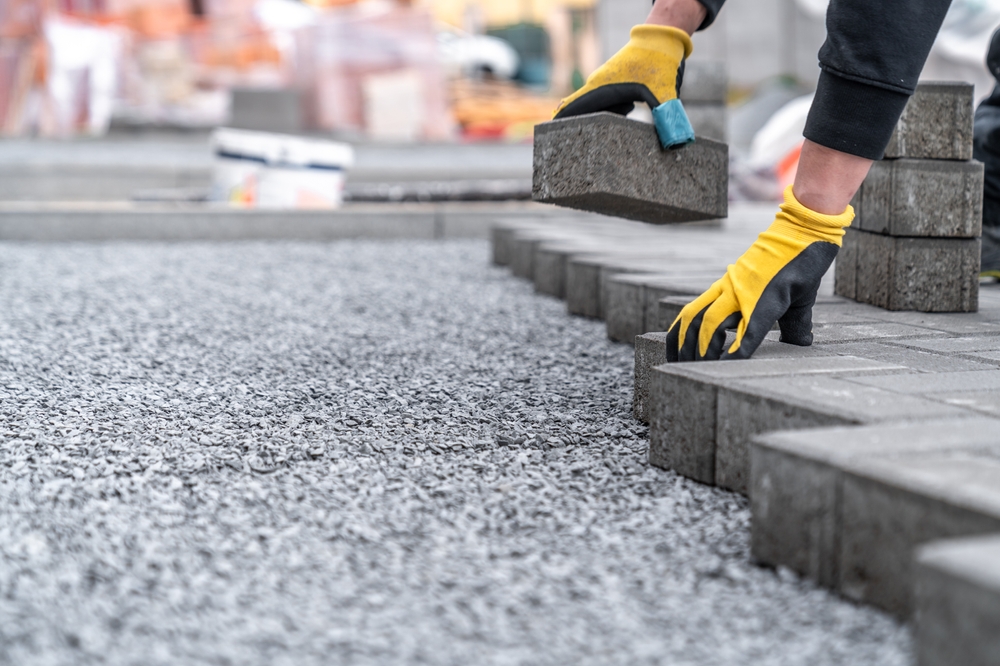
Block paving works differently. Individual concrete or clay blocks are laid on a bed of sharp sand over a compacted sub-base. The gaps between the blocks are then filled with kiln-dried jointing sand.
Whilst the blocks themselves are extremely durable, many of the long-term maintenance issues associated with block paving occur within these joints.
How They Perform on Swindon’s Clay Soil
This is where resin and block paving often begin to differ.
Much of the ground around Swindon contains clay-rich soil, which naturally expands and contracts as moisture levels change throughout the year.
Because block paving relies on thousands of individual blocks remaining level with one another, any movement beneath the surface can eventually lead to dips, uneven areas or slight rippling. This is particularly common along wheel tracks and driveway edges where the greatest pressure is applied.
A resin-bound driveway behaves differently. Because the surface is laid as one continuous layer, any minor movement is spread across the surface rather than affecting individual sections.
Provided the groundwork has been installed correctly, a quality resin driveway can remain smooth and level for 20 years or more with very little change in appearance.
What This Means in Everyday Use
Many older block-paved driveways begin to develop slight undulations over time. You may not notice them immediately, but when viewed from certain angles the surface can appear uneven.
Resin driveways tend to retain their flat, uniform finish for much longer because there are no individual blocks that can gradually move out of position.
For homeowners who value a clean, tidy appearance, this can be a significant advantage.
Maintenance Requirements
Maintenance is one of the biggest differences between the two surfaces.
With block paving, the joints between the blocks naturally collect dirt, moss and weed seeds over time. This is particularly common on shaded driveways or properties surrounded by trees.
To keep block paving looking its best, most homeowners will need to:
- Remove weeds periodically
- Re-sand joints as the sand gradually washes away
- Pressure wash the surface occasionally
- Consider sealing the driveway every few years
A resin-bound driveway requires far less ongoing maintenance.
Because the surface has no joints, weeds have very few places to establish themselves. Most resin driveways simply need an occasional sweep and the odd wash to keep them looking clean.
For many homeowners, the reduced maintenance is one of the main reasons they choose resin over block paving.
Appearance and Design Options
Block paving offers a huge range of colours, patterns and laying styles.
Popular options include:
- Herringbone
- Basketweave
- Stretcher bond
- Contrasting borders and edging
This makes block paving particularly suitable for traditional properties and period homes where a more classic appearance is desired.
Resin-bound surfacing has also become increasingly versatile.
Modern aggregate blends are available in a wide range of colours, including:
- Silver grey
- Charcoal
- Golden stone
- Buff and cream blends
- Mixed natural aggregates
Borders, decorative features and contrasting edges can also be incorporated into resin installations.
Overall, resin tends to create a cleaner, more contemporary appearance, making it particularly popular on newer developments around areas such as Wichelstowe and Redhouse.
Long-Term Value
Block paving can sometimes be slightly cheaper to install initially, particularly on smaller driveways.
However, it’s important to consider the lifetime cost rather than just the upfront price.
Over the years, block paving may require:
- Weed treatment
- Re-sanding
- Sealing
- Lifting and relaying areas that have settled
Whilst none of these jobs are particularly expensive on their own, the costs can add up over time.
Because resin-bound driveways generally require less maintenance and remain stable for longer, many homeowners find they offer better long-term value despite a similar or slightly higher installation cost.
Which Should You Choose?
There’s no one-size-fits-all answer.
If you prefer a traditional appearance and don’t mind occasional maintenance, block paving remains an excellent option.
If you’d rather have a smooth, modern surface that requires minimal upkeep, resin-bound surfacing is often the better choice.
The right solution will depend on your property, your budget and your priorities.
If you’re considering a new driveway in Swindon, we’d be happy to discuss both options and help you decide which surface is best suited to your home.
Get in touch today for a free, no-obligation quotation.
Frequently Asked Questions
Is resin cheaper than block paving?
Not usually. Block paving is often slightly cheaper to install initially, particularly on smaller driveways. However, resin-bound surfacing typically requires less maintenance over its lifespan, which can make it the more cost-effective option in the long run.
Does resin crack or move over time?
A properly installed resin-bound driveway should remain stable for many years. Unlike block paving, there are no individual sections that can sink or move independently. As long as the base has been prepared correctly, cracking and movement are uncommon.
Which surface is better for preventing weeds?
Resin-bound surfacing generally performs much better. Because there are no joints, weeds have very few places to grow. Block paving naturally provides gaps where moss and weeds can establish themselves over time.
Can resin be installed over existing block paving?
In many cases, yes. If the existing block paving is structurally sound, level and free from significant movement, resin can often be laid over the top. Any uneven areas or drainage issues should be addressed first to ensure a long-lasting finish.