
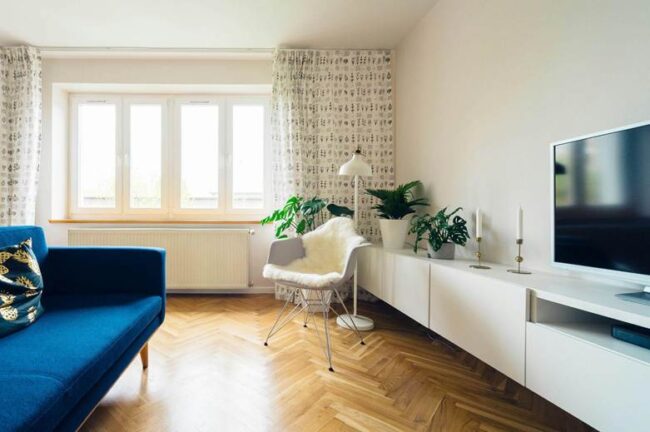
There is a particular kind of frustration that comes with moving into a rented apartment. The space is fine. The location works. The price made sense. But standing in it with your furniture not yet arrived and the walls a shade of white that no one chose intentionally, it is hard to feel anything like excitement. It feels provisional. Like a placeholder for the real home you will eventually have somewhere else.
That feeling is worth pushing back on. The way a space looks and feels is not determined by whether you own it. It is determined by the decisions you make inside it. And those decisions are available to renters just as much as they are to homeowners. The constraints are different, but the outcome, a space that feels genuinely yours, is completely achievable.
The renters who live well in their apartments tend to think differently from the ones who spend years tolerating a space they never quite settle into. Here is what that different way of thinking actually looks like.
Start With What You Cannot Change and Work With It
Every rented apartment comes with fixed features. The floor plan is set. The flooring material is there whether you chose it or not. The kitchen cabinets are a certain colour. The windows face a certain direction. The bathroom tile is whatever it is.
Most renters spend energy wishing these things were different. The ones who end up with genuinely good-looking spaces spend that energy figuring out how to work with them instead. A floor you cannot change becomes the anchor of your colour palette. Cabinets you cannot paint become the thing your hardware and textiles either complement or contrast. Fixed features, once you stop fighting them, become a design constraint, and constraints are actually useful. They narrow the decisions and give the space a coherent logic.
Before you buy a single piece of furniture or a single decorative item, stand in your apartment and take stock of what you are working with. The undertones in the flooring. The amount and direction of natural light. The proportions of each room. These are the parameters you are designing within, and knowing them clearly makes every decision that follows easier.
Furniture That Does More Than One Thing
Apartment living tends to mean working with less square footage than you would like. The answer is not to buy smaller versions of everything. It is to buy things that earn their place by doing more than one job.
A storage ottoman that functions as a coffee table, extra seating, and a place to store blankets takes up the same floor space as a coffee table that only does one thing. A bed frame with integrated storage underneath solves the problem of where to put things in a bedroom that has no room for a dresser. A dining table that folds down when not in use gives back floor space in a room that needs to serve multiple purposes throughout the day.
The furniture that tends to make apartments feel good is furniture that was thought about from a spatial standpoint before a purely aesthetic one. Proportion matters enormously in smaller spaces. A sofa that is the right scale for the room makes the room feel considered. One that is even slightly too large makes the whole space feel compressed and harder to move through.
What Lighting Does That No Other Element Can Match
Lighting is the most underused tool in apartment decorating, and it is almost entirely within a renter’s control. The overhead fixture that came with the apartment is probably not doing the space any favors. It is almost certainly casting flat, even light that flattens the room and makes it feel like a waiting area rather than somewhere you want to spend time.
The solution is layering. Replace the overhead as your primary light source with a combination of floor lamps, table lamps, and task lighting that creates pools of warm light at different heights and in different corners of the room. This does more to change how an apartment feels than almost any other single intervention, and it is entirely reversible when you move out.
Warm bulb temperatures, generally in the 2700K to 3000K range, make a space feel noticeably more comfortable and inviting than the cool daylight bulbs that often come pre-installed. Dimmable options give you control over the mood of a room at different times of day. These are small, affordable changes with a disproportionate effect on how a space reads.
Textiles Are Doing More Work Than You Think
Soft furnishings are one of the fastest ways to change how an apartment feels, and they are completely portable when you move. Curtains, rugs, cushions, and throws are the elements that make a space feel inhabited and layered rather than sparse and temporary.
Curtains deserve particular attention. The standard approach is to hang them just above the window frame, at roughly the width of the window itself. The better approach is to hang them as close to the ceiling as possible and as wide as the wall allows. This makes windows look larger, ceilings feel taller, and the entire room feel more intentional. The difference between curtains hung at window-frame level and curtains hung at ceiling height in the same room is dramatic, and it costs nothing extra beyond slightly more fabric.
Rugs define zones within open-plan spaces and add warmth to rooms with hard flooring. The most common mistake is choosing a rug that is too small for the room. A rug that only sits under the coffee table in a living room makes the furniture feel like it is floating unanchored. One that extends under at least the front legs of all the seating grounds the whole arrangement.
The Plants Conversation Is Not Optional
Apartments without plants tend to feel more static and less alive than apartments with them. This is not a style opinion. It is a fairly observable reality. Greenery introduces organic shape and colour that manufactured objects cannot replicate, and it changes the air quality and the sensory experience of a room in ways that are easy to underestimate until you try it.
The good news for renters who are not naturally plant people is that the bar to entry is low. A few well-placed plants in rooms that have reasonable light will do more for the feel of the space than a significant investment in décor. Snake plants, pothos, and peace lilies are genuinely difficult to kill and genuinely effective at softening the hard edges of an interior.
When the Apartment Itself Is the Right Starting Point
All of the above assumes you are working with a space that has a reasonable foundation. And that foundation matters more than most renters give it credit for when they are searching.
An apartment with good bones, meaning proportionate rooms, decent light, well-maintained common areas, and reliable management, gives you something to work with. An apartment that lacks those things is harder to salvage through decorating alone. A beautiful rug and perfect lighting cannot fix a building where the management is unresponsive, the hallways feel neglected, or the construction is thin enough to hear every neighbour.
This is why choosing where you live is actually the first design decision you make. For anyone exploring premium rental living in Toronto, the quality of the building and the management behind it shapes the daily experience of your home more than any interior decision you make once you are inside. A well-managed, purpose-built rental in a connected urban location gives you a stable, comfortable foundation. What you do with the space from there is entirely your own.
Making It Feel Permanent When It Is Not
The renter’s instinct is often to hold back. Not to invest too much in a space you might leave. Not to get too attached to something that is not technically yours. That instinct is understandable, but it tends to produce exactly the kind of provisional-feeling apartment that nobody enjoys living in.
The better approach is to treat the space as a real home for however long you are there, whether that is one year or ten. Hang the art properly rather than leaning it against the wall. Get the rug that actually fits the room rather than the one that was on sale. Buy the lamps that work rather than the cheapest option available.
The upfront investment pays back in the daily experience of living somewhere that feels like you chose it. And most of the things you invest in, the furniture, the textiles, the lighting, the plants, come with you when you go. You are not leaving anything behind except a space that was better for having been lived in thoughtfully.
That is worth doing, regardless of whose name is on the lease.