
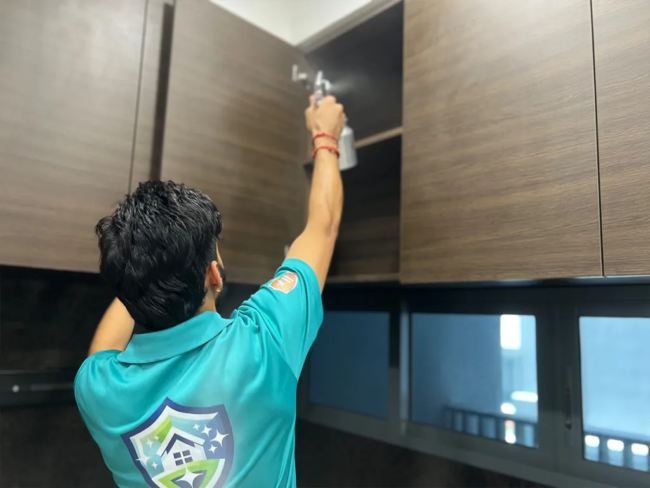
Indoor air quality has become a quiet concern inside many Singapore homes, even those that look spotless and well-kept. High-rise living, sealed windows, and modern interiors create spaces that feel comfortable but often trap invisible pollutants. Formaldehyde is one such substance that slips into everyday living without clear warning signs. It affects comfort gradually, which makes awareness more important than an alarm.
Formaldehyde removal Singapore can become necessary when families notice lingering smells, mild irritation, or general discomfort indoors. These experiences often link back to common household materials rather than unusual conditions. Once the indoor sources are clearly understood, it becomes easier to see why addressing air quality feels like a practical home care step. The issue often lies hidden in plain sight.
New Furniture and Built-In Carpentry
New furniture brings freshness and style into a home, yet it often introduces chemical residues at the same time. Many cabinets, wardrobes, and shelves rely on engineered wood bonded with resins that release formaldehyde slowly. In compact Singapore flats, multiple new pieces can raise indoor levels quickly. The scent often feels sharp or unfamiliar during the early months.
Built-in carpentry adds to this effect due to its scale and placement. Large surface areas sit close to daily living zones such as bedrooms and living rooms. Even when finishes appear premium, emissions can still occur. It becomes clear that furniture plays a significant role in indoor air comfort.
Paints, Varnishes And Surface Finishes
Freshly painted walls give homes a clean and polished appearance. Some paints and surface finishes release chemical gases while they settle and cure. In warm and humid conditions, this process slows down, and emissions last longer. Rooms that rely heavily on air conditioning trap these gases more easily.
Floor coatings and glossy wood finishes also contribute. Doors, cabinets, and feature walls treated with sealants add another layer to indoor exposure. These materials look stable, yet they affect air quality quietly. Awareness helps homeowners manage expectations after renovation work.
Flooring Materials And Adhesives
Flooring choices influence more than style and comfort underfoot. Laminate flooring uses composite wood cores bonded with chemical adhesives. Once installed across large areas, these materials release gases into the indoor environment. Underlays beneath the boards add to the overall effect.
Vinyl flooring can present similar concerns. Some varieties use bonding layers that emit chemical odors over time. Smaller homes feel this impact more clearly due to limited airflow. Flooring often escapes attention because it feels permanent and solid.
Household Cleaning And Maintenance Products
Cleaning products support hygiene and freshness, yet some contain chemical compounds that affect indoor air. Disinfectants, surface sprays, and air fresheners release gases during regular use. In small spaces, repeated use increases indoor exposure. Bathrooms and kitchens often feel this effect more strongly.
Ventilation plays a key role here. Without proper airflow, chemical residues stay suspended in the air. Residents may sense irritation or persistent scents without a clear cause. Product choice and usage patterns influence this part of the indoor environment.
Formaldehyde enters homes through familiar materials rather than rare or unusual sources. Furniture, finishes, fabrics, and household products all contribute small amounts that add up indoors. Understanding these sources makes indoor air care feel sensible and grounded. This awareness explains why Formaldehyde removal in Singapore is important to maintain a healthy environment in homes. Clean air supports daily living in ways that extend beyond what the eye can see.