
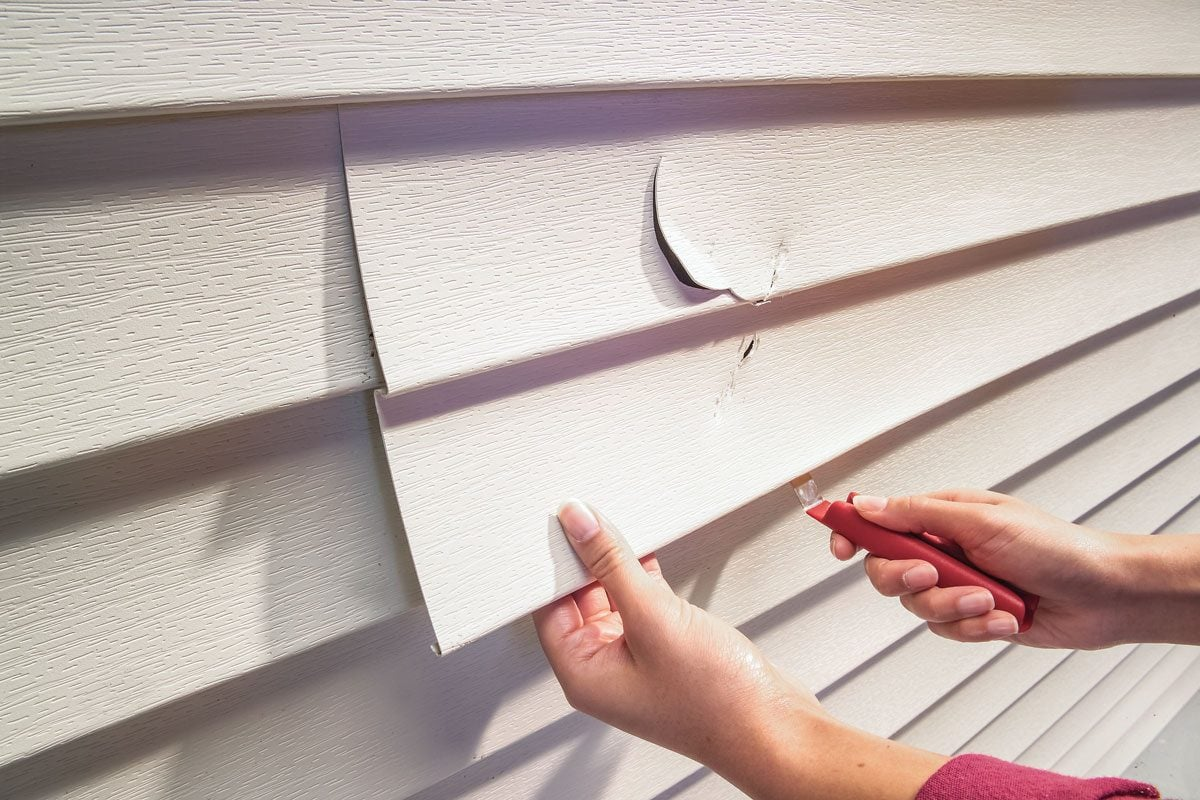
Homeowners handle their siding maintenance through the same approach they use for their aging vehicles. Homeowners perform emergency repairs when any component fails. The homeowner continues to address new issues as they arise.
The maintenance pattern shows rising costs over time. The initial cost of repairs seems affordable at first, but they will eventually become expensive. The point comes when siding maintenance transitions from a good investment to a pointless expense. The following article explains when to replace siding and outlines your options for the future.
The Hidden Cost of Constant Siding Repairs
A single siding repair operation is without significant consequences. A contractor performs two tasks: replacing damaged boards and closing the gaps between them. The system experiences additional failures after a few months pass. Your collection of invoices for persistent problems grows, unresolved, until you realize the extent of your situation. At this point, you inevitably start thinking about siding replacement costs and whether continual fixes still make sense. The need for multiple repairs indicates that your building structure, materials, or installation method contains an underlying issue.
The visible portion of surface repairs does not address any hidden problems. The siding repair method fails to solve the moisture problem that has penetrated through the exterior wall. The repair method fails to restore damaged insulation to its original state. The repair process fails to prevent aging materials from further deteriorating. Your seasonal patchwork of the same areas indicates that the underlying problem exceeds the scope of your current repair work.
Clear Signs Your Siding Has Reached the Point of No Return
Siding will eventually show signs that it has reached the end of its useful life. The siding structure shows signs of wear, with warping or buckling occurring multiple times during attempted repairs. The material loses its battle against moisture when wood rot expands instead of remaining stable. The presence of mold inside your home, along with persistent damp odors, indicates water entry through exterior panels.
The way your home consumes energy becomes a visible indicator of siding deterioration. Siding failure creates unrestricted airflow between your home and the outside environment. The systems that heat and cool your home must operate at increased intensity to sustain temperature levels. The initial increase in utility costs becomes more pronounced over time. The exterior walls of your home become vulnerable to pest infestations when they deteriorate.
The siding material reaches the end of its life when it develops extensive color loss and multiple cracks across its surface. Various areas of damage throughout the siding require more than temporary fixes because repair work becomes ineffective at this point.
When Repairs Become More Expensive Than Replacement
The financial costs of maintenance reach a critical point. Homeowners who spend $200 to $300 per visit for minor repairs will see their annual expenses increase substantially. The cumulative costs of repeated repairs will exceed the cost of buying new siding. The need for specialized fixes on old materials leads to higher labor expenses. The process of matching new siding products with older materials becomes challenging because contractors need to combine different sections. The home’s visual appeal suffers from this solution, yet it fails to solve the core problem.
A siding inspection by a contractor depends on three main factors: the extent of damage, the home’s age, and the condition of the siding. The contractor will suggest replacement when water damage reaches the sheathing beneath the siding or when damage extends across multiple walls. The recommendation serves as a necessary solution for structures that have reached their repair limits.
The Long-Term Benefits of Full Siding Replacement
A complete replacement solution addresses the root cause of the problem. The new siding system creates a tight seal that prevents water entry while maintaining proper insulation levels. The system retains stable indoor temperatures while reducing your monthly energy costs. The improvement becomes instantly visible to everyone.
This process enhances the exterior appearance of the house. Installing new siding enhances the house’s exterior appearance and may increase its market value. The new siding system better protects your home from weather conditions, pest infestations, and extended moisture exposure. The extended warranty periods of modern materials, combined with their lower maintenance requirements compared to traditional options, make them a compelling choice.
Homeowners who choose replacement work can avoid future maintenance costs because it solves their problem permanently.
Choosing the Right Siding Material for Lasting Results
Siding products demonstrate different operational characteristics. The cost-effectiveness of vinyl siding makes it easy to maintain. The combination of high durability, fire, and moisture resistance makes fiber cement siding an excellent choice. Engineered wood provides a natural look while offering superior durability compared to standard wood. Metal siding performs well in extreme weather conditions and provides a long service life.
The selection of siding materials depends on specific conditions, including climate, home design, and maintenance requirements. A contractor will assist you in evaluating the combination of investment costs, visual appeal, and operational duration for your siding choice.
How to Plan a Cost-Effective Siding Replacement
A replacement project needs proper planning before it can start. The first step should be to determine a suitable budget while obtaining multiple professional price estimates. The project requires working with licensed contractors specializing in complete exterior building renovations.
The project schedule and all necessary steps for completion need to be established during this phase. The majority of construction work follows established sequences of operations. The process begins with removing existing siding, followed by a structure inspection and repair of hidden damage before installing new panels.
The process requires more than just panel installation. The new siding needs proper ventilation systems, functioning gutters, and scheduled inspections to remain protected from future issues. High-quality siding materials require proper maintenance to achieve a lifespan of fifty years or more.
Conclusion
Your siding has failed to perform its intended function, requiring constant repairs. The delay in replacement will result in higher expenses for short-term fixes that require extended periods of time. The only way to break the cycle of damage is to replace your siding, even though it may seem like a significant decision. You should arrange an inspection to determine whether your siding has reached its maximum lifespan. The cost of an honest assessment will exceed all the money you would spend on additional repairs.