
Responsible homeowners often keep up with seasonal maintenance, from cleaning gutters to trimming landscaping and checking smoke detectors. However, one important part of the home is often overlooked until problems appear: the air duct system.
A home’s HVAC system works like its breathing system, moving heated or cooled air through the house many times each day. Over time, dust, pet dander, pollen, and outdoor particles can collect inside the ductwork and spread through the living areas.
When indoor air quality begins to noticeably decline, bringing in the most experienced licensed air duct cleaning contractors Colorado Springs has to offer is the most effective way to restore a healthy, breathable environment for the entire household.
The Hidden Toll on Indoor Air Quality
Surprisingly, indoor air is often more polluted than the air outside.
Modern, well-insulated homes inadvertently trap airborne particles, which can trigger persistent symptoms for residents with asthma or seasonal allergies.
The dark, temperature-controlled ductwork provides a haven for these hidden threats, including:
Pet dander
Microscopic skin flakes that easily bypass standard furnace filters.
Dust mites
Pests that thrive in dusty environments and drive indoor allergies.
Mold spores
Fungal growth fueled by condensation inside air conditioning coils.
Volatile Organic Compounds (VOCs)
Residues from cleaning supplies and aerosols that coat duct interiors.
By utilizing specialized agitation tools and high-powered vacuum systems, reputable companies completely eradicate these trapped pollutants. This process drastically improves overall indoor air quality, making the home a safer sanctuary.
Warning Signs That a Cleaning Is Overdue
Because air ducts are hidden behind walls, ceilings, and floors, buildup often goes unnoticed for years.
Fortunately, there are usually several warning signs that indicate the system may benefit from a professional cleaning.
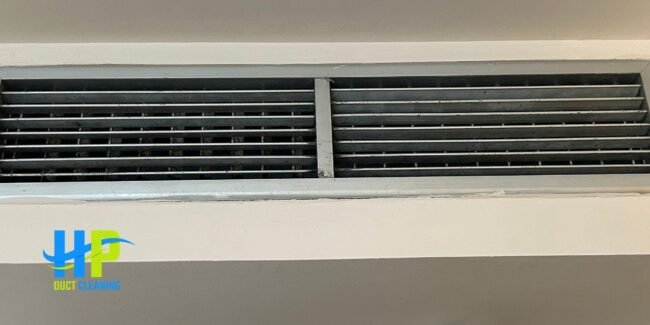
Watch for a rapid accumulation of dust on furniture, even just days after a thorough house cleaning. Dark streaks or heavy dust buildup around the edges of supply registers are also dead giveaways.
Unpleasant odors coming from vents when the heating or cooling system starts up may indicate that dust, debris, or moisture has accumulated inside the ductwork.
Boosting HVAC Efficiency and Longevity
Dirty ducts do much more than just aggravate respiratory allergies; they force expensive heating and cooling equipment to work significantly harder than necessary.
When debris accumulates on the blower motor, the indoor evaporator coils, and inside the vents, it creates physical friction and restricts airflow.
This forces the entire system to run longer cycles just to reach the temperature set on the thermostat. The resulting consequences impact both the household budget and the equipment itself:
- Higher utility bills: Restricted airflow means the system draws more electricity or natural gas to condition the home.
- Premature wear and tear: Blower motors running under constant strain are far more likely to overheat and fail years before their expected lifespan.
- Inconsistent temperatures: Blocked or heavily soiled ducts can prevent adequate air from reaching the furthest rooms in the house, leaving some areas too hot and others freezing cold.
Comprehensive duct maintenance removes these physical blockages. In turn, the HVAC system operates at peak efficiency, minimizing energy consumption and protecting the investment in climate control.
What Happens During a Professional Visit
A professional visit usually starts with a full system check to find heavy buildup, blockages, or damaged connections.
Technicians then protect the home’s interior before using a powerful vacuum to create negative pressure in the duct system.
Technicians use professional cleaning equipment to dislodge dust and buildup from inside the ducts, directing the material into a sealed collection system for removal.
Why Professional Expertise Matters
While DIY tutorials or discount services might seem tempting, using a standard shop vacuum often pushes compacted dust deeper into the system, causing more harm than good. Legitimate professionals follow strict National Air Duct Cleaners Association (NADCA) guidelines.
Relying on the proven expertise of licensed air duct cleaning contractors Colorado Springs residents trust is absolutely vital.
Only trained technicians have the specialized equipment required to perform a safe, effective deep clean without damaging fragile flex ducts or intricate HVAC components.
Prioritizing a Healthy Home Environment
Investing in a home’s respiratory health creates a safe, efficient, and welcoming environment, while ignoring ventilation leads to higher energy costs and poor air quality.
When it is time to refresh a property’s air supply, trust established professionals to handle the job correctly.
HP Air Duct Cleaning offers the industry expertise needed to thoroughly revitalize any residential system.
Do not let hidden allergens degrade the living space, contact HP Air Duct Cleaning today to schedule a comprehensive inspection and secure the lasting peace of mind that comes with a truly clean home.
FAQs About Air Duct Cleaning
How often do air ducts need professional maintenance?
Most experts recommend professional air duct cleaning every three to five years. Homes with pets, indoor dust, allergy concerns, smokers, or recent remodeling may need service more often to help reduce buildup and support cleaner indoor air.
Why is routine air duct cleaning an important part of home maintenance?
Professional air duct cleaning helps remove accumulated dust, debris, and other airborne contaminants from the ventilation system. This can contribute to fresher indoor air, improved airflow throughout the home, and more efficient HVAC performance.
How much time is usually needed to finish the cleaning process?
A typical residential air duct cleaning service can often be completed within a few hours. The total time required depends on factors such as the home’s size, the complexity of the ductwork, and the amount of dust and debris that has accumulated within the system.