
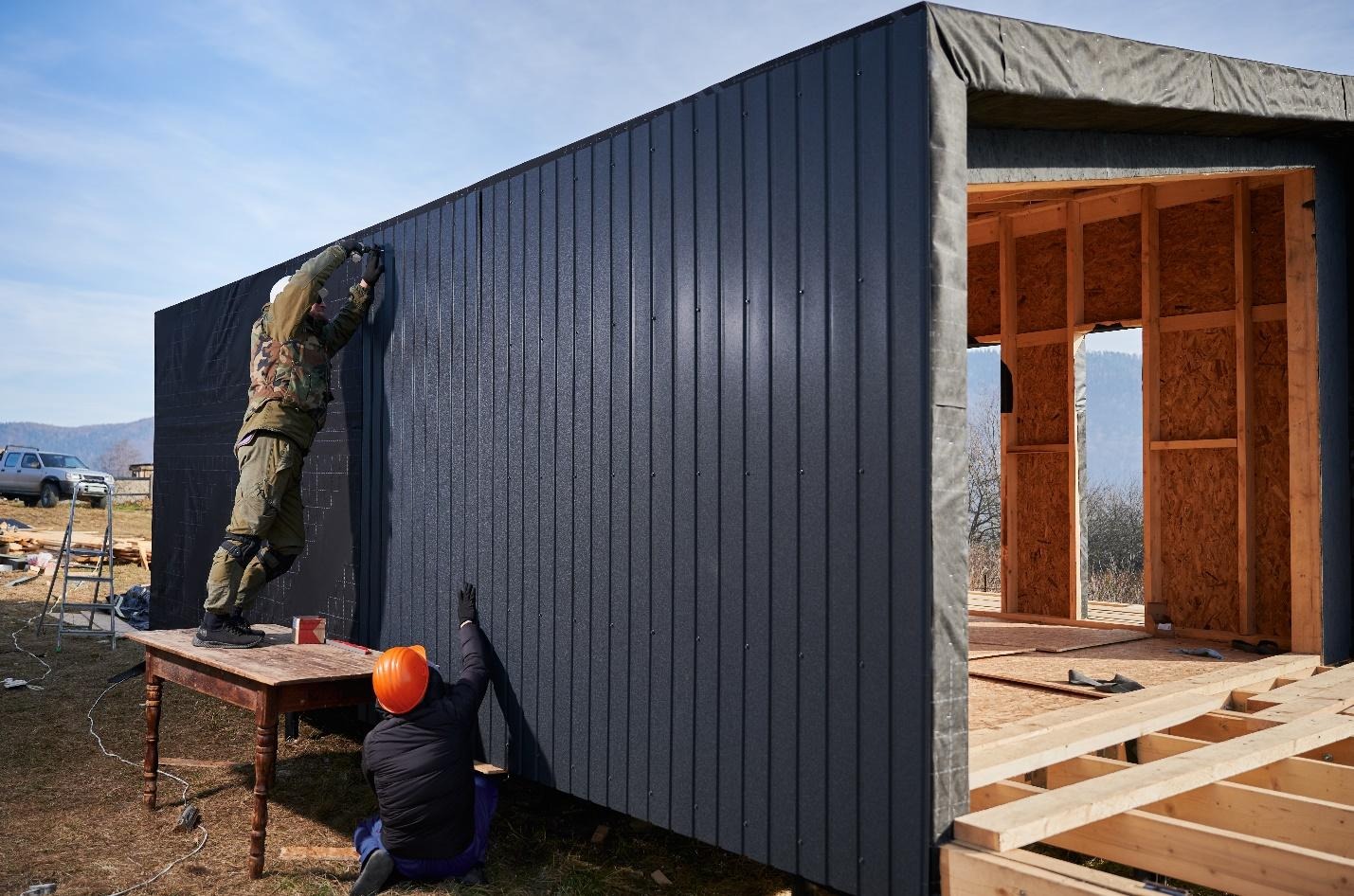
Australia’s remote project landscape spans mining operations in Western Australia, construction sites across Queensland, and infrastructure development throughout the Northern Territory. Each project shares a common challenge: housing workers in locations where traditional accommodation simply doesn’t exist.
The temporary workforce housing market offers multiple solutions, each with distinct cost profiles, performance characteristics, and suitability for different project types. Understanding these options prevents expensive mismatches between accommodation choices and actual project requirements.
Project managers making informed housing decisions balance upfront costs against long-term performance, worker satisfaction against budget constraints, and immediate availability against optimal specifications. Getting this balance right affects everything from recruitment success to project profitability.
The Australian Temporary Housing Market Landscape
The temporary workforce accommodation sector has grown substantially over the past decade. Industry analysis estimates the Australian market at approximately $1.2 billion annually, driven primarily by resources extraction, major infrastructure projects, and disaster recovery operations.
Western Australia dominates demand, accounting for roughly 45% of temporary housing deployments. Mining operations in the Pilbara region alone house over 40,000 workers in temporary facilities at any given time. Queensland follows with 28% market share, split between mining, agriculture, and construction projects.
Supply chains have matured significantly. Manufacturers now produce purpose-built workforce accommodation incorporating decades of lessons learned from harsh Australian conditions. The shift from repurposed shipping containers to engineered housing solutions reflects growing understanding of what remote workers need and expect.
Rental markets provide flexibility for shorter projects. Major suppliers maintain fleets of hundreds of units available for immediate deployment. Purchase markets serve long-term projects and organisations running continuous remote operations across multiple sites.
Cost Analysis: Purchase vs. Rental Decisions
The purchase versus rental decision hinges primarily on project duration, though other factors complicate the calculation. Break-even analysis provides a starting framework but requires adjustment for specific circumstances.
Rental costs typically range:
- Basic single-person units: $180-$280 per week
- Standard accommodation with amenities: $300-$450 per week
- Premium specifications with enhanced features: $500-$700 per week
- Multi-room units or connected modules: $600-$1,200 per week
These rates usually include delivery within reasonable distances but exclude site preparation, utility connections, and ongoing maintenance.
Purchase costs vary widely based on specifications:
- Entry-level portable buildings: $18,000-$28,000
- Mid-range accommodation units: $32,000-$48,000
- High-specification workforce housing: $55,000-$85,000
- Custom-designed or luxury units: $90,000-$150,000+
Break-even calculations for standard mid-range units show rental costs exceeding purchase costs around the 20-24 month mark. Projects lasting less than two years generally favor rental. Longer deployments benefit from purchasing dongas for sale that provide ongoing accommodation value across multiple project phases or different sites.
Hidden costs shift these calculations. Transportation charges add $3,000-$8,000 depending on distance. Site preparation averages $8,000-$15,000 per unit for leveling, foundations, and access. Utility connections cost $10,000-$30,000 for complete systems serving multiple units.
Portable Building Types and Performance Characteristics
Not all temporary housing performs equally. Understanding the distinctions between different building types prevents choosing solutions that fail to meet project requirements.
Modified shipping containers represent the most basic option. Original 20-foot or 40-foot containers fitted with windows, doors, and basic amenities cost less initially but present significant limitations. Poor insulation makes them uncomfortable in temperature extremes. Condensation issues create moisture and potential mold problems. Limited internal height reduces livability.
Purpose-built portable buildings deliver superior performance. Engineered specifically for workforce accommodation, these units incorporate proper insulation, effective ventilation, and structural features handling repeated relocation. Wall thickness allows quality insulation materials. Floor-to-ceiling heights of 2.4-2.7 meters create comfortable interior spaces.
Modular accommodation systems scale efficiently for large workforce requirements. Individual modules connect to form compounds with shared facilities and amenities. This approach optimises cost per bed while maintaining reasonable comfort levels. Central facilities (kitchens, bathrooms, recreation areas) serve multiple sleeping modules.
Transportable site offices converted for accommodation serve dual purposes. These units function as workspace during project phases, then convert to housing during different periods. This flexibility maximises asset utilisation but requires careful planning to ensure adequate specifications for both uses.
For those unfamiliar with industry terminology, exploring resources like this complete guide to dongas clarifies the distinctions between different portable building categories and their typical applications.
Climate Performance and Regional Suitability
Australia’s geographic diversity demands different accommodation specifications by region. Units performing adequately in temperate zones fail dramatically in tropical or desert conditions.
Tropical specifications address:
- High humidity requiring enhanced ventilation and dehumidification
- Heavy rainfall necessitating superior weather sealing and drainage
- Cyclone ratings in northern coastal areas meeting or exceeding regional requirements
- Elevated foundations preventing flood damage and improving airflow
- UV-resistant materials withstanding intense year-round sun exposure
Desert environment requirements include:
- Superior insulation maintaining interior comfort during 45°C+ days
- Adequate cooling capacity handling extreme heat loads
- Dust sealing around all penetrations preventing interior contamination
- Thermal mass or reflective coatings reducing heat absorption
- Water conservation features addressing supply challenges
Temperate zone considerations balance:
- Moderate insulation for seasonal variations
- Heating systems for winter comfort
- Moisture management for high-humidity periods
- Quality windows and seals managing variable weather
Energy consumption differences between basic and well-insulated units reach 40-60% in extreme climates. A poorly insulated unit in the Pilbara summer might consume $500+ monthly in cooling costs, while properly specified accommodation uses $200-$300 for the same comfort level.
Worker Satisfaction Metrics and Retention Impact
Accommodation quality directly correlates with worker retention, though quantifying this relationship requires examining multiple studies and industry data.
A 2023 survey of 1,847 remote workers across Australian mining and construction sectors revealed:
- 68% rated accommodation quality as “very important” to contract duration
- 41% had terminated contracts early due to poor living conditions
- 73% would accept 5-10% lower daily rates for substantially better accommodation
- 89% considered internet connectivity “essential” rather than “nice to have”
Turnover costs make accommodation investment economically rational. Recruiting and mobilising a replacement worker costs $8,000-$15,000 depending on role and location. Projects maintaining stable crews through quality accommodation save substantially on recruitment and training expenses while benefiting from experienced team members.
Specific amenities affect satisfaction differently:
High-impact features (strong satisfaction correlation):
- Private rooms versus shared accommodation
- Reliable high-speed internet
- Quality bedding and climate control
- Clean, well-maintained bathrooms
- Adequate personal storage space
Moderate-impact features (positive but less critical):
- Recreation facilities and entertainment options
- Kitchen quality and equipment
- Common area comfort and size
- Outdoor spaces for relaxation
Low-impact features (minimal satisfaction change):
- Exterior aesthetics
- Premium finishes and fixtures
- Unit size beyond adequate minimums
Compliance and Safety Standards
Regulatory frameworks governing temporary workforce housing vary by state and industry but share common baseline requirements. Non-compliance creates legal liability, potential project delays, and reputational damage.
Workplace health and safety standards mandate:
- Minimum floor area per occupant (typically 10-12 square meters)
- Adequate ventilation with specified air changes per hour
- Temperature control maintaining habitable conditions
- Potable water meeting Australian Drinking Water Guidelines
- Sanitation facilities at appropriate ratios
- Fire safety equipment and emergency egress
Building code compliance addresses:
- Structural integrity for transport and site conditions
- Electrical installations meeting AS/NZS 3000
- Plumbing systems complying with relevant standards
- Energy efficiency where regulations apply
Mining-specific requirements include:
- Resources Safety inspections and approval
- Enhanced fire protection systems
- Emergency response capabilities
- Maintenance and inspection documentation
Inspection failures carry serious consequences. Western Australian Resources Safety issued 127 improvement notices in 2023 related to accommodation deficiencies. Violations resulted in production stoppages at three operations until compliance was achieved.
Transport and Logistics Considerations
Moving accommodation units between sites presents significant logistical challenges affecting both cost and project timelines. Understanding transport limitations prevents choosing units that create delivery problems.
Size constraints on public roads:
- Width: 3.5 meters maximum without special permits
- Height: 4.3 meters on most highways, lower on some routes
- Length: Up to 12.5 meters for single units on standard transport
Oversized loads require special permits, pilot vehicles, and route planning around infrastructure limitations. These requirements add $1,500-$5,000 to transport costs and extend delivery timeframes.
Weight considerations affect:
- Road surface requirements during delivery
- Crane capacity needed for positioning
- Foundation specifications at the site
- Transport vehicle selection and costs
Access route assessment identifies:
- Bridge weight and height restrictions
- Road width limitations
- Turning radius requirements at site
- Ground conditions during different seasons
Remote site access often determines accommodation choices. Units too large for available transport routes force compromises on specifications or expensive route improvements.
Technology Integration and Modern Expectations
Contemporary remote workforce accommodation requires technology infrastructure matching urban expectations. Workers accustomed to constant connectivity find basic units without the internet intolerable.
Internet connectivity needs:
- Minimum 10 Mbps per person for basic use
- 25+ Mbps per person supporting streaming and video calls
- Satellite systems where terrestrial connections unavailable
- Backup systems ensuring reliability
Connectivity costs vary dramatically by location. Remote sites might pay $800-$2,000 monthly for adequate bandwidth, while closer locations access cheaper terrestrial connections.
Smart building systems optimise:
- Climate control based on occupancy and conditions
- Energy consumption through intelligent load management
- Maintenance scheduling via remote monitoring
- Security through integrated cameras and access control
Entertainment infrastructure includes:
- Large-screen displays in common areas
- Streaming service access
- Gaming consoles and equipment
- Quality audio systems
Technology expectations create generational divides. Younger workers consider high-speed internet non-negotiable, while some older demographics tolerate limited connectivity. Project demographics should inform technology investment levels.
Maintenance Programs and Lifecycle Costs
Ongoing maintenance represents significant accommodation expenses often underestimated during initial planning. Structured maintenance programs prevent expensive emergency repairs and extend unit service life.
Routine maintenance (weekly or monthly):
- HVAC filter changes and system checks
- Plumbing inspections for leaks or blockages
- Electrical system verification
- Cleaning of common areas and facilities
- Grounds maintenance around units
Preventive maintenance (quarterly or biannually):
- Deep cleaning all interior spaces
- Exterior washing and inspection
- Structural checks for damage or deterioration
- Testing safety equipment and alarms
- Servicing mechanical systems
Lifecycle costs beyond purchase:
- Annual maintenance: 3-5% of unit value
- Utilities: $200-$400 per occupant monthly
- Cleaning services: $150-$300 per unit monthly
- Major refurbishment: $8,000-$15,000 after 7-10 years
Deferred maintenance accelerates deterioration. Units neglected during projects often require extensive refurbishment before reuse, eliminating cost savings from the delayed work.
Environmental Impact and Sustainability
Remote project accommodation faces increasing environmental scrutiny. Sustainable practices reduce ecological footprint while often lowering operational costs through improved efficiency.
Energy efficiency measures:
- LED lighting reducing power consumption 60-75%
- High-efficiency HVAC systems cutting cooling costs 30-40%
- Solar power integration offsetting grid dependence
- Superior insulation minimising heating and cooling loads
Water conservation strategies:
- Low-flow fixtures reducing consumption 35-50%
- Greywater recycling for non-potable uses
- Leak detection systems preventing waste
- Rainwater harvesting where climate permits
Waste reduction programs:
- Recycling systems for common waste streams
- Composting organic waste
- Minimising single-use items
- Proper hazardous material disposal
Sustainability certifications (Green Star, NABERS) increasingly influence accommodation selection. Projects with environmental commitments require accommodation meeting specific performance standards.
Strategic Sourcing and Vendor Selection
Choosing accommodation suppliers affects project success beyond just unit quality. Vendor capabilities, service levels, and financial stability matter for long-term projects, particularly in remote or logistically complex locations.
When sourcing transportable accommodation, working with established providers such as Instant Transportable Offices helps reduce risk. Their range of transportable offices and accommodation units is designed specifically for Australian site conditions, making them suitable for mining, construction, and infrastructure projects that require fast deployment, compliance-ready builds, and scalable configurations. Providers with in-house manufacturing, delivery logistics, and ongoing support reduce downtime and simplify project coordination.
Vendor evaluation criteria:
- Unit availability and delivery timeframes
- Service territory and logistics capabilities
- Maintenance support and response times
- Financial stability and insurance coverage
- Industry experience and references
Contract considerations include:
- Rental terms and early termination provisions
- Maintenance responsibilities and response standards
- Damage policies and security deposits
- Delivery and removal costs
- Optional services (cleaning, utilities management)
Multiple suppliers often serve different aspects of accommodation needs. National providers offer scale and reliability. Regional specialists provide flexibility and local knowledge. Blended strategies optimise cost and performance.
Making Housing Decisions That Work
Temporary workforce housing represents substantial investment with lasting consequences for project success. Decisions balancing cost, performance, and worker satisfaction require understanding the full scope of accommodation requirements and available solutions.
Projects benefit from comprehensive evaluation considering not just immediate costs but lifecycle expenses, worker retention impacts, and operational efficiencies. Upfront investment in quality accommodation delivers returns through stable workforces, reduced turnover expenses, and smoother project execution.
Organisations managing multiple remote projects develop refined approaches through experience. Standardised specifications informed by performance data across various sites enable consistent quality while optimising costs. Strategic vendor relationships ensure reliable supply and responsive service supporting demanding project schedules and locations.