
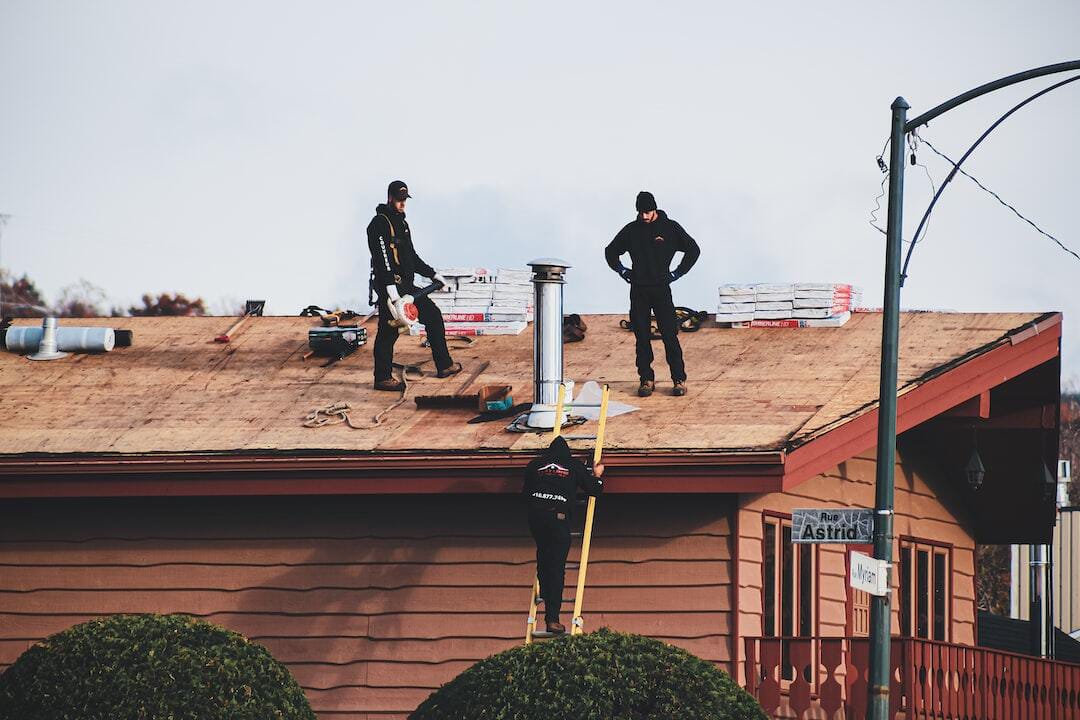
When the heavy snow and thick ice of a Minnesota winter finally begin to melt, many homeowners in the Med City breathe a sigh of relief. However, this transition period is actually one of the most taxing times for a residential structure, often requiring the professional eyes of roofing companies Rochester, MN, to prevent long-term water damage. As the temperatures fluctuate, the cycle of freezing at night and thawing during the day puts immense pressure on shingles and flashing. Water that was once frozen solid begins to seek the path of least resistance, often finding its way into tiny cracks or behind ice dams that were pushed up under the roof’s edge during January’s deep freeze.
Navigating the Challenges of Regional Climate Shifts
The unique climate of the Upper Midwest demands a specific type of construction expertise that goes beyond general contracting knowledge. According to industry standards for building envelope integrity, a rapid spring melt puts way more stress on your gutters than they’re built for, especially if they’re gunked up. Local pros know the real issue isn’t just runoff—it’s the heavy, freezing slush pushing against your house and the way that trapped moisture can literally crack apart your brickwork and wood as it expands. When you hire locally, you are paying for an understanding of how Olmsted County wind patterns and humidity levels affect the curing of sealants and the flexibility of asphalt.
Essential Services for Post-Winter Recovery
After the snow clears, a comprehensive inspection is the first line of defense against rot and mold. Most reputable roofing companies provide a tiered approach to spring maintenance, starting with clearing debris from drainage paths to ensure meltwater can actually leave the building perimeter. Technicians look for “alligatoring” on flat surfaces, missing mineral granules on shingles, and popped nails caused by the constant expansion of the roof deck. Beyond simple repairs, this is also the ideal window to evaluate attic ventilation; if your roof is shedding heat unevenly, it contributes to the very ice dams that cause leaks during the thaw, making preventative upgrades a smart financial move before the summer storms arrive.
How to Screen and Select Quality Contractors
Selecting a partner for your home’s protection requires a look at more than just the bottom line on an estimate. High-quality workmanship is often backed by certifications from major material manufacturers, which ensures that the installers have undergone rigorous training on specific product lines. It is also wise to consult resources like the Better Business Bureau to verify a company’s history of dispute resolution and customer satisfaction within the local community. Make sure you actually see a current insurance certificate that covers both liability and workers’ comp. Without it, you’re the one on the hook if someone gets hurt on your property. Any contractor worth hiring will be up-front with local references and a solid, written schedule for the job.
Final Steps for a Secure and Dry Home
As you move toward a final decision, remember that the goal is to secure a “watertight” future for your property. When interviewing roofing companies in Rochester, MN, ask specifically about their cleanup process—specifically how they handle stray nails in the driveway and protection for your landscaping. The spring rush can make scheduling difficult, so homeowners who identify issues in March or April often secure better rates than those who wait for a catastrophic leak in June. Getting ahead of the game now turns the spring thaw from a headache into just another item on the to-do list. Patching those weak spots before the heavy rains hit ensures your place stays bone-dry for years.