
Most homeowners rarely think about their sewer line until something goes wrong. Unfortunately, when sewer problems appear, they can quickly become messy, disruptive, and expensive to repair. Because sewer lines are buried underground, issues often develop quietly for years before showing visible symptoms.
A professional sewer inspection is one of the most effective ways to detect potential problems early and protect your home from unexpected plumbing emergencies. Modern plumbing technology now allows technicians to examine sewer lines with specialized cameras, making it possible to identify damage, blockages, and other hidden issues without excavation. This preventative approach can help homeowners avoid costly repairs and maintain the long-term health of their plumbing system.
What Is a Sewer Inspection?
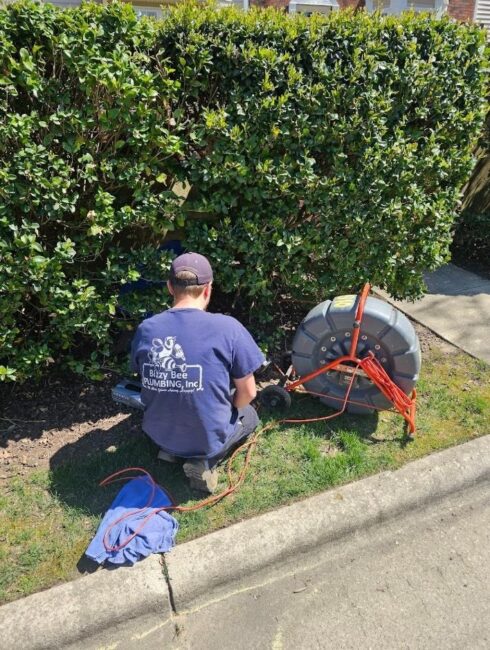
Plumbers use a small waterproof camera attached to a flexible cable that is inserted into the main sewer line. The camera travels through the pipe while transmitting real-time video footage to the technician above ground.
This allows the plumbing professional to see exactly what is happening inside the pipe and determine whether there are any developing issues. Unlike traditional inspection methods that often required digging or removing sections of pipe, camera inspections provide a clear view of the sewer line without damaging landscaping or property.
During the process, the technician can identify a wide range of potential problems, including cracks in the pipe, blockages caused by debris, corrosion, root intrusion, or sections of pipe that may have shifted underground.
For homeowners who want to understand the condition of their plumbing system, working with an experienced Chapel Hill plumber can provide valuable insight into the health of their sewer line.
Common Causes of Sewer Line Problems
Sewer lines are designed to last for many years, but they are still vulnerable to several common issues that can develop over time. Understanding these risks can help homeowners recognize the importance of regular inspections.
Tree Root Intrusion
Tree roots are one of the most frequent causes of sewer line damage. Roots naturally grow toward moisture sources, and even the smallest crack in a pipe can attract them. Over time, roots can expand inside the pipe, causing significant blockages or structural damage.
Aging Pipes
Older homes often have sewer lines made from materials like clay or cast iron. While durable, these materials eventually deteriorate after decades of use. Pipes can crack, corrode, or collapse, especially if the surrounding soil shifts.
Grease and Debris Buildup
Kitchen grease, food particles, and other debris can slowly accumulate inside sewer pipes. As buildup increases, it restricts water flow and may eventually create complete blockages.
Ground Movement
Soil movement, heavy rainfall, and construction activity can all shift underground pipes. When pipes move out of alignment, water flow can be disrupted and leaks may develop.
Warning Signs of Sewer Line Issues
Since sewer lines are hidden underground, early warning signs may be subtle. However, homeowners should pay attention to certain symptoms that often indicate sewer trouble. Some common warning signs include:
- Multiple drains in the home clogging at the same time
- Slow draining sinks or bathtubs
- Gurgling sounds from toilets
- Unpleasant sewer odors coming from drains
- Patches of unusually green grass in the yard
- Water pooling near the foundation or yard areas
If these issues occur repeatedly, it may indicate that the main sewer line is experiencing a blockage or structural problem.
Sewer Inspections When Buying a Home
A sewer inspection is also becoming a recommended step during the home buying process. Standard home inspections typically focus on visible plumbing fixtures, appliances, and structural elements. However, they rarely include a detailed inspection of the underground sewer system.
This means that serious sewer problems can sometimes go unnoticed until after the purchase is complete. Repairing or replacing a sewer line can cost thousands of dollars depending on the severity of the issue. By scheduling a sewer camera inspection before closing, buyers can gain a better understanding of the property’s plumbing system and avoid unexpected repair costs later.
The Benefits of Preventative Sewer Maintenance
Preventative maintenance is often the most cost-effective approach to home plumbing. Detecting small problems early can help homeowners avoid major disruptions and expensive repairs.
For example, minor root intrusion can often be cleared before it grows large enough to break the pipe. Grease buildup can be removed before it creates a complete blockage. Small cracks may be repaired before they lead to pipe collapse. Routine inspections allow homeowners to address these problems early while solutions are still relatively simple.
Modern Technology Makes Inspections Easier
Advances in plumbing technology have significantly improved the accuracy of sewer inspections. High-resolution cameras now provide clear images of the pipe interior, allowing technicians to locate and diagnose issues with precision.
Some systems also include pipe-locating technology that identifies the exact depth and location of the problem. This information can be extremely valuable if repairs are needed because it reduces the amount of digging required.
Protecting Your Home’s Plumbing System
Your home’s sewer line is one of the most important components of the plumbing system, yet it is often the most overlooked. Because it operates out of sight, many homeowners only discover problems after significant damage has already occurred.
Routine inspections can provide peace of mind and help ensure the system continues to function properly. By identifying issues early and maintaining the sewer line proactively, homeowners can prevent costly repairs and extend the lifespan of their plumbing infrastructure.
Taking a preventative approach to sewer maintenance ultimately protects both the home and the investment homeowners have made in their property.