
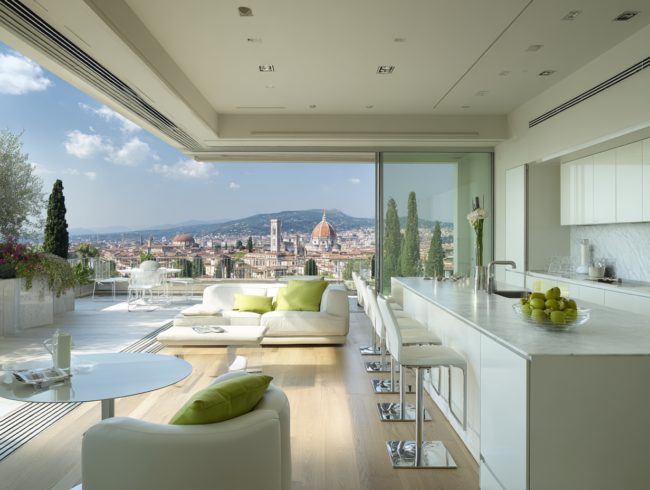
White kitchen cabinets have been a favorite choice for homeowners for many years. They feel clean, bright, and timeless. They work just as well in a small apartment kitchen as they do in a large family home.
No matter the trend of the moment, white kitchen cabinets continue to hold their place.
Still, many people hesitate before choosing them. The biggest concern is simple: Will my kitchen look boring?
The good news is this—white kitchen cabinets only look plain when they are not designed thoughtfully. When planned the right way, they can look warm, stylish, elegant, and full of character.
This article will walk you through exactly how to design white kitchen cabinets that feel rich and inviting, not flat or empty.
Why White Kitchen Cabinets Remain So Popular
White kitchen cabinets are popular because they solve many common kitchen problems. First, they reflect light better than darker colors. This makes kitchens feel brighter and more open, especially in homes with limited windows or natural light.
Second, white cabinets are incredibly flexible. They work with almost any design style. Whether your home leans modern, traditional, farmhouse, or transitional, white kitchen cabinets can adapt.
Another reason people love white kitchen cabinets is their long-term value. Trends come and go, but white rarely feels outdated. If you ever plan to sell your home, white cabinets appeal to a wide range of buyers.
Most importantly, white cabinets give you a blank canvas. You can build layers of style on top of them instead of locking yourself into one bold look.
The Real Reason White Kitchens Sometimes Feel “Too Plain”
White kitchen cabinets themselves are not boring. The problem usually comes from overusing white everywhere else.
When cabinets, walls, countertops, backsplash, and floors are all white, the kitchen loses contrast. Everything blends, and the space feels flat. There is no depth, no warmth, and no visual interest.
Think of white as a base color. It works best when it is supported by other tones, textures, and materials. Without those elements, even the most expensive white cabinets can feel lifeless.
The goal is not to remove white—it is to balance it.
Choosing the Right Shade of White Matters More Than You Think
Many people assume white is just white, but that is not true. White kitchen cabinets come in many shades, and the wrong one can make your kitchen feel cold or dull.
Some whites have warm undertones, while others lean cool. Warm whites have hints of cream, beige, or soft yellow. These are great for cozy kitchens and work well with wood and natural materials.
Cool whites have gray or blue undertones. They look sharp and clean, making them ideal for modern or minimalist kitchens. However, too much cool white can feel sterile if not balanced properly.
Soft or neutral whites sit between warm and cool. They are often the safest choice and work in most homes.
Always test cabinet samples in your actual kitchen. Lighting can change how white looks during different times of the day.
Contrast Is the Key to Depth and Style
If you want white kitchen cabinets to stand out, contrast is essential. Contrast does not mean loud colors—it simply means difference.
Countertops That Add Visual Weight
Countertops are one of the easiest ways to add contrast. Dark or medium-toned countertops create a strong visual base for white cabinets.
Popular choices include black quartz, charcoal granite, soapstone, or deep gray concrete-style surfaces. These materials ground the space and prevent white cabinets from floating visually.
If you prefer warmth, butcher block or natural wood countertops are an excellent option. They soften the look of white cabinets and add a welcoming feel.
A Backsplash That Brings Interest
A plain white backsplash paired with white cabinets can feel repetitive. Instead, choose a backsplash that adds texture or subtle variation.
Textured tiles, handmade tiles, or tiles with gentle veining can bring depth without overwhelming the space. Even changing the tile layout—from horizontal to vertical or herringbone—can make a big difference.
The backsplash should support the cabinets, not disappear behind them.
Texture Makes White Cabinets Feel Rich
Texture is one of the most overlooked elements in kitchen design. You can keep your color palette simple and still create a stunning kitchen by mixing textures.
White kitchen cabinets look best when paired with a variety of surfaces. Matte cabinet finishes feel soft and modern. Glossy tiles reflect light and add energy. Natural stone introduces organic variation.
Even fabrics and accessories play a role. Woven bar stools, linen curtains, and ceramic dishes all add subtle texture that keeps the kitchen from feeling flat.
Texture creates interest without clutter.
Cabinet Hardware Can Transform the Entire Look
Hardware is often treated as a small detail, but it has a big impact. White kitchen cabinets give you the freedom to be bold with hardware.
Matte black handles create a modern, high-contrast look. Brushed brass or gold tones add warmth and elegance. Chrome and nickel feel clean and timeless.
The size and shape of the hardware matter too. Larger handles or unique pulls can turn simple cabinets into a design feature. White cabinets provide the perfect background for hardware to shine.
Bringing Warmth with Wood Elements
White kitchen cabinets can sometimes feel cold if there is nothing to soften them. Wood is one of the best ways to add warmth.
You do not need to fill the kitchen with wood. A few thoughtful touches are enough. Open wood shelves, a wooden island, or exposed ceiling beams can balance the brightness of white cabinets.
Wood tones bring a natural, lived-in feel that makes the kitchen more inviting and comfortable.
Lighting Makes a Bigger Difference Than You Expect
Lighting changes how white kitchen cabinets look more than almost any other element. Flat or harsh lighting can make white cabinets look dull or gray.
Layered lighting works best. Overhead lights provide general brightness. Under-cabinet lighting highlights countertops and adds depth. Pendant lights bring personality and focus to islands or dining areas.
Warm light bulbs are usually the best choice with white cabinets. They soften the space and prevent it from feeling cold or clinical.
Flooring Grounds the Entire Kitchen
The floor plays a major role in balancing white kitchen cabinets. When floors are also white, the kitchen can feel washed out.
Medium to dark wood floors add contrast and warmth. Patterned tiles bring character and movement. Natural stone floors introduce texture and variation.
A strong floor anchors the space and makes white cabinets feel intentional rather than overwhelming.
Adding Color Without Overcommitting
One of the best things about white kitchen cabinets is how easy they are to style. Instead of adding permanent color through cabinets or walls, use accessories.
Rugs, plants, dishes, and small decor items allow you to introduce color in a flexible way. You can change them with the seasons or as your taste evolves.
This approach keeps your kitchen fresh without the need for major updates.
Using Open Shelving the Right Way
Open shelving can add charm and personality to kitchens with white cabinets, but moderation is important.
Too much open shelving can make the space look messy. A small section can break up rows of cabinets and create visual interest.
Use open shelves to display simple, coordinated items. Glassware, neutral dishes, cookbooks, and plants work well. Keep the display clean and intentional.
Cabinet Style Influences the Final Look
The style of your white kitchen cabinets matters just as much as the color. Shaker cabinets are timeless and versatile. Flat-panel cabinets feel modern and sleek. Raised-panel cabinets lean more traditional.
Choosing a cabinet style that matches your home’s overall design helps the kitchen feel cohesive rather than plain.
Small Patterns Add Big Personality
Patterns do not need to be bold to be effective. Subtle patterns add layers of interest to white kitchens.
Lightly patterned tiles, soft wallpaper in a breakfast nook, or textured fabrics can elevate the space without distracting from the cabinets.
These details create a kitchen that feels designed, not empty.
Clean, Comfortable, and Lived-In
White kitchen cabinets look best in a space that feels balanced. A kitchen that is too empty can feel cold, while one that is too busy feels cluttered.
Aim for a clean but comfortable look. Leave breathing room on countertops, but allow a few everyday items to show personality and life.
Why White Kitchen Cabinets Are Worth It
White kitchen cabinets are not boring by nature. They are flexible, timeless, and powerful when designed thoughtfully.
By focusing on contrast, texture, lighting, and detail, you can create a kitchen that feels warm, stylish, and welcoming. White cabinets become the foundation that supports everything else.
Final Thoughts
White kitchen cabinets are a starting point, not a limitation. They give you the freedom to design a space that grows with you.
When done right, white kitchen cabinets never feel plain. They feel calm, confident, and beautifully complete.