
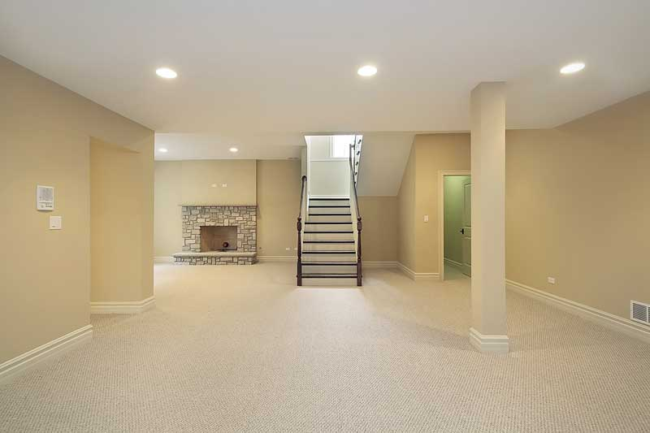
In Canada, a home is a fortress against some of the most challenging weather conditions. While we often focus on roofs and insulation, the most significant threat to a building’s longevity lies beneath our feet. For Canadian homeowners, the basement is the frontline of a silent war against groundwater and the crushing force of shifting soil. When moisture infiltrates these lower levels, it is a signal that the structural integrity of the home is being tested.
The Canadian climate is defined by its extremes. In provinces like Ontario, the cycle of freezing and thawing creates a rhythmic expansion of the earth. This process, known as frost heave, exerts tremendous pressure on concrete foundations. Over time, even robust structures develop micro-fissures. As spring snow begins to melt, this liquid seeks the path of least resistance—often leading directly into your basement. Without a comprehensive defense, these small leaks can lead to costly structural damage.
Why Interior Waterproofing is a Strategic Necessity
When a homeowner notices a damp spot or a musty scent, the immediate reaction is often a temporary patch. However, experts like Leaquida Waterproofing argue that a reactive approach is rarely sufficient. Interior waterproofing is a sophisticated engineering solution designed to manage water that has already reached the foundation perimeter. It serves as a critical line of defense, ensuring the basement remains dry even during record-breaking rainfall or rapid thaws.
The core of this process involves basement leak repair, a specialized service targeting specific breaches in the concrete. Unlike simple surface sealants, professional repair identifies the root cause of the ingress. Whether it is a vertical crack from settling or a horizontal fracture from hydrostatic pressure, the repair must be resilient. Modern techniques, such as high-pressure polyurethane injections, seal these gaps from the inside out, creating a permanent barrier that moves with the foundation.
Managing the Pressure: The Role of Interior Drainage
Effective moisture control isn’t just about blocking water; it’s about redirection. In many Canadian homes, original weeping tile systems eventually collapse or become clogged. This leads to water buildup around the footings, increasing flood risks. An interior drainage system, installed beneath the basement floor, captures this water before it rises and directs it toward a sump pump.
This proactive management is where Leaquida Waterproofing excels, providing tailored layouts based on the specific soil composition of the property. By maintaining a dry sub-floor environment, you eliminate the conditions required for black mold to thrive. Mold remediation is significantly more expensive than a preventative waterproofing installation, making it a wise investment for both the building and the health of its occupants.
Longevity and Property Value
In the current real estate market, a “dry basement” is a vital asset. A history of water issues can devalue a property and complicate insurance claims. Beyond the financial aspects, the basement represents valuable livable space for home offices or rental units. None of these are viable without the security provided by professional foundation protection.
By consulting resources like leaquida.ca, homeowners can better understand the advanced membranes and drainage boards available today. These materials are designed to be “breathable” yet impermeable to liquid water, ensuring the concrete foundation can age without being trapped in a moisture-heavy environment.
A Layered Defense for Every Season
Ultimately, protecting a Canadian home requires a layered defense. It starts with proper grading but must be reinforced by professional interior solutions. As weather patterns become more unpredictable, the margin for error in home maintenance is shrinking.
Leaquida Waterproofing remains committed to helping Canadians navigate these challenges with durable, science-based solutions. Whether dealing with a century-old stone foundation or modern poured concrete, the principles remain the same: identify the vulnerability and manage the water. Addressing these issues today ensures that your home remains a safe, dry, and healthy environment for decades to come.