
Why Proper Tank Installation Matters for Commercial Sites
Fuel tanks are central to operations in transportation hubs, industrial facilities, construction sites, and commercial properties. When installed correctly, they operate safely for decades. When installed poorly, they create environmental risks, safety hazards, and costly operational disruptions. This is why every fuel tank installation must follow a structured, professional process designed to protect the property, the workforce, and the surrounding environment. For commercial facilities, the precision and planning behind these installations determine how reliably the system will perform over its entire lifespan.
Conducting a Thorough Site Assessment
Before anything goes into the ground or onto a pad, professionals assess the site. They evaluate soil conditions, drainage patterns, utility lines, access routes, and necessary clearances. This helps determine where the tank can be placed safely and efficiently. A strong site assessment ensures that the fuel tank installation aligns with regulatory requirements and won’t interfere with existing infrastructure or operations. It also helps identify any preparation work needed before installation begins.
Securing Required Permits and Meeting Regulations
Fuel storage is regulated at local, state, and federal levels. Commercial sites must comply with zoning rules, environmental regulations, fire codes, and secondary containment requirements. Professionals handle permitting, documentation, and regulatory communication to ensure everything is approved before construction starts. This protects facilities from compliance violations and keeps the installation process moving without delays. For any fuel tank installation to be lawful, this regulatory groundwork is essential.
Preparing the Foundation and Containment Area
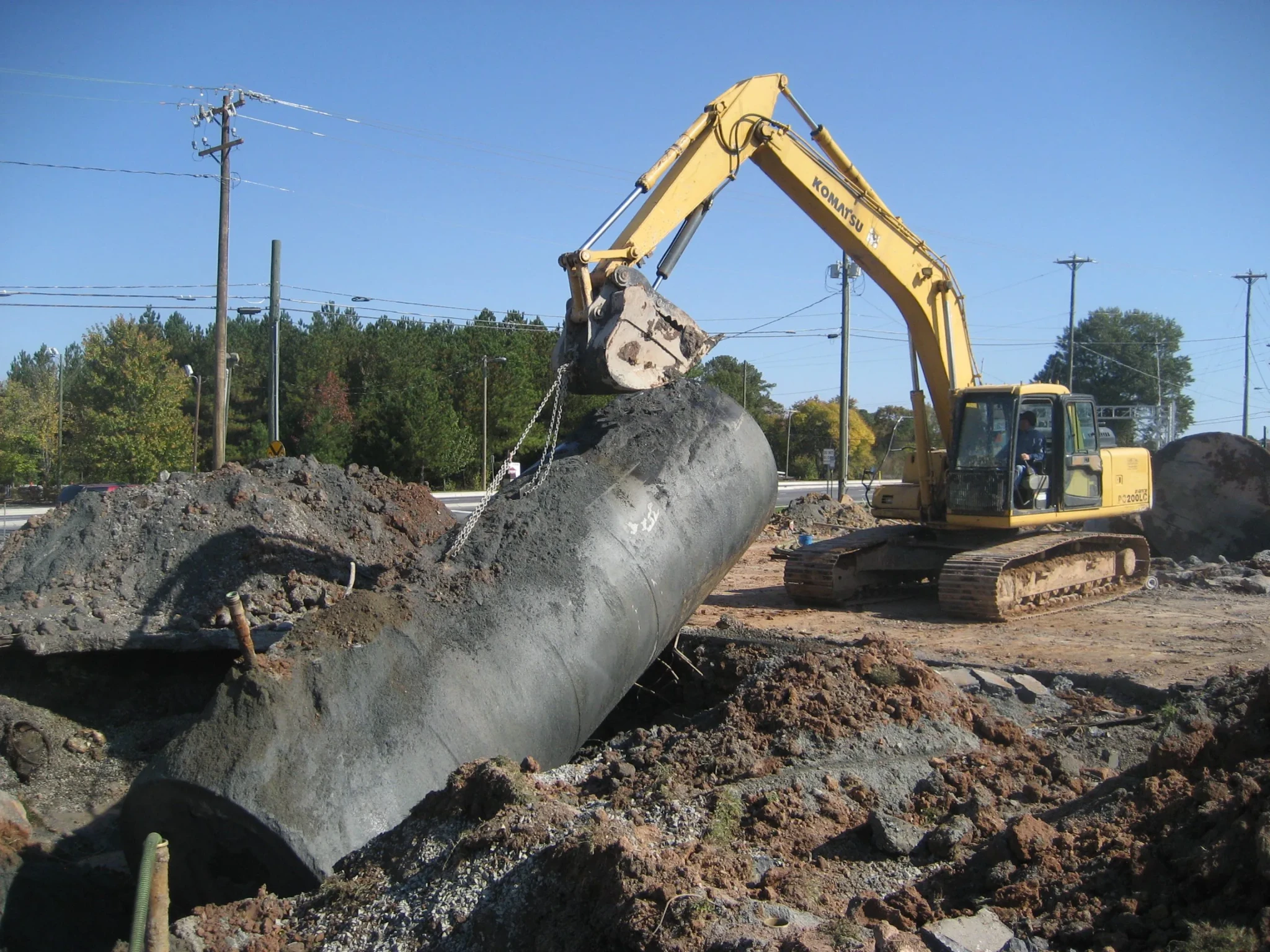
Fuel tanks require stable support. Whether aboveground or underground, the foundation must be designed to handle heavy loads and prevent shifting over time. Crews level the ground, install reinforced pads, and establish containment areas that capture spills, leaks, or runoff. For underground systems, excavation must be performed carefully to maintain structural integrity and avoid disturbing utilities. Proper groundwork ensures that the tank will remain stable, accessible, and safe throughout its operational life.
Installing the Tank with Precision
Once the foundation is ready, the tank is positioned using specialized lifting and alignment equipment. Technicians ensure clearances are correct, connections line up properly, and the tank sits level. For underground systems, backfilling is performed in compacted layers to prevent shifting and maintain structural support. Aboveground systems require anchoring and secure mounting to withstand wind, vibration, and external impact. Every step of the fuel tank installation is carried out with precision to avoid future settlement issues or safety concerns.
Connecting Piping and Safety Systems
After the tank is in place, crews install piping, valves, sensors, and monitoring systems. These components ensure safe fuel flow, prevent backpressure, and enable leak detection. Modern commercial installations often include automated monitoring tools that track product levels, temperature, and system performance in real time. Vent systems, emergency shutoff valves, and overfill protection devices are also integrated. These features are essential for a reliable fuel tank installation and help facilities meet operational and safety standards.
Testing for Safety, Integrity, and Performance
Before the system goes live, every component is inspected and tested. Pressure tests confirm that piping and connections are sealed. Sensors are calibrated for accurate leak detection. The tank itself is checked for structural integrity and proper support. These tests verify that the installation meets regulatory requirements and will function reliably under regular use. For commercial sites, a thorough testing phase protects against future failures and ensures operational readiness.
Documenting and Certifying the Installation
Commercial facilities must maintain records of tank specifications, permits, test results, and installation procedures. This documentation is required for compliance audits, insurance verification, and future inspections. Certification ensures the fuel tank installation meets all regulatory and engineering standards. Proper documentation also provides a baseline for future maintenance and inspection schedules.
Preparing for Long-Term Operation
Once the tank is certified and ready, the focus shifts to ongoing management. Facilities establish inspection schedules, maintenance plans, and monitoring procedures. Routine checks help detect early signs of wear, corrosion, or system failure. A well-installed tank paired with a strong maintenance program delivers long-term reliability, operational efficiency, and regulatory compliance.
Safe fuel tank installation isn’t just about placing a tank—it’s about designing a system that will serve a commercial property safely and efficiently for years. Through careful planning, technical precision, and strict compliance, professional installation teams ensure that every tank operates reliably from day one.