
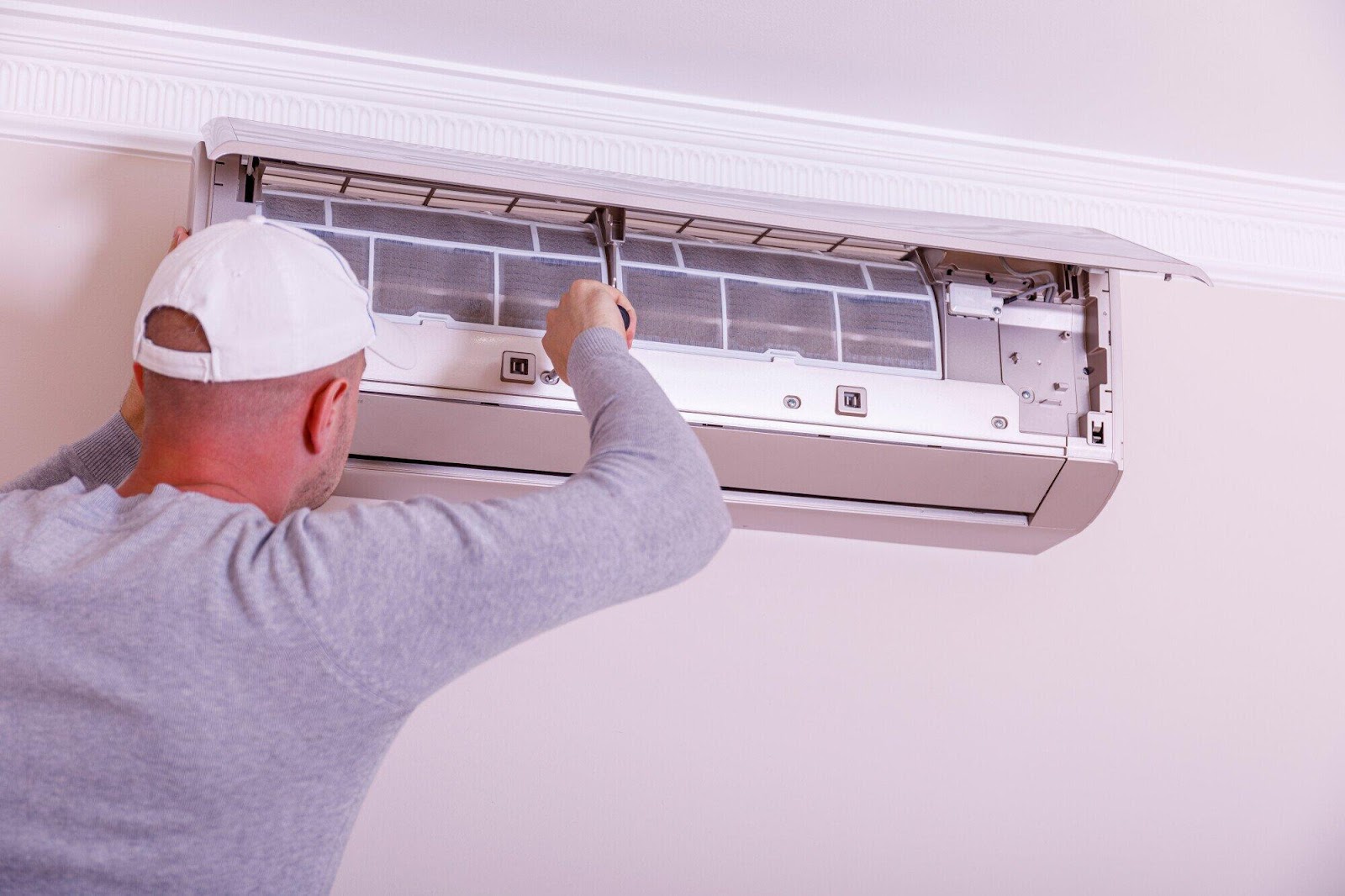
As the weather warms and flowers start to bloom, spring is the perfect time to give your home a seasonal refresh. While many homeowners focus on decluttering and deep cleaning, your air conditioning system should not be overlooked. An AC unit that has been idle during the winter months may have small issues that, if left unaddressed, could turn into expensive problems during the summer heat. Scheduling seasonal HVAC maintenance for homeowners ensures that your system runs efficiently and reliably when you need it most.
Check and Replace Air Filters
One of the easiest ways to keep your system running smoothly in the spring is by taking a look at your air filter. Over the winter months, it can fill up with dust, pet hair, and other debris, which makes it harder for air to move through your system.
Cleaning or replacing the filter helps improve your indoor air quality and keeps airflow steady, so your AC doesn’t have to work as hard. For most homes, swapping out the filter every one to three months is a simple habit that can make a big difference in comfort and system performance.
Inspect the Outdoor Unit
Your outdoor condenser unit works hard to release heat from your home. Leaves, branches, and dirt can build up around the unit during winter, reducing efficiency and increasing energy costs.
Clear the area around the unit and remove any debris. Make sure there is at least two feet of open space around the condenser to allow proper airflow. A clean and unobstructed unit ensures your AC can function at its best throughout the spring and summer months.
Test System Performance
Before the peak of summer arrives, turn on your AC and observe how it performs. Pay attention to the speed at which your home cools and listen for unusual sounds.
If the system struggles to reach the desired temperature or makes strange noises, it could indicate issues with airflow, the compressor, or the thermostat. Identifying these concerns early allows for timely repairs and prevents unexpected breakdowns.
Inspect Air Vents and Ductwork
Proper airflow is critical for both comfort and efficiency. Check that vents throughout your home are clean, unobstructed, and directing air effectively. Dust accumulation inside vents or minor duct leaks can reduce cooling efficiency and create uneven temperatures.
A professional inspection as part of residential HVAC maintenance for homeowners can reveal hidden issues like duct leaks, misaligned vents, or low refrigerant levels that may impact performance.
Clean Coils and Condensate Drains
The evaporator and condenser coils of your AC unit collect dirt over time, which can reduce the system’s ability to absorb heat. Cleaning the coils improves cooling efficiency and prevents unnecessary strain on the system.
Similarly, a clogged condensate drain can lead to water buildup and potential damage to surrounding areas. Ensuring the drain is clear prevents leaks and helps maintain proper humidity control in your home.
Optimize Thermostat Settings
Spring is a great time to take a closer look at your thermostat settings. If you’re still using an older manual model, upgrading to a programmable or smart thermostat can make things much easier. These newer options adjust automatically based on your daily routine, helping you save energy without giving up comfort.
Making sure your thermostat is set correctly also helps your AC run more efficiently. It keeps your home at a steady, comfortable temperature while avoiding extra energy use you don’t really need.
Schedule Professional Maintenance
Even with these DIY steps, nothing replaces a professional inspection. Licensed HVAC technicians can thoroughly evaluate your system, check refrigerant levels, tighten electrical connections, and identify worn components before they fail.
Regular seasonal maintenance extends the lifespan of your AC unit, prevents costly emergency repairs, and ensures your home remains comfortable during the hottest months.
Final Thoughts
Including your air conditioning system in your spring home refresh is a smart step toward comfort, efficiency, and reliability. By replacing filters, inspecting vents, cleaning coils, testing system performance, and scheduling seasonal HVAC maintenance for homeowners, you can prevent problems before they escalate. Preparing your AC ahead of summer ensures consistent cooling, lower energy costs, and peace of mind, making your home a welcoming retreat throughout the season.