
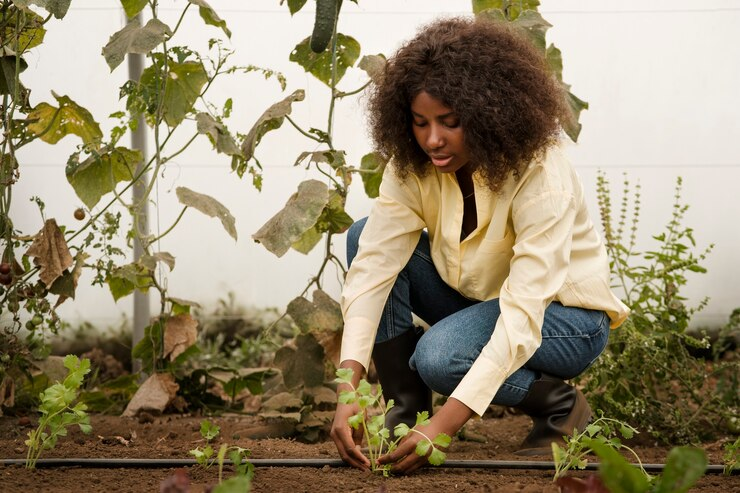
Spring is the perfect time to give your garden some love. As winter retreats, you can easily evaluate your garden’s state and prepare for the lush season ahead.
Turn your garden into a serene haven by adopting these simple steps to maintain your outdoor area in prime condition.
Assessing Winter Damage
With spring here, it is a good idea to check out how winter has treated your outdoor space. Take a stroll around and see if any plants got hit by the cold. Snap some pictures to document the damage. Make a note of which varieties need a trim or replacement.
Spotting these early can help avoid bigger problems later. Also, note how your garden is laid out so you can keep track of changes for next time. Watch out for any branches that can break and sort them out quickly.
Lastly, have a look at your outdoor furniture and tools to make sure they are still in good shape.
Preparing the Soil
Getting your plot ready for a great season starts with sorting out the soil. First, check the pH and nutrient levels. This tells you exactly what your garden requires to flourish.
Then, take a garden fork or a special tool to loosen the soil. Don’t skip this bit. Roots need air. Tight soil stops them from spreading.
Add compost next. Homemade stuff is fine, but shop-bought is good too. Compost feeds the soil and keeps moisture in, and also helps water drain out. Chuck in a bit of well-rotted manure if you have some. Plants love that too.
Let’s discuss soil types now. Got clay soil? Add sand or grit to help with drainage. Sandy soil? Add more compost to hold water.
Mix everything in well. Go over it a few times if needed. Do this early in spring. Not too late. Plants need time to settle in and get strong roots. That’s it. Once the soil’s right, you’re halfway there.
Pruning and Deadheading
Pruning is necessary for healthy, strong shrubs. After winter, you will find damaged branches that need trimming. Cut away dead or broken parts so the herb can focus on new growth. Keep your tools sharp and clean.
Furthermore, deadheading is helpful. Snip off old flowers so new ones can bloom, keeping your greenery bright and lively through spring and beyond.
Each shrub is unique, so check what each needs for pruning and deadheading. This keeps them looking great and healthy.
Avoid leaving cuttings scattered, as they can attract pests. Instead, compost the healthy ones to enrich your soil later.
Pruning and deadheading go beyond tidiness. They play a vital role in improving plant health, ensuring your space thrives as the new season begins.
Weed Control Tips
If you want to see your garden blossom, handle weeds promptly. Weeds steal nutrients and hinder the growth of your favourite plants.
Begin by lightly raking your soil. Follow up with a layer of mulch. It works as a barrier, reducing weed growth while improving soil quality as it breaks down. Consider using materials like wood chips or straw.
Damp soil makes it simple to pull the weeds up by the roots, preventing their return. For larger areas, a cultivator proves useful, but take care not to distribute seeds further.
If you have perennial plants, landscape fabric can transform your garden game. It filters water into the soil while blocking sunlight. This hinders their development but ensures your plants get the necessary moisture.
Fertilising for Growth
These are vital for plants, delivering the nutrients they need for lush and vigorous growth. Skipping on fertilisers will leave your garden lacking charm.
Picking the ideal fertiliser makes all the difference. Choices span organic and synthetic types. Organic ones, such as compost or bone meal, gradually nourish the soil. On the other hand, synthetic fertilisers, crafted in labs, deliver speedy outcomes.
Understand your soil’s needs before choosing a fertiliser. Carefully distribute it to protect both plants and the environment. The ideal fertilising period is early spring, coinciding with active growth.
Always follow the product instructions. When tackling larger areas, grab a spreader for even distribution. If gardening is new to you, chat with a local expert or consider a garden maintenance service. They’ll help simplify choosing the right product.
Remember, optimal fertilisation goes beyond simply meeting needs. It plays a key role in cultivating a thriving, beautiful lawn that stands out all year round.
Planting Seasonal Crops
To get a garden full of life in spring, pick flowers and vegetables that suit your area. Go for stuff that grows well where you live. Start off inside. Grab some seed trays. Fill them with the right type of soil. Remember, it must not be too wet and not too dry.
If you want to move them outside later, sort the beds first. Loosen the soil with a fork and add compost. This feeds the roots and helps them grow strong. Don’t cram too many plants together. Give each one space. Crowded beds lead to mould and other nasty stuff.
Check the average frost dates in your area to protect crops from cold snaps. Timing is everything. Look at labels or consult guides to ensure proper spacing.
Embarking on this path will not only yield a visually appealing space, but it will also unlock a bountiful harvest throughout spring.
Creating a Maintenance Schedule
Crafting a maintenance schedule works wonders to keep your environment in tip-top shape. Plan weekly or monthly tasks such as watering, weeding, and fertilising.
A calendar or gardening app can be useful for setting reminders for seasonal jobs, so nothing gets missed.
Keeping an eye on plant growth is key, too. By noticing changes, you can adjust your care to give each one what it needs. Regular check-ins let you add fertilisers or tackle pests just when needed, based on how your greenery looks.
Conclusion
Keeping a spring garden looking great requires some effort, but it is absolutely worth it.
Begin by addressing any winter damage, preparing the soil, and ensuring regular watering. To keep your plants healthy, be alert for diseases and pests.
Besides making your outdoor area look better, these steps will save time, money, and energy in the long run.