
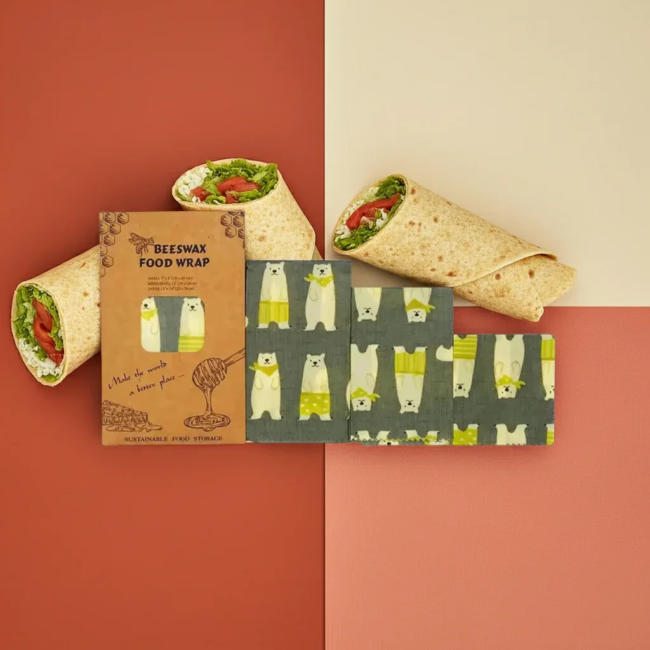
Plastic wrap has long been a staple in kitchens around the world. It’s quick, familiar, and seemingly convenient. Yet behind that convenience lies a growing environmental problem. Single-use plastics contribute significantly to landfill waste, ocean pollution, and microplastic contamination. As more people seek sustainable alternatives for everyday living, reusable beeswax food wraps have emerged as a practical, eco-friendly replacement that aligns with modern values of responsibility and conscious consumption.
The Environmental Cost of Plastic Wrap
Traditional plastic wrap is designed for short-term use but leaves a long-term impact. Once discarded, it can take hundreds of years to decompose. Much of it cannot be recycled due to food contamination and its thin structure, meaning it often ends up in landfills or waterways. Over time, plastic breaks down into microplastics that infiltrate ecosystems and food chains, posing risks to wildlife and human health.
Reducing reliance on disposable plastics is one of the simplest ways households can lower their environmental footprint. Reusable food storage solutions play a key role in this transition, and beeswax food wraps offer an effective and accessible option.
What Are Reusable Beeswax Food Wraps?
Reusable beeswax food wraps are a natural alternative to plastic wrap, typically made from organic cotton infused with beeswax, tree resin, and plant-based oils such as jojoba oil. This combination creates a flexible, breathable material that can be molded around food or containers using the warmth of your hands.
Unlike plastic, beeswax wraps allow food to breathe while still providing a protective seal. This balance helps preserve freshness without trapping excess moisture, which can accelerate spoilage.
How Beeswax Food Wraps Work
Using beeswax wraps is simple and intuitive:
- Place the wrap over food or a bowl
- Use your hands to gently warm and shape it
- Allow it to cool slightly to hold its form
They can be used to wrap fruits, vegetables, cheese, bread, herbs, and sandwiches, or to cover containers and bowls. After use, they can be washed with cool water and mild soap, air-dried, and reused again and again.
With proper care, a single wrap can last up to a year, replacing dozens of rolls of disposable plastic wrap over its lifetime.
Benefits That Go Beyond Sustainability
While their environmental advantages are clear, reusable beeswax food wraps also offer several everyday benefits that make them a favorite among eco-conscious households.
1. Reduced Waste
By replacing single-use plastic, beeswax wraps help minimize household waste and support a low-waste or zero-waste lifestyle.
2. Food Freshness
Their breathable nature helps keep food fresher for longer compared to airtight plastic, especially for produce and baked goods.
3. Natural Antibacterial Properties
Beeswax naturally inhibits bacterial growth, making it a hygienic choice for food storage when used and cleaned correctly.
4. Cost-Effective Over Time
Although the initial purchase cost may be higher than plastic wrap, reusability means long-term savings and fewer repeat purchases.
5. Versatile and Stylish
Available in a variety of sizes and patterns, beeswax wraps add charm and personality to kitchens while serving multiple storage needs.
Safe, Non-Toxic, and Family Friendly
Reusable beeswax food wraps are made from natural materials and contain no harsh chemicals, PVC, or BPA. This makes them a safer option for families seeking to reduce chemical exposure in their kitchens. They are especially appealing to those who prioritize natural living and sustainable home products.
However, they are not recommended for raw meat or fish due to cleaning limitations, making them best suited for fruits, vegetables, baked goods, and cooked foods.
End-of-Life: Designed to Return to Nature
One of the most appealing aspects of beeswax wraps is what happens when they eventually wear out. Instead of becoming waste that lingers for centuries, they are biodegradable and compostable. When a wrap reaches the end of its usable life, it can be cut into strips and added to compost or used as a natural fire starter.
This closed-loop lifecycle reflects thoughtful design and responsible manufacturing—values increasingly important to today’s consumers.
A Small Change With a Big Impact
Switching to reusable beeswax food wraps may feel like a small adjustment, but the cumulative impact is powerful. Every roll of plastic wrap avoided reduces demand for petroleum-based materials, lowers waste production, and contributes to healthier ecosystems.
More importantly, these everyday choices help build sustainable habits. When eco-friendly solutions are practical, attractive, and effective, they’re easier to adopt—and stick with.
Conclusion
Reusable beeswax food wraps are more than just a trend. They represent a shift toward mindful living, where functionality meets sustainability. By offering a natural, reusable, and biodegradable alternative to plastic wrap, they empower households to reduce waste without sacrificing convenience.
Saying goodbye to plastic doesn’t require drastic lifestyle changes—just smarter choices. Reusable beeswax food wraps prove that sustainability can be simple, beautiful, and genuinely useful. Once you make the switch, it’s hard to imagine going back.