
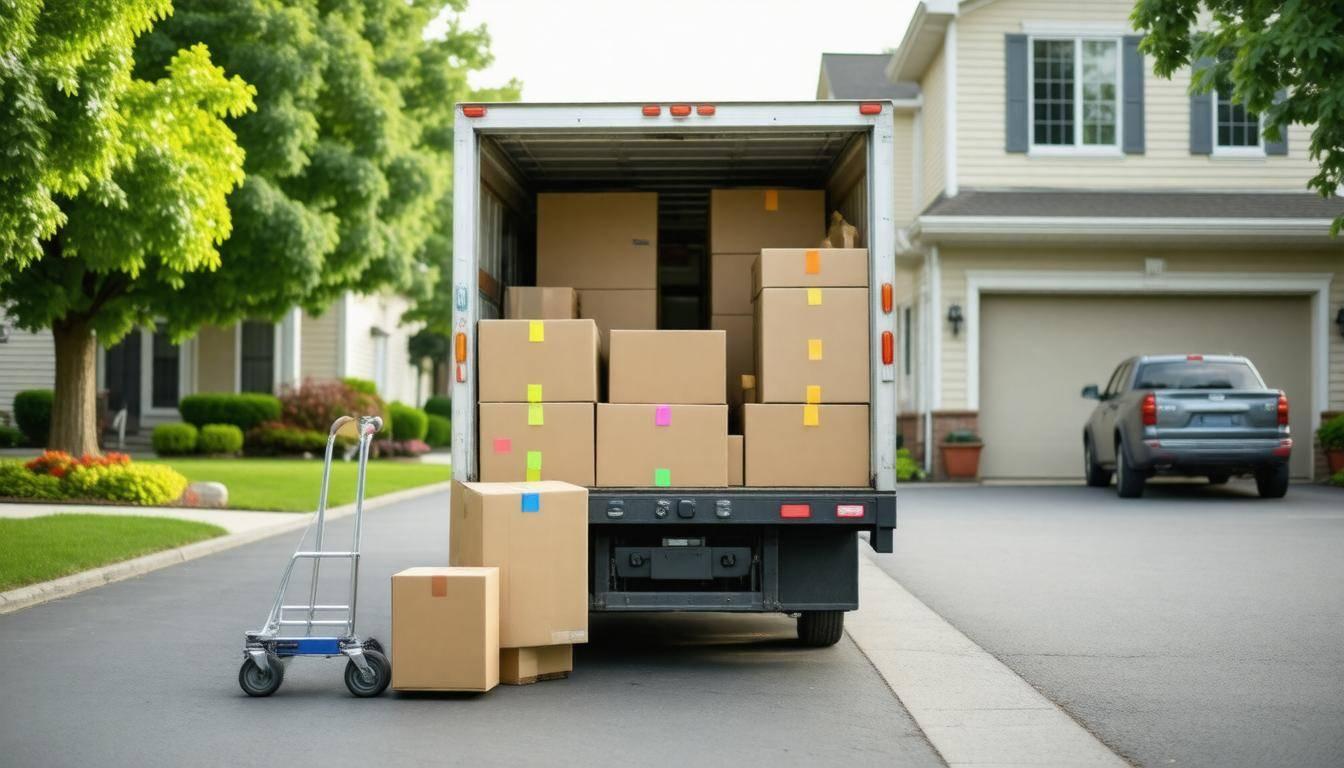
There’s a difference between moving somewhere and actually settling in. Plenty of people pack up and relocate to a quieter area, only to spend the next six months living out of boxes and wondering why the house still feels like someone else’s. It happens more than you’d think, especially when the move is a big shift, like going from a city or suburb to a small mountain town where the pace, the space, and even the air feel different. The house is just the starting point. Making it feel like yours takes a little more intention than most people expect.
And this kind of move is happening a lot right now. Research from the University of Virginia’s Cooper Center found that migration into rural counties has stayed well above pre-pandemic levels, driven in large part by remote work flexibility. People who used to be tied to a metro area office now have the option to live wherever they want, and a growing number are picking places with mountains, lakes, and room to breathe. That shift is real. But there’s a gap between choosing a place on a map and actually feeling at home once you get there.
The Move Itself Sets the Tone
Here’s something people overlook: how the move goes affects how the first few weeks in a new place feel. A chaotic, disorganized moving day bleeds into a chaotic first month. Boxes piled in the wrong rooms, broken items you didn’t wrap well enough, furniture that won’t fit through the doorway of a house built in 1940. Mountain towns often mean narrow roads, steep driveways, and older homes with tight hallways. All of that matters when your stuff is on a truck. Working with experienced local movers who know the area can save you from a lot of headaches that people don’t think about until they’re standing in a gravel driveway watching their couch get stuck on a porch railing.
It sounds like a small detail, but starting your new chapter in a house where everything is in the right place, nothing’s damaged, and you can actually sit down and eat dinner that first night? That changes the whole vibe.
Your Old Layout Probably Won’t Work Here
One of the most common mistakes people make after moving to a mountain town is trying to recreate the home they left. The open-concept apartment layout doesn’t translate to a cabin with separate rooms and low ceilings. That oversized sectional from the old living room might overwhelm a smaller den. And the lighting situation is completely different when you’ve got tree cover and shorter winter days instead of floor-to-ceiling windows facing a parking lot.
So instead of forcing your old setup into a new space, work with what the house gives you. Mountain homes tend to have more character. Odd corners, built-in shelving, wood paneling that’s either charming or needs paint depending on your taste. Lean into the quirks. A reading nook under the stairs, a mudroom that doubles as a drop zone for hiking gear, a kitchen window that frames a ridgeline. Those are features you’d never get in a subdivision.
Spend a week or two just living in the space before you commit to furniture placement. See where the light hits in the morning. Figure out which room stays warmest. Let the house tell you how it wants to be used.
Small Towns Run on Different Infrastructure
This is the part that catches people off guard. If you’ve lived in or near a city your whole life, you’re used to same-day delivery, a hardware store ten minutes away, and a plumber who can come out tomorrow. In a place like Oakland in Garrett County, Maryland, things work a little differently. The nearest big box store might be 45 minutes away. Contractors book out weeks in advance. And some services simply don’t exist locally, which means you either learn to do it yourself or plan ahead.
That’s not a complaint. It’s just how it works, and knowing it in advance makes the adjustment smoother. Build a relationship with the local hardware store. Ask your neighbors who they call for plumbing and electrical work. Stock up on basics like weather stripping, caulk, and spare parts for things that break at inconvenient times. In a mountain town, self-sufficiency isn’t a lifestyle trend. It’s Tuesday.
Make the Outside Part of Your Home
If you moved to a mountain town and you’re only decorating the inside, you’re missing half the point. The outdoor space is your biggest asset, and it doesn’t need to be fancy. A porch with a couple of solid chairs and a side table. A firepit area with seating for guests. A cleared patch of yard where you can watch the sunset without a building in the way. These aren’t home improvement projects with huge price tags. They’re small additions that make your daily life better.
And think about storage for the outdoors, too. Mountain living means gear. Boots, rain jackets, firewood, maybe kayaks, or ski equipment depending on the area. A mudroom or enclosed porch with proper hooks, shelves, and boot trays will keep your interior cleaner and your sanity intact. A garage or shed with some basic organization goes a long way when you’re living in a place where the seasons actually demand different stuff.
It Takes Longer Than You Think
Settling into a mountain town isn’t a weekend project. It takes a full cycle of seasons before the house and the place start to feel like they belong to you. You need to experience the first snowfall from that living room, the first summer morning with the windows open, the way fall light changes the color of everything around you. That’s when a house stops being “the new place” and starts being home.
Don’t rush it. Hang the art when it feels right. Paint the bedroom when you’ve decided what color actually fits the mood. Buy furniture as you figure out what you need, not what you think the room should have. The best homes aren’t the ones that get finished fastest. They’re the ones that grow around the life happening inside them.