
Los Angeles is a massive, high-energy city in Southern California, stretching from the Pacific coastline to the foothills of the San Gabriel Mountains, and it’s widely known as the heart of the U.S.
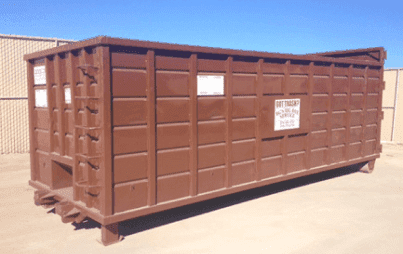
Los Angeles is also a place where construction, home renovations, and large-scale events happen constantly across both residential and commercial areas, which is why services like Rental Dumpster are often essential for keeping cleanup fast, organized, and hassle-free.
When working with a dumpster rental company in L.A., you must comply with Environmental Protection Agency (EPA) guidelines and landfill restrictions. Remember not everything can go inside. While most household junk, yard waste, and construction debris are allowed, hazardous chemicals, electronics, tires, and medical waste are typically prohibited.
In this article, let’s understand which materials we can dispose of and which ones we can’t.
Common Materials You Can Dispose Of
Most household junk is allowed in a rental dumpster. This includes furniture, non-hazardous household clutter, toys, clothing, and general trash. These items are typically accepted at municipal landfills without special handling.
Construction and renovation debris is also commonly permitted. Materials like drywall, wood, flooring, cabinets, siding, and roofing shingles are usually acceptable. Concrete, bricks, and asphalt may also be allowed, though sometimes only in specific “heavy debris” dumpsters.
Yard waste is often approved as well. Branches, leaves, grass clippings, and small tree limbs can typically be placed in a dumpster. Some regions require yard waste to be separated for composting, so always confirm with your rental provider.
Appliances may be allowed, but conditions often apply. Refrigerators, air conditioners, and freezers may require special handling due to refrigerants regulated under federal law. Always ask your rental company before disposing of large appliances.
Materials That Are Typically Prohibited
Hazardous waste is strictly prohibited in rental dumpsters across the United States. This includes chemicals, pesticides, motor oil, paint thinners, solvents, and cleaning agents. These materials require specialized disposal under EPA regulations.
Batteries and electronics are also commonly restricted. Items such as laptops, televisions, cell phones, and lithium-ion batteries contain components that can be dangerous in landfills. Many states have e-waste recycling programs instead.
Tires are generally not allowed in dumpsters. Landfills often prohibit tires because they can trap air and damage landfill liners. Auto shops and recycling centers usually accept tires for proper disposal.
Medical waste and biohazard materials are strictly prohibited. This includes needles, syringes, medications, and contaminated medical supplies. These materials require disposal through licensed medical waste providers.
Items That May Have Restrictions
Mattresses are sometimes accepted but may carry additional fees. Many landfills charge extra because mattresses are difficult to compact and take up significant space. Some areas require mattress recycling instead.
Paint can be confusing because rules vary by state. Fully dried latex paint is often acceptable, but liquid paint is usually prohibited. Oil-based paints are considered hazardous and must be taken to designated facilities.
Propane tanks and fuel containers are typically prohibited. Even empty tanks can explode if crushed. Many hardware stores or recycling centers provide proper return or disposal options.
Why Following the Rules Matters
Improper disposal can result in extra charges from your dumpster rental company. If prohibited materials are found, the company may add contamination fees or refuse pickup. In serious cases, local authorities may issue fines.
Environmental protection is another key reason to follow guidelines. Hazardous materials can contaminate soil and groundwater when sent to landfills. Responsible disposal helps protect communities and natural resources.
Safety is equally important during transport and processing. Certain materials can ignite, leak, or release toxic fumes inside collection trucks. Following disposal rules reduces risks to sanitation workers and the public.
How to Stay Compliant
Always review your rental agreement before loading the dumpster. Most companies provide a detailed list of accepted and prohibited items. When in doubt, contact the rental provider directly for clarification.
Plan ahead if your project includes materials that may require separate disposal. Sorting items before loading saves time and prevents accidental contamination. A little preparation can help you avoid costly mistakes.
Key Takeaways
- Most household junk, construction debris, and yard waste are allowed in rental dumpsters.
- Hazardous waste, chemicals, batteries, tires, and medical waste are typically prohibited.
- Some items like mattresses, appliances, and paint may have special restrictions.
- Violating disposal rules can lead to fines, extra fees, or environmental damage.
- Always confirm acceptable materials with the dumpster rental company in L.A. before loading.