
You see them popping up everywhere now. Big log buildings. Not just homes anymore. Restaurants. Lodges. Retail shops. Office spaces even. There is something about commercial log construction that turns heads. It feels warm. It feels welcoming. It stands out from all the boring strip malls.
But here is the thing. Building on this scale is different. It is not just a bigger version of a cabin. You have rules to follow. You have codes to meet. You have people flowing through every day. The stakes are higher. The details matter more. Get it right and you have a landmark. Get it wrong and you have a headache.
Starting Smart Before You Break Ground
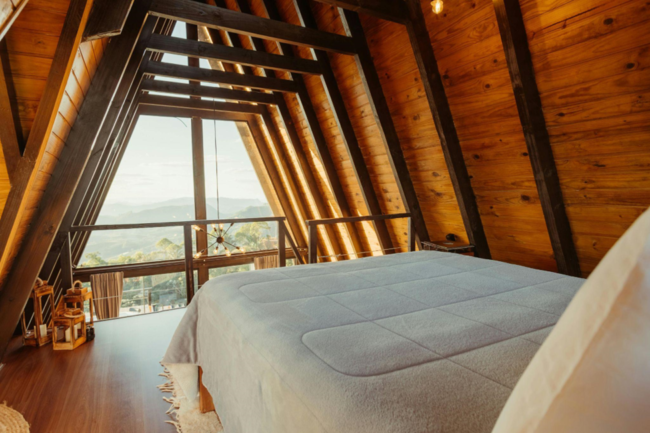
You cannot wing it with commercial builds. The planning phase is everything. This is where you figure out flow. You figure out capacity. You figure out where the bathrooms go and how the kitchen connects. Smart designers spend hours studying successful commercial log floor plans before they draw a single line. They look at what works. They steal the good ideas. They avoid the obvious mistakes.
Traffic patterns matter here. Where do people enter? Where do they order? Where do they sit? Every step should feel natural. If guests have to hunt for the counter or circle back to find a seat, you lose them. Good planning fixes that before day one.
Thinking About People, All of Them
A commercial space has to work for everyone. Not just the average person. Everyone. Wheelchairs need room to turn. Parents need space for strollers. Older folks need stable handrails and good lighting. Log buildings can feel rustic and rugged. That is their charm. But they must also be accessible.
Wide doorways are non-negotiable. Smooth transitions between rooms matter. Ramps should blend in, not stick out like an afterthought. The best commercial log projects hide these necessities beautifully. You do not notice the accessibility features. You just notice that the space feels easy. That is the goal. Welcome all. Exclude none. Make it look good doing it.
The Heavy Stuff Nobody Sees
Logs are heavy. Like really heavy. A commercial building uses massive timbers. They carry tremendous weight. That means the foundation underneath must be serious business. Engineers lose sleep over this. Soil tests. Concrete footings. Proper drainage.
You cannot skimp here. If the ground shifts, logs shift. If logs shift, walls crack. If walls crack, doors jam and windows bind. Suddenly your beautiful building is a nightmare. The smart money goes underground first. Pour good concrete. Let it cure properly. Add reinforcement where needed. The pretty part comes later. But the strong part comes first. Always.
Fire and Sound and Everything Between
Commercial buildings face rules homes do not. Fire codes get strict. Sprinklers become required, not optional. Egress paths must be clear. Exit signs must glow. Log construction handles fire surprisingly well. Big timbers char on the outside. They hold their strength inside. That buys time. Time for people to get out. Time for firefighters to arrive.
But you still need plans. You still need alarms. Sound is another beast. Open log interiors echo like crazy. All that wood bounces noise around. Restaurants become roar zones. Offices become distractions. Smart designers add soft surfaces. Rugs on floors. Fabric on furniture. Panels on ceilings. They tame the echo. They keep conversations comfortable.
Mechanical Systems Need Clever Hiding
Here is the ugly truth. Log walls are terrible for hiding stuff. Wires. Pipes. Ducts. Vents. You cannot just run them inside like drywall. They have to go somewhere visible. Or they have to be hidden very creatively. Commercial buildings need lots of mechanicals. Bathroom vents. Kitchen hoods. Heating and cooling. Electrical for days.
The best log projects embrace this challenge. They use soffits and chases. They build false beams that hide ductwork. They run conduit along backs of timbers and call it industrial style. They plan every single penetration before the logs arrive. Drilling after the fact is a nightmare. Measure twice. Hide everything. Thank yourself later.
Durability Against the Crowds
Homes get gentle treatment. Commercial spaces do not. People bump walls with luggage. Kids drag chairs across floors. Spills happen constantly. Boots scuff every surface. Your log building must survive all of it. Choose wood species known for hardness. Oak. Douglas fir. Cypress. They resist dents better than soft pines.
Finishes matter too. Clear coats wear thin in high-traffic spots. Consider penetrating oils instead. They soak into the wood. They protect from within. They refresh easily with a quick reapplication. Flooring takes the worst beating. Stone or tile in entry zones saves the logs. Put the pretty wood where people look, not where they walk. Smart sacrifice.
Light and Warmth and Vibe
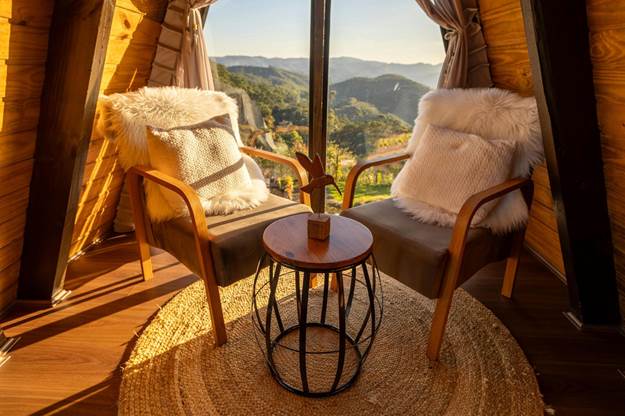
Commercial log spaces can feel dark. All that wood absorbs light. You need windows everywhere. You need skylights in dark corners. You need artificial light that mimics the sun. Warm tones work best. Cool white bulbs fight the wood. They make everything look muddy. Aim for soft gold instead. It makes the logs glow. It flatters faces. It invites people to stay longer.
In restaurants, longer stays mean bigger checks. In retail, warmer light means more browsing. In lodges, cozy light means return visits. Light is not just practical. It is profit. Spend money on good fixtures. Place them thoughtfully. Let your logs shine without shadows.
Making It Last for Generations
A commercial log building is an investment. Not just for now. For decades. The best ones outlive their builders. They become landmarks. They become the place everyone recommends. That takes maintenance. That takes planning. Rain sneaks in where roofs meet walls. Sun fades wood on south-facing sides. Bugs look for cracks and crevices.
A good design plans for all of it. Wide overhangs protect walls. Deep porches shade the glass. Easy access to upper logs makes resealing simple. Build with the future in mind. Your building will thank you. So will the people who take care of it long after you are gone. That is the legacy. That is the goal. Build something worth keeping.