
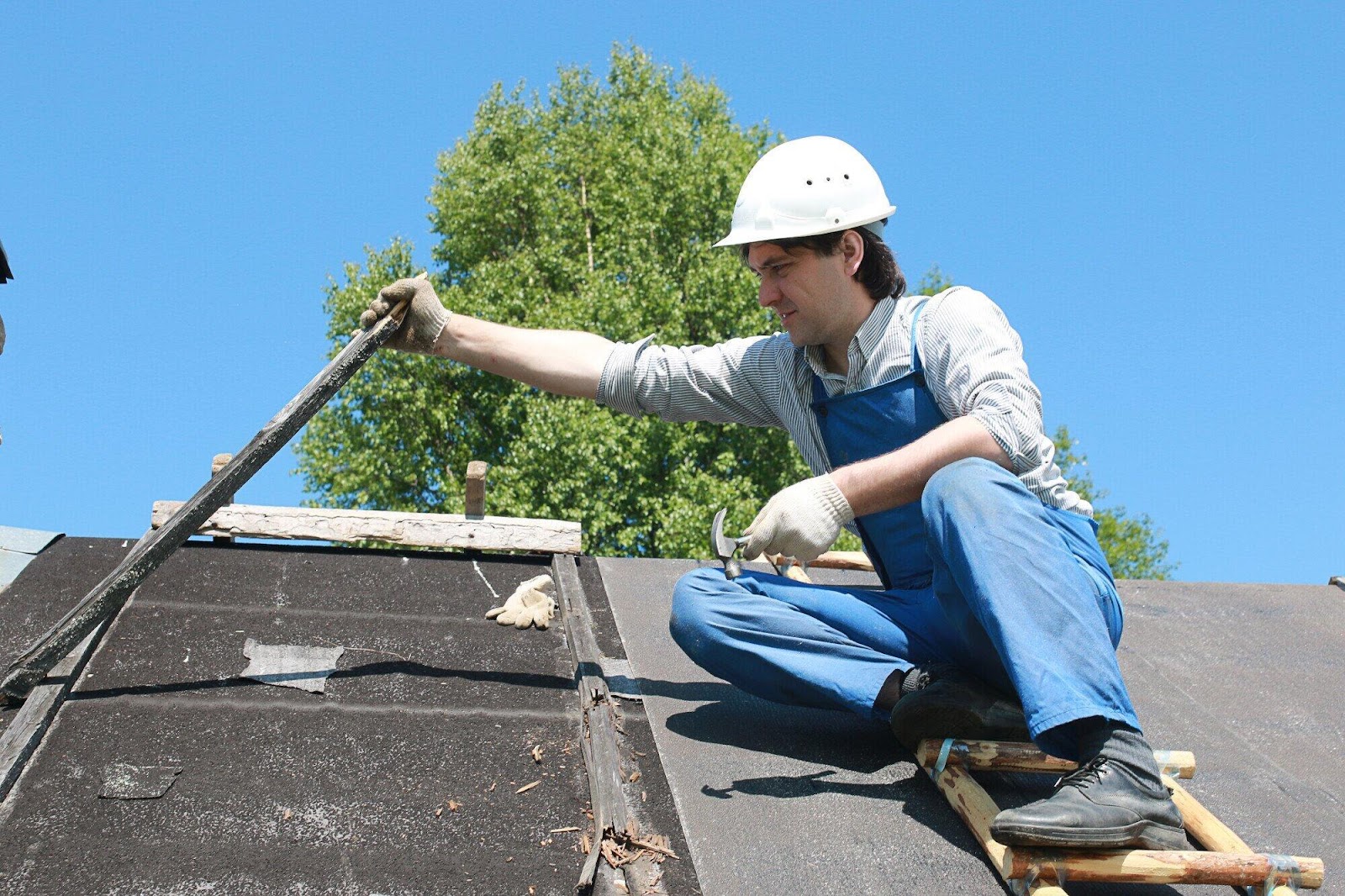
As the vibrant colors of spring begin to return to the Ozarks, homeowners often find themselves assessing the aftermath of a long, unpredictable winter. Between the heavy ice loads and the fluctuating temperatures unique to Northwest Arkansas, your home’s first line of defense likely took a beating, making it the perfect time to evaluate the state of your roofing Fayetteville, AR, to ensure your property remains protected throughout the upcoming storm season. When temperatures swing from freezing to humid, materials constantly expand and shrink, which eventually pulls at your flashing and dries out old sealants. To see how these cycles damage materials, check out research on polymer degradation—it shows why shingles get brittle and lose flexibility. Once they’re brittle, spring winds easily snap or lift tabs. Start your recovery by walking the yard to check for shingle grit in the gutters or “balding” spots on the roof.
Common Roofing Types In Fayetteville
Fayetteville homes use a mix of roof styles, each with its own price tag and lifespan. Most folks here go with asphalt shingles because they’re cheap and come in plenty of colors. Upgrading to architectural shingles gives you better wind protection, but big hail can still knock the grit off and wear them down. Lately, more people are switching to metal—it’s tough, handles rain well, and easily lasts 40 years. For high-end or historic homes, slate and tile are the gold standard for longevity, but they’re heavy enough to need extra structural support.
How Fayetteville’s Climate Affects Roof Performance
Local climate patterns shape which problems are most likely to show up and when. Fayetteville sees a mix of cold snaps, rain-heavy winters, and warm, humid summers that stress even the best materials. This creates a high demand for quality roofing services as homeowners deal with the fallout of freeze-thaw cycles. Beyond the thermometer, local pests and vegetation pose a constant threat. Moss and algae thrive in shaded, damp areas common under the overhanging oaks of our older neighborhoods. According to architectural research regarding sustainable urban infrastructure, maintaining proper drainage is the single most effective way to prevent premature structural rot. Removing overhanging branches and ensuring your attic ventilation is clear will significantly reduce the risk of mold growth during the damp spring months.
Professional Standards and Local Compliance
Picking a good contractor is just as important as the materials—a cheap roof put on right is better than a fancy one installed poorly. Always check that they have their Arkansas licenses and insurance, like workers’ comp and liability. It’s smart to get three written quotes so you can see how labor and permit fees stack up. Keep in mind that Fayetteville requires permits for most roof work; following the rules now saves you from major headaches or legal snags when you eventually sell the house. If you are filing an insurance claim for storm damage, ensure your contractor is experienced in documenting hail strikes and wind uplift to streamline the adjustment process.
Maintenance and Long-Term Value
A proactive maintenance plan stretches a roof’s life and reduces the likelihood of a “catastrophic” surprise expense during a midnight downpour. The most common signs that your roofing in Fayetteville, AR, needs professional attention include water stains on ceilings, granules accumulating at the base of downspouts, or visible sagging in the roof deck. Investing in high-quality underlayment and improved ridge ventilation during a replacement can add years to the system’s lifespan. By keeping gutters clear and addressing minor flashing leaks immediately, you prevent the underlying wood from rotting, which is often the most expensive part of a major renovation.
Conclusion
Preparing your home for the year ahead involves matching the right materials to the Ozark climate and choosing a partner who understands the nuances of local weather patterns. Whether you’re saving up for a full tear-off or just need to patch a few spots from winter, getting it done now keeps your place dry and solid for whatever the next season throws at us.