
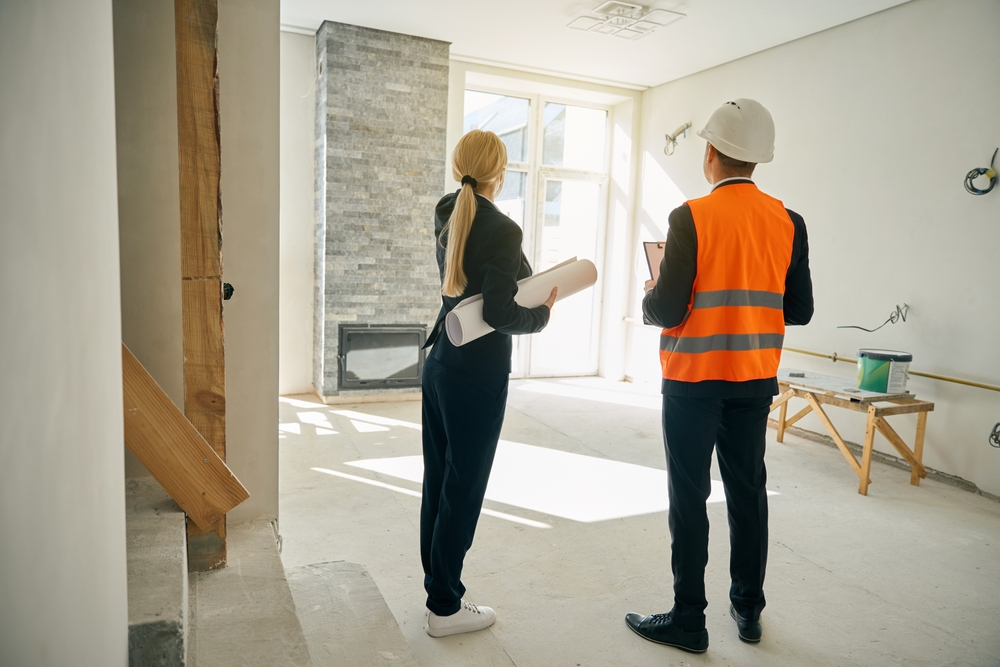
Walk into a beautifully remodeled home in 2026, and your eyes will naturally gravitate toward the high-end finishes: the book-matched marble waterfall island, the frameless fluted glass showers, or the warmth of rift-sawn white oak cabinetry. These are the hallmarks of modern luxury.
But what you won’t notice is arguably more important. Behind those pristine walls lies a sophisticated network of “invisible upgrades” that are quietly transforming how the home lives, breathes, and responds to its inhabitants.
We have officially entered the era of invisible smart remodeling. In this new landscape, technology is no longer an add-on; it is an integrated component of craftsmanship. Leading the charge in this transition are specialized firms like RemodelingHN, who have shifted the focus from cosmetic beauty alone to a holistic approach where “smart infrastructure” is prioritized during the structural phase of every renovation.
The Paradigm Shift: From “Gadget Fatigue” to Smart Infrastructure
For the past decade, a “smart home” was defined by visible clutter: plastic cameras stuck to eaves, bulky hubs on countertops, and glowing touch panels mounted on every wall. However, by 2026, homeowners have developed “gadget fatigue.” They want the benefits of a connected home without the visual noise.
The conversation has shifted. Homeowners are no longer asking, “Which voice assistant should I buy?” Instead, they are asking, “How can we future-proof our home while the walls are already open?”
This fundamental change has redefined the remodeling process. Forward-thinking contractors are now integrating:
- Hidden Network Wiring: Replacing spotty Wi-Fi with dedicated Cat6a or fiber-optic backbones.
- Pre-installed Sensor Conduits: Allowing for future AI upgrades without ever cutting into drywall again.
- In-Wall Smart Lighting Systems: Moving dimmers and processors to a central closet for a “clean wall” aesthetic.
- Integrated Climate Zoning: Using hidden motorized dampers to ensure every room is the perfect temperature.
- Structured Data Panels: A central “brain” for the house that stays organized and accessible.
Why 2026 is the Turning Point for “Hidden Tech”
Several economic and technological forces have converged to make this the year of invisible upgrades:
1. AI-Driven Homes are the New Standard Artificial Intelligence has moved from novelty to necessity. Modern AI-powered climate control and lighting systems require low-latency, hardwired connections to function reliably. A kitchen remodeled today without this infrastructure will feel functionally obsolete within three years.
2. Real Estate Value is Tied to “Smart Readiness” In high-growth markets, particularly in Texas, buyers are becoming tech-literate. They are checking the mechanical room before the master closet. They want to know: Is the home wired for automated shades? Are there leak detection sensors behind the custom vanities? Invisible infrastructure provides a massive ROI (Return on Investment) because it’s expensive to retrofit but affordable to install during a remodel.
3. The “One-Wall-Opening” Rule Homeowners are realizing that the most expensive part of technology isn’t the device—it’s the labor of opening and repairing walls. The “One-Wall-Opening” philosophy dictates that if a wall is down for a kitchen or bath renovation, it is a missed financial opportunity not to run low-voltage wiring and smart conduits.
Kitchens: The Command Center Without the Clutter
The 2026 kitchen is a high-tech laboratory disguised as a minimalist sanctuary. While the design remains timeless, the functionality is hyper-modern. Through the expertise of firms like RemodelingHN, homeowners are now integrating:
- Motion-Activated Task Lighting: Concealed LED channels with sensors hidden in the cabinetry toe-kicks.
- Inductive Charging Surfaces: Wireless charging integrated directly underneath the stone countertops—no cords, no pads, just magic.
- Hidden Wi-Fi Boosters: Discreetly tucked inside custom cabinetry to ensure the “heart of the home” has zero dead zones.
- Smart Appliance Circuits: Pre-wired 220V lines and data ports hidden behind custom panels, ready for the next generation of AI-enabled ovens and refrigerators.
Bathrooms: The Invisible Spa Experience
Bathrooms have evolved into “Wellness Centers,” where comfort is powered by what you can’t see. Luxury in 2026 is subtle and automated. Imagine:
- Heated Flooring with Predictive Sensors: Systems that learn your morning routine and warm the tiles 10 minutes before you wake up.
- In-Wall Moisture Detection: Silent sensors that detect a slow leak behind the shower tile before it becomes a $20,000 mold problem.
- Integrated Humidity Management: Exhaust fans that activate based on air quality and steam density, hidden behind minimalist grilles.
- Smart Mirror Infrastructure: Pre-wiring for mirrors that can display health metrics or provide studio-grade lighting for video calls.
The Texas Influence: Why Plano and Frisco Lead the Trend
The demand for invisible smart remodeling is particularly high in North Texas. Communities in Plano, Frisco, and the greater Dallas area are seeing a surge in “Luxury Intelligence.” Homeowners here value the combination of traditional Texas craftsmanship and cutting-edge functionality.
They are looking for partners who understand that a renovation isn’t just about picking the right tile—it’s about engineering a home that lasts for decades. This is why the integrated approach used by RemodelingHN has become the gold standard. By coordinating the plumbing, electrical, and tech-infrastructure teams under one vision, they ensure that the “invisible” parts of the home are as precise as the finish carpentry.
Sustainability and Silent Performance
Beyond convenience, invisible upgrades are the primary drivers of home efficiency. Structured smart wiring allows for:
- Zoned HVAC Optimization: Only cooling the rooms you are actually using, based on occupancy sensors.
- Automated Lighting Schedules: Reducing energy consumption by aligning with natural circadian rhythms.
- Phantom Load Reduction: The ability to “kill” power to non-essential devices through smart breakers when the home is in “Away” mode.
Conclusion: Designing for “What’s Next”
If you are planning a renovation in 2026, the most important question isn’t “What color will the cabinets be?” but rather “What will this home be ready for?”
Invisible upgrades don’t compete with your interior design; they protect it. They ensure that your home remains a sanctuary of peace rather than a graveyard of outdated gadgets. By investing in the bones of the home today, you are creating a space that is timeless in beauty and limitless in capability.
True luxury isn’t a screen on your refrigerator. True luxury is a home that anticipates your needs, protects your investment, and stays out of your way.