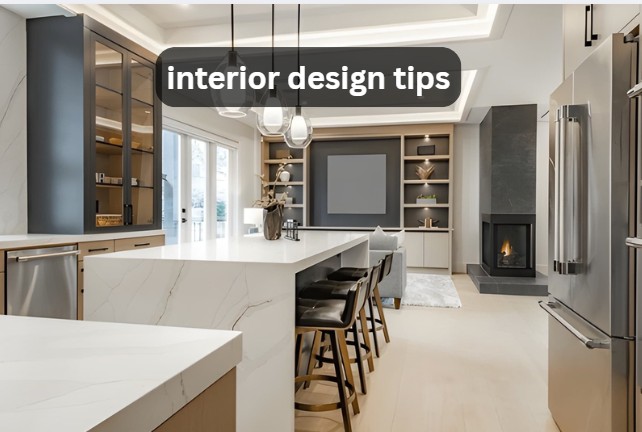
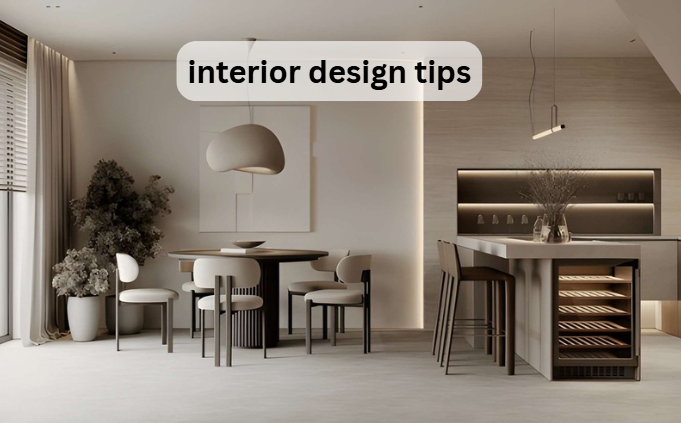
Your home does not need a full renovation to feel better. Small changes can make a big difference. Many people think they need a big budget or a designer to improve their space. That is not true. With the right interior design tips, you can change how your home looks and feels in a simple way.
Good lighting can improve your mood. The right colors can make a room feel larger or more comfortable. This guide shares practical interior design tips that you can use right away. These ideas are simple, easy to follow, and work for most homes in the United States. You will learn how to improve space, lighting, color, and furniture without making things complicated. Each tip focuses on real use, not just looks.
If you want your home to feel better without spending too much, these interior design tips will help you get there step by step.
Use Light to Change the Feel of Your Space
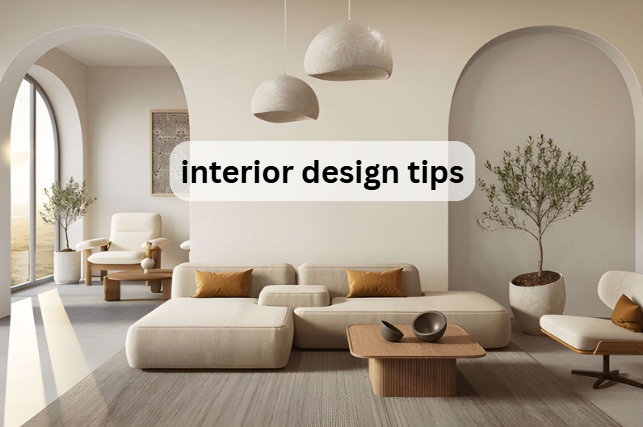
Light has a strong effect on how a room feels. Many homes do not use lighting in the right way. They depend on one ceiling light, which makes the space flat and dull. Good lighting should come from different sources.
Start by using natural light. Keep windows clear. Avoid heavy curtains if possible. Light fabric works better because it lets sunlight pass through. Each one adds a different effect. Warm light feels calm. White light feels bright and clean. Choose based on how you use the room.
These interior design tips are simple but powerful. A bedroom can feel relaxing with soft light near the bed. Even a kitchen looks better with under cabinet lights.
One helpful source for practical ideas is home tips. It focuses on small changes that improve daily living.
Good lighting does not need to cost a lot. It just needs the right placement and balance.
Choose Colors That Match the Room Size.
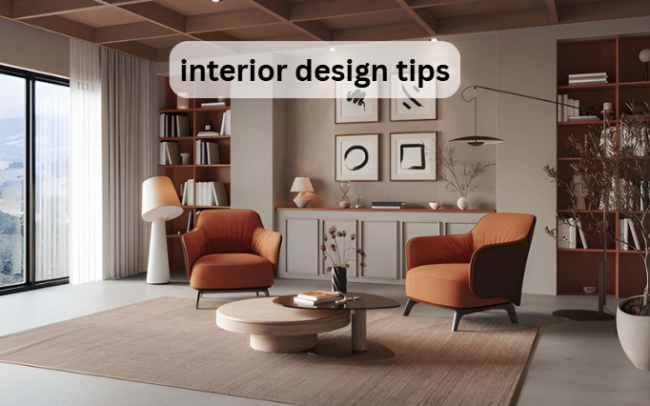
In smaller homes, soft shades like white, cream, or light gray work well. They reflect light and create a sense of space. In larger rooms, deeper colors can add comfort.
These interior design tips focus on balance. Color should not overwhelm the room. It should support it.
Accent walls can help if you want some contrast. One wall in a deeper shade can add interest without making the room heavy.
Furniture and decor should match the color plan. If your walls are light, darker furniture can create a nice contrast. Many people follow trends, but trends change fast.
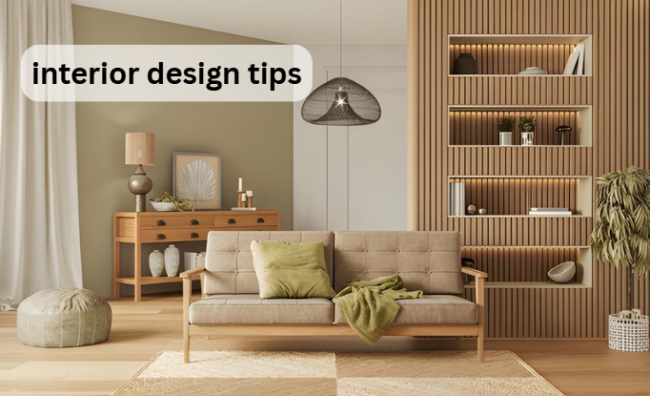
Arrange Furniture for Better Movement
Furniture placement matters more than people think. A room may have good furniture, but if it is placed wrong, it feels uncomfortable.
There should be clear paths. Avoid blocking doors or walkways. Instead, bring some pieces closer together to create a natural sitting area.
These interior design tips help improve both comfort and function. A well arranged room feels more welcoming.
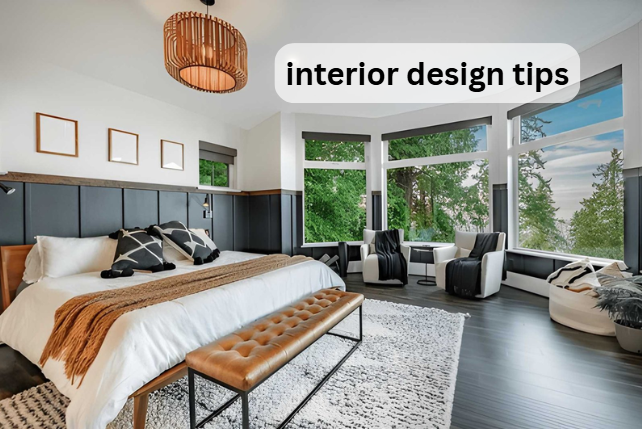
In living rooms, place seating where people can face each other. This makes conversation easier. In bedrooms, keep space around the bed for easy movement.
Small homes benefit a lot from smart furniture layout. You can find practical layout ideas on home handy tips. It shows how small changes improve daily living.
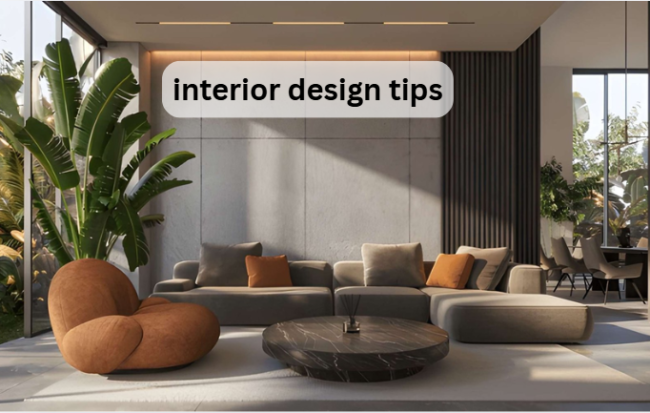
Add Texture for Depth and Comfort
A room with no texture feels flat. It also improves comfort. You can add texture in many ways. Use rugs, cushions, curtains, and throws. Wood, fabric, and metal all bring different feels to a room.
Soft textures work well in bedrooms and living rooms. They make the space feel warm. Hard textures like wood or stone add structure.
These interior design tips help balance the look of a room. Too much of one material can feel boring.
Mix different textures but keep it simple. A soft rug with a wooden table can look good together. A fabric sofa with metal lamps adds contrast.
Texture is not only visual. It also affects how a room feels when you use it.
Even small items like pillows or blankets can change the look of a space. This makes texture one of the easiest interior design tips to apply.
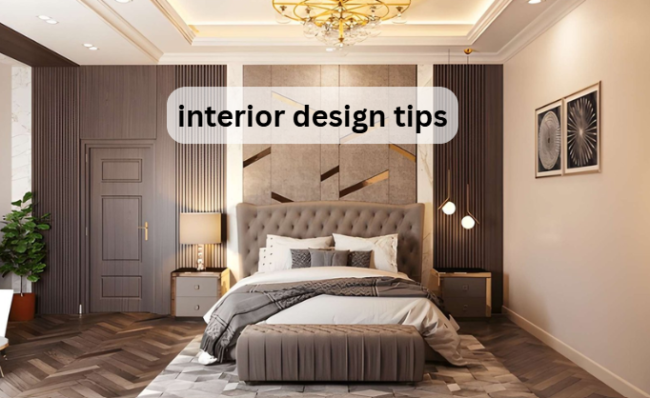
Use Mirrors to Create More Space
Mirrors are a simple tool in design. This brightens the space without adding more lights. This works well in apartments or compact homes.
These interior design tips are useful for people with limited space. Mirrors do not take up much room but offer big results.
Avoid placing mirrors where they reflect clutter. That can make the room feel messy.
Hallways and entry areas benefit a lot from mirrors. They open up narrow spaces.
Many modern homes use mirrors as decor. They can be both useful and stylish.
This idea is simple but often overlooked in basic interior design tips.
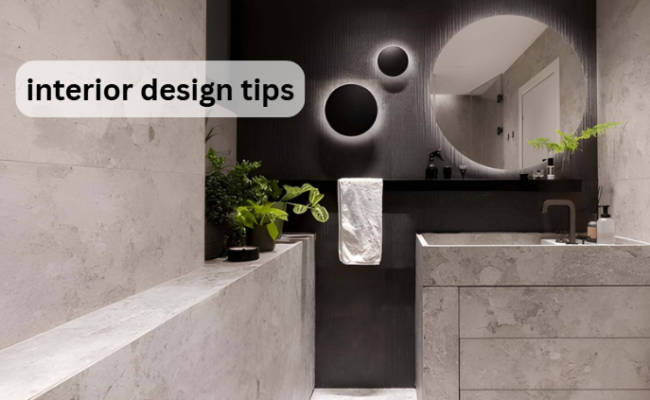
Keep Storage Simple and Hidden
Clutter can ruin any room. Even well designed spaces look bad when they are messy.
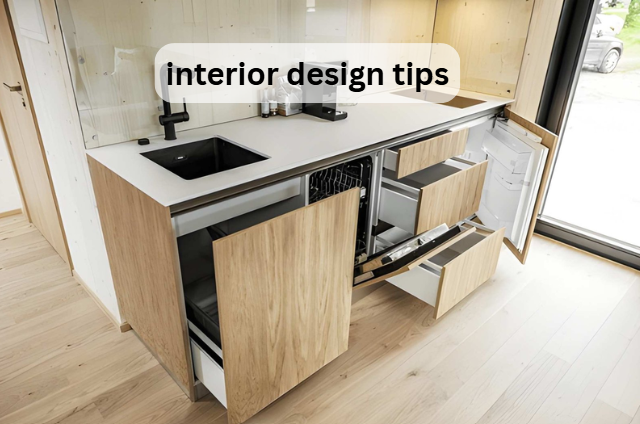
Use storage that blends into the room. Cabinets, shelves, and storage boxes help keep things in place.
Hidden storage works best. Furniture with storage inside saves space and keeps the room clean.
These interior design tips focus on function. A clean space feels calm and easy to use.
Do not keep items you do not use often. Regular cleaning helps maintain order.
In small homes, vertical storage works well. Use walls instead of floor space.
Good storage design makes a big difference in daily life. It saves time and reduces stress.
Many ideas from Dr homey tips show how simple storage changes improve a home.
A clean space always looks better than a crowded one.
Focus on One Statement Piece
Myflashyhome.com Every room needs a focal point. This could be a sofa, a painting, or a table.
Choose one main item and build around it. This keeps the design clear and organized.
Too many strong pieces can make the room feel busy. One main item is enough.
These interior design tips help create balance. A clear focus makes the room easy to understand.
In living rooms, a large sofa or artwork works well. In bedrooms, the bed can be the main piece.
Keep other items simple so they support the main feature.
A strong focal point adds personality without making the room heavy.
This is one of the most practical interior design tips for beginners.
Bring Nature Inside
Plants add life to a room. They improve air quality and make the space feel fresh.
You do not need many plants. Even one or two can make a difference.
Choose plants that are easy to care for. This keeps things simple.
These interior design tips help create a calm environment. Natural elements balance modern spaces.
Wood and stone also bring a natural feel. Use them in furniture or decor.
Plants work well in every room. Living rooms, kitchens, and even bathrooms can benefit.
This idea is simple but effective.
Keep Decor Minimal and Meaningful
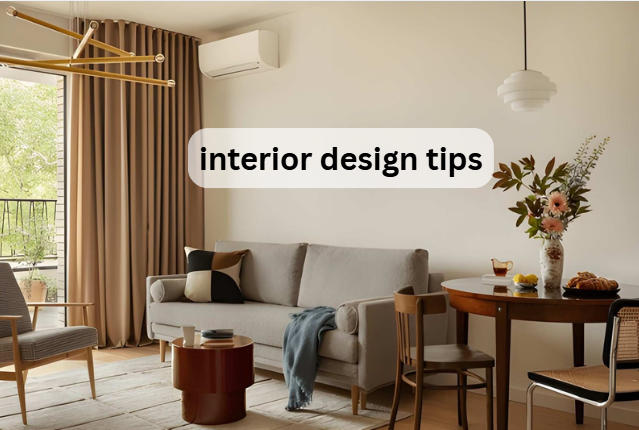
Too many decorations can make a room feel crowded. Keep only what matters.
Choose items that have meaning or purpose. This makes your space feel personal.
These interior design tips focus on quality over quantity. A few good pieces are better than many random ones.
Rotate decor items if needed. This keeps the space fresh without adding clutter.
Clean design feels calm and organized.
You can find simple decor ideas on handy tips drhomey that focus on real use.
Minimal decor is easier to manage and maintain.
Upgrade Exterior for a Complete Look
Interior design does not stop inside. The outside of your home also matters.
A clean entrance, fresh paint, and simple landscaping improve the overall look.
These interior design tips connect indoor and outdoor spaces. A good exterior creates a strong first impression.
Focus on small updates. New lighting, clean pathways, or simple plants can help.
For ideas, check modern house exterior design. It shows how simple changes improve curb appeal.
A well kept exterior supports the work you do inside.
Conclusion
Improving your home does not need big changes. Small steps can create real results. These interior design tips focus on simple actions that improve daily living.
Lighting, color, layout, and storage all play a role. When these elements work together, your home feels better.
The goal is not perfection. It is comfort and function. A good space supports your daily life.
Use these interior design tips one step at a time. You will see changes without stress or high cost.
A better home starts with simple decisions.