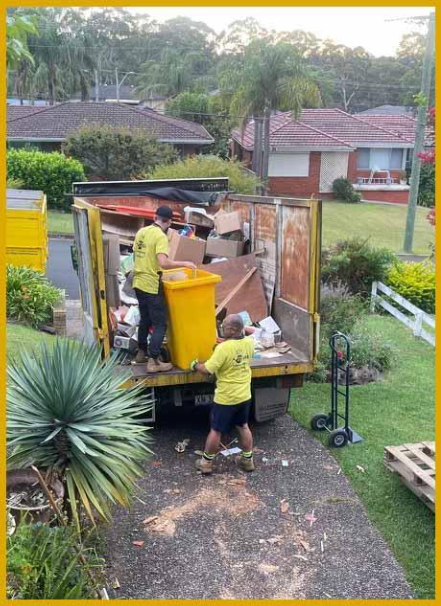
How UK Man-and-Van Rubbish Removal Prices Typically Work

Man and van rubbish removal and house clearance companies in the UK price jobs mainly by the volume of waste, the effort involved, and disposal costs. This makes them a flexible and often more convenient choice than a skip, especially for small to medium-sized projects. This guide explains how pricing typically works, the factors that influence final quotes, and how to compare options to ensure you get fair value. It also includes practical examples and a checklist of questions to ask when requesting a quote.

Components of man-and-van rubbish removal costs

Pricing structures generally follow three core components:

  • A call-out fee to cover travel and initial administration
  • Charges per load or per cubic yard, with variability by company
  • Labour costs either included in the price or charged separately by the hour

Understanding these elements helps you anticipate what the final price will cover and to spot hidden charges.

Volume and load size pricing

Most waste clearance businesses measure rubbish in cubic yards or an equivalent load size. Typical price bands are outlined below, with a clear progression from small to full van loads. Prices usually include loading, transport, and disposal.

Load sizeApproximate volume (cubic yards)Typical price range (£)Common waste description
Single small item~135–504 bin bags or small furniture
Minimum load1.5708 bin bags
¼ van load3.510020 bin bags
½ van load717040 bin bags
Full van load14–16290–350Skip-sized, 80 bin bags

For example, a small load costing around £50 may include up to 1 cubic yard of waste, while a full van load can reach £290–£350.

Labour and time costs

Labour is a key determinant of price. Many rubbish removal and house clearance companies such as Rubbish.com include reasonable labour in their quote, while others charge by the hour. 

Typical hourly rates are:

  • £45–£65 per hour for one or two workers
  • Some waste carriers quote fixed prices with labour included, potentially supplemented by a call-out fee or minimum charge
  • Hourly rates may range from about £20–£40 per hour for additional labour, depending on the number of workers and the van size

Examples:

  • A two-person team might charge £70 for a minimum load lasting 10–20 minutes
  • A larger crew or more complex access can push the price higher

Some rubbish removal company’s offer tailored hourly rates based on the number of workers and the vehicle, which helps align the price with the actual effort required.

Call-out fees and fixed charges

Call-out fees are common and often non-refundable. They help cover travel and initial administration costs. 

Typical ranges:

  • Call-out fee: £40–£70
  • Some waste carriers publish flat-rate prices by waste category or load size, offering an upfront all-inclusive price

Fixed-charge models may also exist where a single price covers labour and disposal for a defined load, providing transparency and avoiding surprise add-ons.

Waste disposal fees and environmental considerations

Disposal fees reflect the cost of legally disposing of waste at approved sites and vary by waste type. Man and van rubbish removal services usually roll disposal costs into the total price for simplicity, meaning customers pay one all-inclusive figure.

Environmental considerations are becoming increasingly important in waste management pricing. Many licensed waste carriers prioritise responsible disposal, striving to divert as much waste from landfill as possible through recycling and reuse. This eco‑focused approach often leads to higher prices, reflecting the costs of compliant disposal and sustainable practices, yet many customers value the environmental benefits these measures provide.

Leave a Reply

Your email address will not be published. Required fields are marked *