
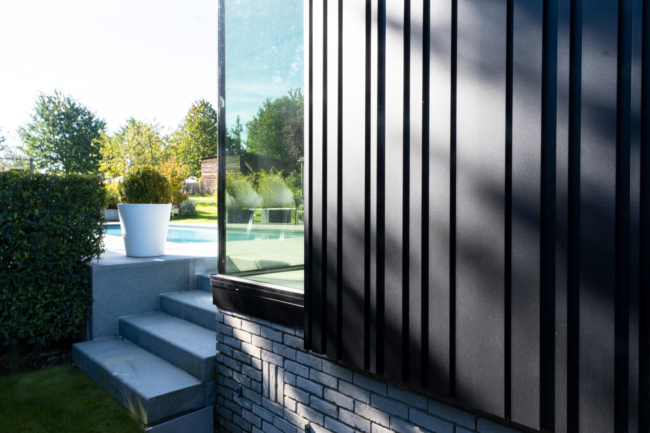
When consumers browse in search of an aluminium cladding facade, they are not searching for panels. They seek assurance. They desire a solution that will be presentable today, yet still presentable ten years from now, and that will not become a maintenance nightmare halfway through the life of the building.
Facade decisions last for decades, so they should not be viewed only on the surface.
Instead, we should discuss the real benefits of aluminium cladding, the role of composite panels, and why pure aluminium remains prominent when the goal is durability, attractiveness, and confidence.
Why Aluminium Cladding Feels Like a Safe Decision
Aluminum has earned its place in modern architecture for a reason. It is light, strong, corrosion-resistant, and predictable over time. Unlike materials that react emotionally to weather, moisture, or heat, aluminum stays calm. It does not swell. It does not rot. It does not crack under pressure.
An aluminium cladding facade creates a clean envelope around a structure. It protects without overpowering the design. For residential, commercial, and industrial buildings, this balance matters more than people realize at the start.
Another reason designers trust aluminum is consistency. What you approve in samples is what you see installed. There are no surprises six months later.
Pure Aluminium vs Composite Panels: What Actually Matters
This is where many projects pause.
Composite panels have their place. They have aluminum skins and insulated or mineral cores and are suitable in projects which require thermal performance and quick installation. The insulated composite panels are also thought of by the contractors who work in the construction of large commercial buildings since this makes the construction of the building easier in terms of the walls and saves time as well.
However, pure aluminum cladding answers a different need.
Pure aluminum panels focus on longevity, recyclability, and surface stability. There is no core to degrade over time. No hidden layer that behaves differently under heat. For projects exposed to strong sun, coastal air, or long-term weather stress, this simplicity becomes an advantage.
If insulation is already addressed within the wall assembly, pure aluminum becomes the cleaner, more honest solution.
Installation: Easier Than It Looks
Many assume aluminum cladding installation is complex. In reality, it is controlled and methodical.
Panels are lightweight, which reduces structural load and speeds up handling on site. Most systems rely on dry installation methods, using mechanical fixings or rail systems. This allows for precise alignment and easier future replacement if needed.
For contractors, this means fewer delays. For designers, it means predictable detailing. And for building owners, it means less disruption over the life of the facade.
Wood Look Without the Wood Problems
At this point aluminum quietly wins.
The wood looks beautiful. Everyone agrees. But wood also fades, warps, absorbs moisture, and demands constant care. Over time, the charm often turns into cost.
Aluminium cladding facade systems now come in high-quality wood-look finishes that replicate grain, tone, and texture with surprising accuracy. From a distance, even close up, it feels natural. But underneath, it behaves like metal.
No termites. No repainting cycles. No fear of rain or sun damage.
For architects chasing warmth without weakness, this option changes the conversation.
Lifespan and Long-Term Value
A properly installed aluminum facade may have a life of 40 to 50 years and beyond. That is not life expectancy under ideal circumstances, but life in the real world.
Maintenance is minimal. Cleaning is simple. Repairs are localized rather than invasive.
For commercial buildings, this translates into lower operating costs. For residential projects, it means fewer future expenses. For public buildings, it means reliability without compromise.
Which Projects Benefit Most
Aluminium cladding facade systems work especially well for:
- Commercial buildings with modern design language
- Residential projects seeking durability with visual warmth
- Educational and healthcare facilities requiring low maintenance
- Industrial buildings that need protection without bulk
Contractors appreciate the speed. Designers appreciate the freedom. Clients appreciate the results.
When insulation performance is the primary driver, insulated composite panels make sense. When surface quality, finish stability, and long-term clarity matter more, pure aluminum often becomes the smarter answer.
FAQs:
Does aluminum cladding feel too cold or industrial for residential buildings?
Not anymore. With modern finishes, especially wood-look textures, aluminum can feel warm, refined, and residential-friendly without sacrificing durability.
Is aluminium cladding facade suitable for hot climates?
Yes. This is what aluminum is well known for. It performs exceptionally well in heat and offers strong fire resistance. You do not need to worry about warping or degradation under sun exposure, as can happen with other materials. This makes aluminum an ideal choice for warm and coastal regions.
How do I choose between pure aluminium and insulated composite panels?
Start with your wall system. If insulation is already planned separately, pure aluminum offers simplicity and longevity. If you want insulation and cladding combined, composite panels can be efficient for large-scale projects.