
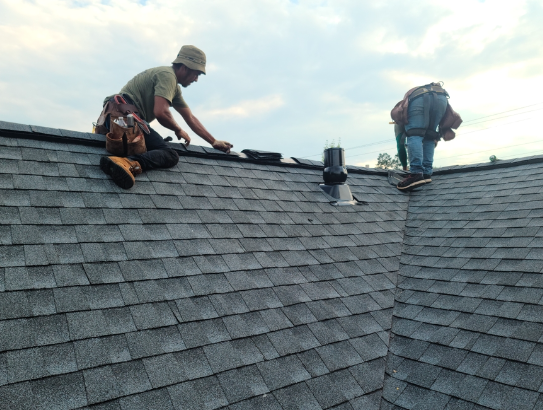
Retail complexes depend on controlled indoor temperatures to create comfortable spaces for customers and staff throughout long operating hours. When a roof struggles to manage heat transfer or protect insulation, energy costs rise and building performance declines. Modern upgrades help correct these issues by strengthening insulation, improving ventilation, and reducing thermal movement.
Roofing specialists help select effective commercial roofing solutions that improve long-term energy performance. Their guidance helps retail complexes implement upgrades that deliver measurable efficiency improvements. This article explains how quality roofing upgrades improve energy efficiency and highlights the benefits specialists bring to complex commercial structures.
Insulation Strength That Supports Temperature Stability
Improved insulation serves as the foundation of an efficient roofing system for retail properties. Roofing specialists ensure insulation materials are properly selected and installed to reduce heat transfer between indoor and outdoor environments. This helps stabilize temperatures during extreme heat or cooler seasonal changes.
Strong insulation reduces energy waste as climate systems operate with less stress. Retail complexes span large areas, making insulation performance essential for lowering utility costs. A reliable barrier helps prevent uneven temperature zones that disrupt comfort for shoppers and employees.
Reflective Surfaces That Lower Heat Absorption
Specialists frequently recommend reflective roofing materials because they reduce surface temperatures dramatically. These materials reflect sunlight instead of absorbing it, which helps keep rooftop temperatures manageable throughout the day. Reduced heat absorption lowers cooling demands for retail spaces with large square footage.
Reflective surfaces also preserve material condition, allowing them to maintain energy performance for longer periods. Many commercial systems lose efficiency when their surfaces absorb excessive heat and transfer it inward. This approach combines durability with meaningful energy savings.
Ventilation Improvements for Air Movement
Proper ventilation is crucial for controlling interior temperatures in retail complexes. Roofing specialists design ventilation systems that promote steady airflow and reduce heat buildup within roof cavities. This movement prevents hot air from accumulating and contributing to excessive cooling requirements.
Balanced ventilation helps retail stores avoid hotspots that create uneven indoor conditions. Effective airflow management also protects roof materials from moisture buildup that leads to deterioration. Specialists align ventilation features with roofing design to maintain stable conditions throughout the building.
Durable Materials for Harsh Conditions
Durable roofing materials support energy performance by resisting wear caused by temperature fluctuations and environmental stress. Specialists recommend materials capable of handling intense sun exposure, heavy rain, and seasonal storms without compromising insulation layers. When materials degrade, gaps and cracks form, allowing heat transfer that disrupts indoor temperatures.
Strong materials maintain a solid barrier that helps preserve climate control efficiency. Retail operators benefit when roofs resist common issues that weaken performance over time. Durable systems also require fewer repairs, which helps maintain consistent energy savings.
Weather Protection That Preserves Insulation Health
Reliable weather resistance is essential for retail complexes exposed to storms, strong winds, and prolonged rain. Specialists install roofing systems that shield insulation layers from moisture damage, which can significantly reduce energy efficiency if left unprotected. When insulation becomes wet, its ability to regulate temperature weakens considerably.
Quality roofing prevents leaks, maintains interior humidity levels, and stops energy loss caused by deteriorated materials. Protective systems also limit hidden damage that appears after repeated weather exposure. Strong weather protection directly supports long-term building performance.
Energy-efficient roofing upgrades deliver meaningful benefits for retail complexes seeking improved performance and lower utility costs. Many professionals offering commercial roofing solutions rely on specialized techniques that help strengthen insulation, reduce heat absorption, and support consistent airflow. Skilled roofing specialists ensure each component works together to support long-term energy savings.