
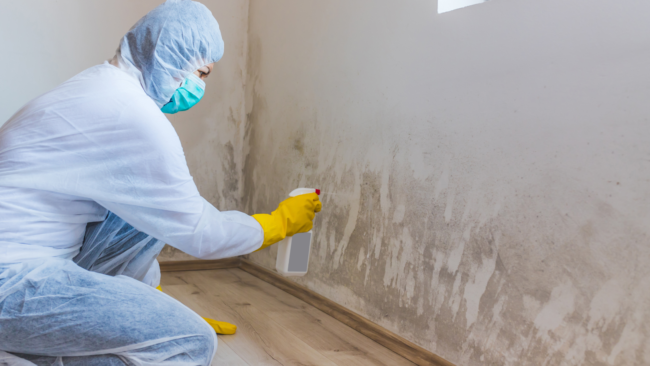
The Hidden Threat Lurking in Your Home
That musty scent hits you the moment you step into the bathroom. Or maybe you’ve spotted those telltale dark patches creeping across your basement wall. Here’s what most homeowners miss: these aren’t merely aesthetic nuisances; they signal genuine danger to your family’s wellbeing.
Mold exposure triggers a domino effect of air quality complications that often fly under the radar until someone starts feeling sick. The CDC notes that exposure to damp and moldy environments may cause a stuffy nose, sore throat, coughing or wheezing, burning eyes, or skin rash. Right this minute, invisible hazards could be circulating through your home’s air. And here’s the kicker: turning a blind eye to this problem can drain thousands from your bank account.
Understanding the Mold Problem in Your Living Space
Indoor air quality might not immediately bring mold to mind. Yet this fungal intruder ranks among the most widespread hazards confronting residential property owners. These tiny organisms flourish in environments you can’t always monitor or manage.
Why Modern Homes Are Mold Magnets
New Jersey’s humidity levels practically roll out the welcome mat for fungal development in houses. The state’s aging building inventory, coupled with seaside moisture, leaves properties exceptionally susceptible. Countless homes throughout Bergen County and neighboring regions battle ongoing dampness problems that evade detection for extended periods.
Once homeowners stumble upon questionable growth or lingering odors, experts offering mold testing services New Jersey can pinpoint exact species and contamination intensity before situations spiral out of control. These professionals deploy sophisticated technology to uncover hidden infestations that standard visual checks completely overlook.
The Three Elements Mold Needs
Here’s mold’s recipe for success: moisture, something organic to consume, and oxygen. Guess what? Your residence supplies all three generously. Contemporary energy-saving construction does wonders for monthly bills but frequently locks moisture indoors. That’s precisely why mold in residential homes has grown increasingly prevalent despite construction innovations.
Structural wood, wallboard, and even household dust all serve as a mold’s buffet. Oxygen’s obviously everywhere. So what’s left? Moisture becomes your sole controllable variable, which transforms your dehumidifier and ventilation fans into essential defense equipment.
Common Hiding Spots You’re Probably Missing
Sure, everyone inspects bathroom grout and basement nooks. But thriving colonies establish themselves in locations you’d never imagine checking.
Behind Your Walls and Under Your Floors
Some of the nastiest infestations breed inside wall cavities. A gradual pipe drip or temperature-driven condensation cultivates flourishing colonies that remain invisible until renovation projects crack them open. Condensation accumulates on window frames overnight, particularly throughout winter. That wetness penetrates sills and structural framing, establishing ideal breeding grounds.
Your climate control system demands particular scrutiny. Ductwork creates a haven; perpetually dark, occasionally moist, with continuous airflow broadcasting spores into every corner of your house.
Unexpected Problem Areas
Laundry machines, dishwashers, and refrigerators all generate dampness. The cramped spaces tucked behind these appliances rarely receive cleaning or examination. Here’s something ironic: smart home technology with condensation-prone zones, imagine smart thermostats and air monitors, can actually collect moisture from temperature shifts. Equipment designed to enhance your indoor environment might harbor precisely the contamination they’re engineered to identify.
How Mold Destroys Air Quality
Once mold establishes its presence, it doesn’t simply remain dormant. It actively compromises the air cycling through your lungs via multiple pathways.
Spores Become Airborne Weapons
Mold spores range from 1 to 100 microns in diameter. Mold exposure can occur when airborne mold particles, mostly spores and fragments, are inhaled. Everyday actions like walking past an affected area or activating your heating system disperse these microscopic particles. Standard filtration systems can’t trap the majority of them.
They land on surfaces, get disturbed again, establishing an endless contamination loop. A single agitated colony releases millions upon millions of spores throughout your living space within mere hours.
Mycotoxins: The Silent Threat
Certain mold varieties generate mycotoxins, poisonous substances that linger long after visible growth disappears. Black mold (Stachybotrys) carries particular notoriety for this characteristic. These toxins provoke immune reactions and potentially trigger neurological symptoms that victims rarely attribute to their residential environment.
Mold-generated volatile organic compounds create that recognizable musty stench. But there’s more happening than unpleasant odors; they’re broadcasting active chemical processes degrading your air quality day after day.
The Health Toll on Your Family
The health effects of mold extend far beyond occasional sniffles. They can fundamentally diminish your household’s daily life experience.
Immediate Respiratory Problems
Coughing fits, labored breathing, and scratchy throats frequently emerge within hours following exposure. Young children and older relatives typically display symptoms initially since their respiratory systems carry greater vulnerability. Pay attention if these issues fade when you’re away from home but resurface upon your return, that’s your red flag.
Asthma episodes may intensify in both frequency and severity. Research demonstrates that nearly 80% of asthma cases begin before the age of six. For households raising young kids, managing mold transforms into an urgent health imperative.
Chronic Conditions Develop Over Time
Extended exposure breeds more severe complications. Persistent sinus infections, hypersensitivity pneumonitis, and even autoimmune reactions can emerge. Some individuals develop chronic inflammatory response syndrome (CIRS), their immune system essentially stuck in permanent high-alert mode.
Emerging research points toward links between mold exposure and mental function struggles. Mental haziness, memory lapses, and focus difficulties, these plague certain long-term exposure sufferers. Scientists haven’t completely unraveled the mechanisms, yet the consequences remain devastatingly tangible.
Protecting Your Home Through Prevention
Mold prevention in homes doesn’t demand complex strategies, though it requires steady vigilance. Complete elimination isn’t realistic, but a dramatic reduction absolutely is.
Control Moisture Like Your Health Depends On It
Maintain indoor humidity levels between 30-50%. Basement dehumidifiers aren’t luxury items; they’re fundamental necessities. Operate bathroom exhaust systems throughout showers, plus an additional 30 minutes afterward. Kitchen ventilation while cooking stops moisture buildup that feeds fungal development.
Address leaks within 24-48 hours. That’s your intervention window before colonies gain their foothold. That seemingly minor drip beneath your sink? It’s establishing perfect growth conditions you won’t detect until damage becomes extensive.
Smart Material Choices Matter
During renovations or water damage repairs, select mold-resistant options. Mold-resistant drywall carries slightly higher upfront costs but delivers substantial protection. Certain paint formulations incorporate antimicrobial additives inhibiting growth. These expenditures justify themselves by preventing expensive remediation procedures later.
Adequate ventilation carries more weight than most property owners appreciate. Attics require sufficient airflow to prevent condensation buildup. Crawl spaces benefit tremendously from vapor barriers and ventilation installations. Don’t sacrifice air exchange for energy efficiency; your residence must circulate fresh air.
Comparing Mold Prevention Strategies
| Strategy | Effectiveness | Cost | Maintenance Required |
| Dehumidifiers | High | $200-600 | Monthly filter cleaning |
| HVAC upgrades | Very High | $3,000-8,000 | Annual professional service |
| Moisture barriers | High | $500-2,000 | None after installation |
| Exhaust fans | Medium | $100-400 | Annual cleaning |
| Regular inspections | Medium | $0-300 | Quarterly visual checks |
When DIY Isn’t Enough
Minor surface mold on shower tiles? You can tackle that yourself, wearing appropriate protective gear and proper cleaning products. But widespread growth, anything exceeding 10 square feet, demands professional expertise.
If contamination has infiltrated your HVAC system, skip DIY attempts entirely. Required containment and sanitation protocols need specialized tools and knowledge. Improper handling distributes contamination rather than eliminating it.
Post-cleanup testing confirms remediation actually succeeded. Independent verification shields you from contractors who skimp on procedures or overlook concealed colonies.
Final Thoughts on Protecting Your Home’s Air
Your residence’s air quality directly shapes your family’s health trajectory, everyday comfort, and future wellness. Mold exposure generates cascading complications that intensify over time when ignored. Prevention through moisture management and routine inspections costs substantially less than professional remediation, both financially and in terms of health consequences.
Don’t wait for visible colonies or ongoing symptoms before taking decisive action. That musty odor you’ve been dismissing might be signaling serious contamination compromising your indoor air quality this very moment. Swift detection and immediate response safeguard both your property investment and your family’s well-being.
Questions Homeowners Ask About Mold
- How quickly does mold grow after a water leak?
Colonies can take hold within 24-48 hours, given favorable circumstances. Temperature levels, humidity percentages, and surface composition all influence growth speed, but your prevention window remains narrow, requiring rapid drying and dehumidification.
- Can air purifiers eliminate mold spores?
HEPA filtration captures numerous spores but cannot achieve total elimination. Air purifiers function best as complementary tools alongside source eradication and moisture management. They lower airborne concentrations without resolving underlying dampness issues.
- Does homeowners’ insurance cover mold remediation?
Coverage varies wildly between policies. Most baseline policies exclude mold damage except when stemming from covered incidents like burst plumbing. Optional mold endorsements provide expanded coverage yet include specific restrictions and deductibles.