
According to the American Congress of Rehabilitation Medicine, making or just seeing art can change our brain chemistry. This truth reveals something powerful about human nature: creativity is deeply connected to emotional healing. And art doesn’t need to be grand or professional – it just needs to be part of our lives.
Art and our brains
Art engages the brain in ways that words often can’t manage. Studies have shown that painting, drawing, or even observing art activates reward pathways and lowers stress hormones. Art can help us manage anxiety, depression, and trauma. The Mayo Clinic describes how creative activities can reduce anxiety, encourage new ways of thinking, and build hope for the future.
Art at home provides these benefits, even without a studio or special equipment. When someone takes a few minutes to doodle, color, or photograph something, they’re giving their brain a chance to rest from constant problem-solving. The simple act of making something with the hands can slow heart rate and steady breathing, a natural counter to stress.
Art as a form of self-care
Engaging in art can be an act of self-care. The Mental Health Foundation notes that creating art helps people express emotions without putting them into words. This process gives a sense of release and control, both of which are helpful for maintaining balance in challenging times.
Many people assume they need talent to make art, but research shows that the benefits come from the process itself, not the product. The goal is the process, as contradictory as that may sound to those of us who had artworks “graded” at school. Whether it’s a painting on a small canvas, a short poem, or a clay pot, the experience of making something offers a form of mindfulness. We feel like time slows down – or forget it altogether – and focus on color, texture, and form rather than on worry or stress.
Using art as self-care also strengthens our connection to the environment around us. When people decorate their spaces with artwork they’ve created, it brings pride and comfort. Each piece is a reminder that we can create something.
Viewing art
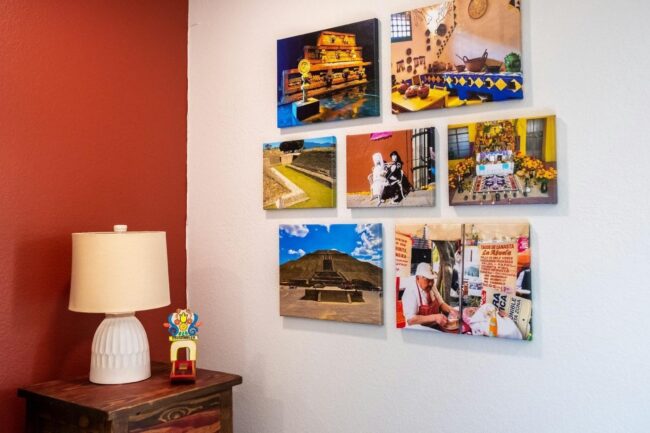
Making art is powerful, but so is viewing it. Hanging artwork at home can improve mood and promote a sense of peace. Studies have shown that looking at art can reduce blood pressure and heart rate. When people spend time viewing paintings, photographs, or sculptures, the brain releases dopamine, the same chemical associated with feelings of love and happiness.
Art in our homes can therefore act as therapy. Choosing colors and images that evoke positive memories can subtly shift emotional states through the day. A soft watercolor might calm a restless mind, while a bright abstract piece could energize and inspire. We might choose paintings that make us think of our culture or loved ones. Religious artworks, such as the abstract paintings at Israeli Center of Judaica (https://israelicenterofjudaica.com/), include colors that might inspire happiness and peace.
How art supports connection and belonging
Creating or sharing art can also strengthen relationships. When families, friends – or people meeting for the first time – paint together or discuss what a piece means to them, they encourage empathy and understanding. The Mental Health Foundation reports that these shared creative experiences reduce feelings of isolation and loneliness. Art gives people a way to communicate emotions they might not easily express otherwise.
Even virtual art sharing, such as sending a photo of a sketch to a friend, can build emotional bridges. Creativity is a universal human trait that connects people across distances and differences.