
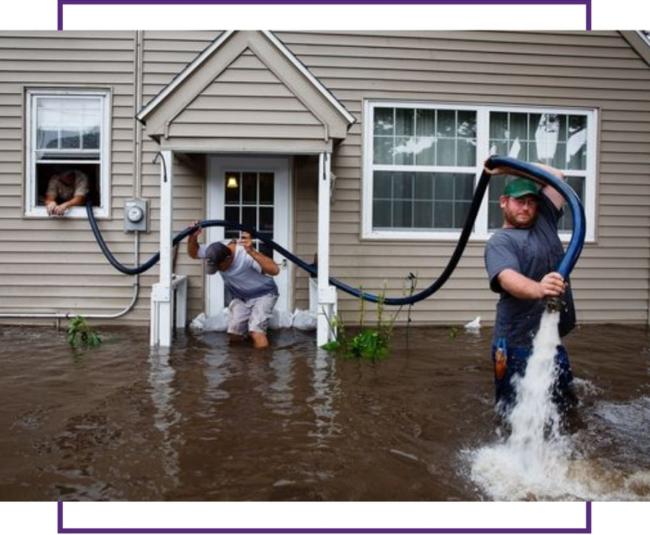
When a property suffers sudden damage, the clock starts ticking immediately. Flooding, fire, storms, or internal system failures can turn a safe building into an unstable environment within minutes. Emergency property restoration exists to stabilize the situation, reduce secondary damage, and set the foundation for full recovery. For property owners, understanding what happens during those first critical hours can make the difference between manageable repairs and long term structural loss.
Emergency restoration is not just about fixing what broke. It is a coordinated response that prioritizes safety, documentation, damage containment, and preservation of materials that can still be saved.
Why the First 24 Hours Matter More Than You Think
Most property damage worsens rapidly when left untreated. Moisture spreads, contaminants migrate, and compromised materials degrade faster than expected. In water related incidents, mold can begin forming in as little as 24 to 48 hours, while structural materials such as drywall and insulation can lose integrity far sooner.
During emergency response, professionals focus on stopping the source of damage, stabilizing the structure, and preventing avoidable loss. This is where experienced emergency flood cleanup and repair experts play a vital role in guiding early decisions and minimizing compounding damage. A fast, methodical approach allows restoration teams to control the environment before irreversible deterioration sets in.
What Qualifies as an Emergency Restoration Situation
Not every property issue is an emergency, but many common scenarios require immediate intervention. These typically include:
- Burst pipes or plumbing failures causing active water intrusion
- Flooding from storms or rising groundwater
- Fire damage involving smoke, soot, or structural compromise
- Sewage backups or contaminated water exposure
- Storm damage that leaves a structure exposed to the elements
In these situations, delaying action often leads to higher repair costs, increased health risks, and longer recovery timelines.
Initial Assessment and Safety Control
The first step in emergency restoration is ensuring the property is safe to enter. Technicians assess electrical hazards, structural stability, and potential contamination. Unsafe conditions are addressed immediately, including shutting off utilities or securing unstable areas.
Once the site is stabilized, a detailed inspection begins. This includes identifying affected materials, moisture migration paths, and hidden damage behind walls or beneath flooring. Modern restoration teams use moisture meters, thermal imaging, and air quality testing to ensure no critical issues are overlooked.
Containment and Damage Mitigation
After assessment, containment becomes the priority. The goal is to prevent damage from spreading beyond the original impact zone. This may involve isolating wet areas, installing barriers, or establishing controlled airflow patterns.
For water damage, extraction begins as soon as possible. Standing water is removed, followed by targeted drying of structural components. According to recent industry data, properties that begin water extraction within the first 24 hours can reduce overall restoration costs by up to 30 percent, primarily due to reduced material replacement.
Fire related emergencies focus on smoke residue removal, odor control, and corrosion prevention. Soot is acidic and can permanently damage surfaces if not treated quickly.
Documentation for Insurance and Recovery Planning
One of the most overlooked aspects of emergency property restoration is documentation. Before major repairs begin, damage must be carefully recorded. This includes photographs, moisture readings, and detailed notes outlining affected areas.
Accurate documentation supports insurance claims and helps avoid disputes later in the process. It also allows restoration teams to build a precise recovery plan based on verified conditions rather than assumptions.
Professionals trained in emergency restoration understand how to balance rapid response with proper documentation so neither is sacrificed.
Environmental Control and Drying Strategies
Drying a property is not as simple as running fans. Improper drying can trap moisture inside materials, leading to mold growth or structural weakening over time. Emergency restoration teams design drying strategies based on material type, humidity levels, and airflow dynamics.
Industrial dehumidifiers, air movers, and specialized drying equipment are deployed strategically to achieve consistent moisture reduction. Monitoring continues throughout the process to confirm progress and adjust conditions as needed.
The goal is to return the property to a stable, dry state before reconstruction begins.
Health Risks Associated With Delayed Restoration
Delays in emergency restoration can introduce serious health concerns. Mold spores, bacteria, and airborne contaminants thrive in damp or fire affected environments. According to recent public health research, indoor mold exposure has been linked to increased respiratory symptoms and allergic reactions, particularly in children and older adults.
Contaminated water incidents such as sewage backups pose additional risks, including exposure to pathogens that require professional handling and sanitization.
Prompt emergency restoration reduces these risks by controlling environmental conditions early and implementing proper sanitation protocols.
Transitioning From Emergency Response to Full Restoration
Emergency property restoration is only the first phase of recovery. Once the property is stabilized, dried, and secured, the focus shifts to rebuilding and repairs. This may include replacing damaged materials, restoring finishes, and addressing cosmetic concerns.
A smooth transition depends on how well the emergency phase was handled. Properties that receive thorough early intervention often experience shorter reconstruction timelines and fewer unexpected issues later.
Restoration professionals coordinate closely with contractors, insurers, and property owners to ensure continuity throughout the process.
Preparing for Future Emergencies
While no one can predict disasters, property owners can take steps to improve readiness. Regular maintenance of plumbing systems, roof inspections, and drainage management reduce the likelihood of sudden failures.
Having a clear emergency response plan and knowing who to contact when damage occurs can also save valuable time. Familiarity with the emergency restoration process empowers property owners to act quickly and confidently when unexpected events occur.
The Real Value of Professional Emergency Restoration
Emergency property restoration is about more than fixing damage. It is about protecting the long term value of a property, safeguarding occupant health, and restoring normalcy as quickly as possible. The first few hours after a disaster often determine the overall outcome.
By understanding how emergency restoration works and why timing matters, property owners can make informed decisions that limit loss and support a faster recovery. In moments of crisis, knowledge and preparation become powerful tools for resilience.