
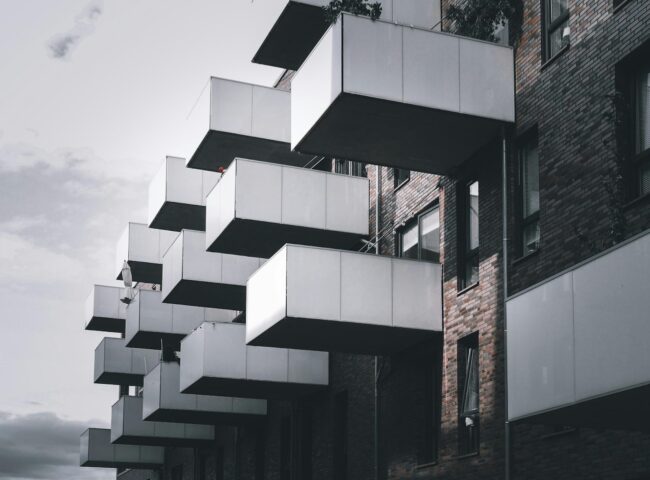
Architecture has always been a marker of human civilization. Beyond its fundamental purpose of shelter, a building’s facade offers insights into the culture, priorities, and identity of its creators. Among the myriad ways façades communicate their message, texture and hue play the starring roles. Understanding these elements offers a window into architectural design and its impact on urban environments.
Texture Talk: The Skin of Buildings
Texture in architecture is not mere decoration. It’s a deliberate choice that dictates how a structure interacts with its environment. Concrete, glass, steel, and brick each convey distinct stories. Glass offers sleek sophistication and transparency, while brick confers warmth and tradition. Steel speaks of strength and modernity, whereas concrete is celebrated for its brutal honesty.
One interesting consideration in facade design is the impact of local craftsmanship techniques, which can enhance both texture and hue. Techniques such as lime plastering or decorative tile work found in residential painters projects demonstrate how traditional skills can be interwoven with contemporary materials, adding depth and character to buildings.
A particularly fascinating aspect of texture is its role in light reflection. Rougher surfaces scatter light, creating softer shadows and a more subdued appearance. Meanwhile, smoother materials like polished stone and steel reflect light sharply, often creating a sense of drama. The choice between smooth and rough is often dictated by the function of the building and the atmosphere the architect wishes to create.
Building textures also significantly affect acoustics within and outside their boundaries. Rough surfaces can absorb sound, creating quieter interiors and peaceful surroundings. In contrast, smooth and hard materials might amplify noise, contributing to a lively environment—a crucial consideration in designing spaces like concert halls or bustling cafés. Different textures can either invite or repel inhabitants based on the soundscape they project, subtly impacting human comfort and interaction with the space.
Hue: Emotional Palette of Structures
Color plays an undeniably powerful role in architectural expression. A building’s hue is more than an aesthetic choice; it influences mood and perception. Color can cement a structure’s place in its surroundings or make it stand out dominantly.
Bolder hues often signal innovation and progress, attracting attention and fostering a sense of movement. Conversely, muted tones can convey calm, tradition, and subtlety. A structure painted in earthy tones blends into its environment, resonating harmoniously with nature. On the other hand, a skyscraper clad in bright hues establishes its dominance over the skyline.
The perception of color also changes with the time of day and year. Different angles of sunlight can intensify or soften colors, altering how we visually experience buildings. A pink-hued facade might appear more dynamic with morning light, whereas it may blend into tranquility under evening shadows. Seasonal variations, such as the vibrant green of nearby foliage or winter’s snowy whites, also influence how hues resonate within their environment.
The Interplay Between Texture and Hue
The relationship between a building’s texture and its color is akin to a dance. Each element complements the other, creating a cohesive narrative. A brightly colored, rough-surfaced building immediately draws attention to its artistry, while a polished surface in muted tones offers a restrained elegance.
A particularly daring approach involves contrast. Pairing a rugged limestone exterior with bright azure elements can evoke both stability and creativity. Conversely, a smooth, reflective surface coated in a pastel hue might suggest the future’s dreamy potential.
Context also plays a significant role. An urban-residential area benefits from a blend of textures and colors that foster a sense of community. In contrast, commercial districts with their towering glass facades emphasize ambition.
Beyond aesthetics, the choice of texture and color has thermal implications. Dark colors can absorb heat, crafting warmth in colder regions, while light hues reflect sunlight, maintaining cooler interiors in hotter climates. Texture influences heat dispersion as well: rough surfaces might provide better insulation, while smooth textures encourage temperature variations. Such considerations are vital in creating sustainable architectural solutions tailored to local climates.
Implications for Urban Design
The choices architects make regarding texture and hue extend beyond individual buildings. They shape entire cityscapes. By harmonizing different structures through consistent texture and color schemes, cities can forge a unique identity and narrative. Paris, for example, is synonymous with its historic cream-colored stone. New York exudes ambition with its glass and steel vanguard.
The implications extend to environmental considerations, as well. Buildings designed with climate-favorable materials can promote sustainability. Lighter colors, for example, reflect heat, cooling urban heat islands. Similarly, textures that blend with local vegetation encourage biodiversity and tranquility.
The Future Facade
With technological advancements, the future of architectural design is exciting. New materials provide unprecedented opportunities to manipulate texture and hue. Smart facades that change color based on temperature or energy consumption signify the next frontier. Yet, even as new technologies emerge, the basic principles of texture and hue will continue to inform the dialogue between buildings and their environment.
In the dialogue of building facades, texture and hue are the words. Each building, whether bombastic or subdued, tells a story that reflects the ambitions and values of its creators and inhabitants. As cities continue to grow, understanding this interplay offers a glimpse into shaping a world that is not just functional but also beautiful.