
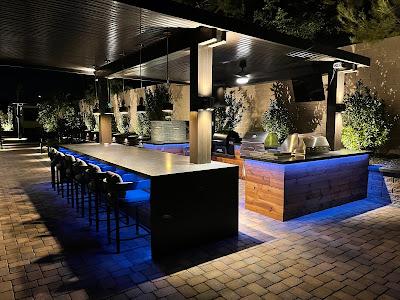
A worn-out patio is one of those things that sneaks up on you. One season it looks fine, a little tired maybe, a crack here and there. A couple of seasons later it is suddenly the part of your outdoor space you apologize for when guests come over. Texas patios age hard because the climate gives them no quarter: relentless summer heat, heavy rain events, occasional freezes, and the constant UV exposure that fades, bleaches, and degrades surface finishes faster than you might expect.
But here is the optimistic version of this story: most Texas patios do not need to be torn out and replaced. They need to be resurfaced. And the difference between a patio that has been properly resurfaced by a professional team and one that has been replaced with plain concrete is dramatic. The resurfaced patio looks like a thoughtful design choice. The plain replacement looks like, well, concrete.
At Zion Outdoors, concrete patio resurfacing, is one of our most popular services, and for good reason. We take patios that homeowners have been embarrassed about for years and turn them into outdoor spaces they genuinely love. The process is faster and more affordable than replacement, and the design options are frankly more interesting.
Is Your Patio a Candidate for Resurfacing
The first question in any patio resurfacing conversation is whether the existing slab is a good candidate for the process. The answer is yes for the majority of Texas patios. The key requirement is structural soundness: the slab needs to be stable, with no significant shifting, heaving, or sections that have moved relative to each other. Surface cracks, spalling, staining, and general weathering are all conditions that resurfacing addresses. Structural movement is the exception that may require a different approach.
A quick on-site assessment tells us immediately what category your patio falls into. We look at the size and pattern of cracks, the stability of the slab underfoot, the condition of the surface layer, and any drainage or grading issues that would affect how a resurfaced surface performs over time. This is a free conversation and a free visit, and it gives you a clear answer about the right path forward before any commitment is made.
The Preparation Phase That Determines Everything
Every successful patio resurfacing project lives or dies in the preparation phase, and this is where the difference between a professional job and a DIY attempt or a cut-rate contractor becomes most visible in the long run. Proper preparation involves pressure washing the surface to remove all dirt, grease, biological growth, and loose material. Any cracks or surface defects are filled and repaired with compatible repair materials. The surface is then mechanically profiled, typically by grinding or scarifying, to create the surface texture that allows the overlay to bond reliably.
An overlay that is applied to a surface that has not been properly prepared will eventually fail, peeling or delaminating because the bond to the concrete beneath it was never adequate. The preparation step is not glamorous and it is not the part of the project that shows in finished photos, but it is the foundation that determines whether the finished surface performs beautifully for a decade or becomes a problem in two years. Zion Outdoors does not cut corners here, because we are the ones who back our work with a warranty.
Finish Options That Elevate Your Outdoor Space
This is the part of the patio resurfacing conversation that homeowners consistently find more exciting than they expected. The finish options available through decorative concrete resurfacing are far more interesting than anything you get with standard concrete replacement. Stone-look stamped overlays, smooth troweled contemporary finishes, exposed aggregate textures, acid-stained or integral-colored concrete effects: each creates a genuinely distinctive outdoor surface that responds to the style of the home and the preferences of the homeowner.
For Texas Hill Country homes with a natural, organic aesthetic, warm earth tone staining over a lightly textured overlay creates a look that blends beautifully with the landscape. For modern architectural homes in Austin’s urban neighbourhoods, a smooth polished-look finish in cool grey or warm taupe reads as intentional and sophisticated. For homes with a more traditional character, a stamped flagstone or brick pattern adds visual warmth and texture that plain concrete cannot deliver. The design conversation is genuinely one of the most enjoyable parts of working with Zion Outdoors.
How Long the Project Takes
One of the most practical advantages of resurfacing over replacement is the timeline. Full concrete replacement involves demolition, hauling, forming, pouring, and curing, which takes the patio out of commission for a week or more before you can even put furniture back on it. A resurfacing project with Zion Outdoors typically takes two to three days from start to finish for a standard residential patio, depending on the size and the finish selected.
That turnaround is possible because we are not starting from scratch. The existing slab is the foundation. Preparation, overlay application, finishing, and sealing are the steps, and each one is completed efficiently by an experienced crew that has done this hundreds of times. By the time your furniture goes back on, the surface is sealed, cured, and ready to handle everything a Texas outdoor lifestyle can throw at it.
Maintenance After Resurfacing
A resurfaced patio with a quality sealer is genuinely low-maintenance by design. Regular cleaning with a hose or a pressure washer on a low setting keeps the surface looking sharp. Avoid harsh chemical cleaners that can degrade the sealer, and do not use metal shovels or sharp tools directly on the surface. Resealing on a schedule of every two to four years depending on traffic and exposure maintains the protection and keeps the surface looking as good as the day it was finished.
Homeowners who maintain the sealer on their resurfaced patio consistently get fifteen or more years of excellent performance from the surface. Those who neglect the sealer see gradual deterioration start earlier. The maintenance commitment is minimal and the payoff is a patio that continues to look and perform like a finished, quality surface for well over a decade. That is a great return on a project that already cost significantly less than replacement.