
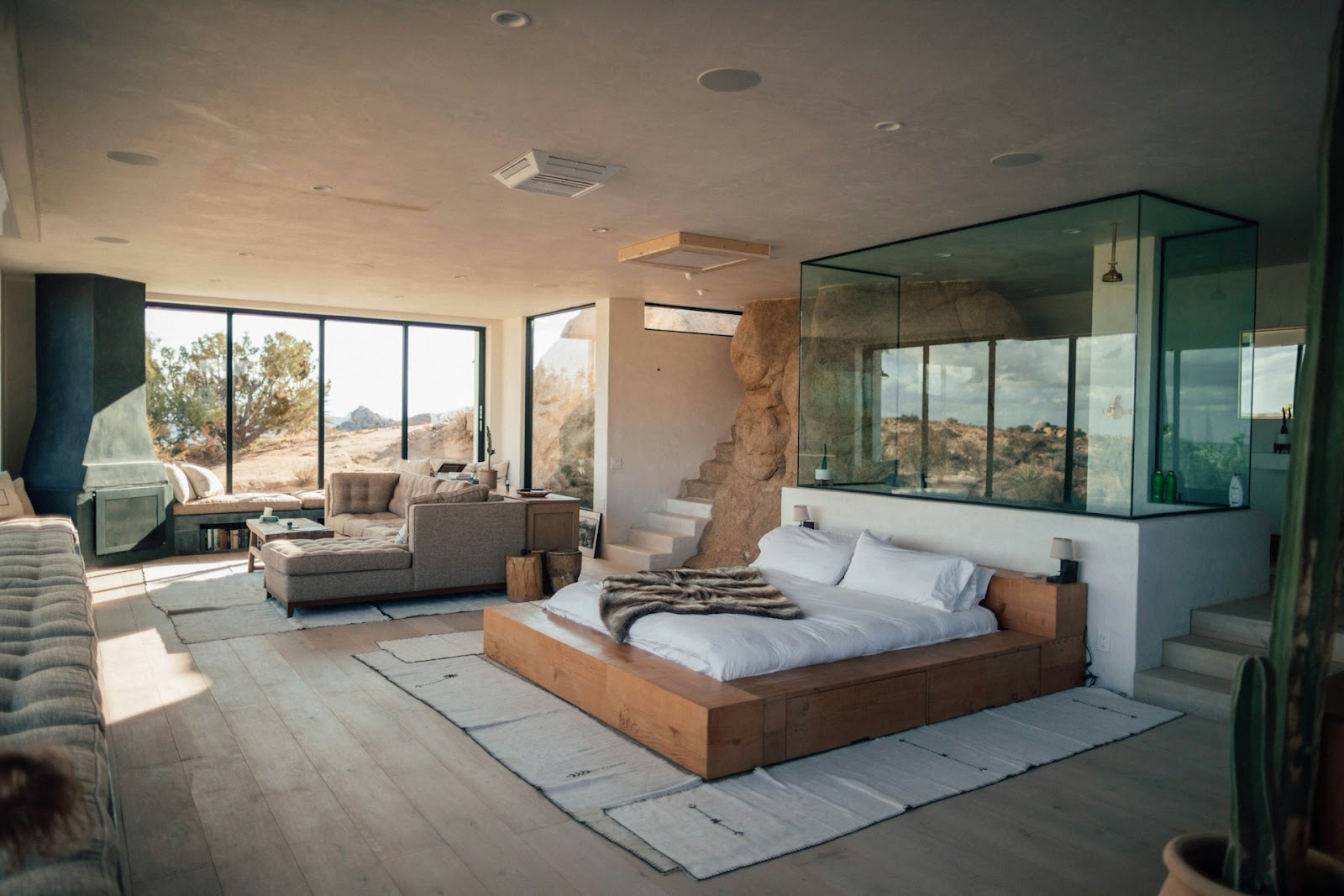
There’s something deeply satisfying about buying furniture that’s genuinely built to last. You know the feeling when you find that perfect piece that looks stunning and feels solid as a rock? That’s exactly what you want in a timber bed frame.
Here’s the thing though. Not all wooden bed frames are created equal. Some will wobble after six months, while others stand strong for decades. The difference often comes down to knowing what to look for before you buy.
The Foundation Matters More Than You Think
Ever noticed how some beds develop that annoying creak after a while? Nine times out of ten, it’s because the joints weren’t properly constructed from the start.
Look for frames that use traditional joinery methods. Mortise and tenon joints, for instance, create incredibly strong connections that actually get tighter over time. Dovetail joints are another gold standard. These techniques have been around for centuries because they simply work.
The other day someone mentioned they’d bought a bed frame held together mostly with screws and metal brackets. Sure, it went together quickly, but after two years of normal use, those connection points were already loosening.
Wood Species: It’s Not Just About Looking Pretty
This part’s a bit tricky, but different timber species have vastly different durability characteristics. Pine might look lovely and cost less upfront, but it’s a softwood that dents and scratches easily.
Hardwoods like oak, ash, or jarrah are different beasts entirely. They’re dense, naturally resistant to wear, and actually improve with age. The grain patterns tell a story too. Tight, even grain usually indicates slower growth and denser, stronger wood.
Actually, here’s something interesting. Some manufacturers are creating timber bed frame with an award winning design that combines both aesthetic appeal and structural integrity. The key is finding pieces where form truly follows function.
Construction Details That Separate the Good from the Great
Picture this: trying to figure out if a bed frame is well-made when you’re standing in a showroom or scrolling online. What should you actually look for?
First, check the slat system. Solid timber slats spaced properly provide better support than those flimsy metal alternatives. The slats should be thick enough that they don’t bow under pressure, typically at least 15mm thick.
Corner bracing makes a huge difference too. Quality frames include diagonal braces or corner blocks that prevent the frame from racking (that’s when rectangular frames start shifting into parallelograms under stress). You won’t always see these supports, but they’re doing important work behind the scenes.
Surface Treatment and Long-Term Care
The finish on your timber bed frame isn’t just about appearance. A proper finish protects the wood from moisture, prevents cracking, and makes cleaning easier.
Natural oil finishes penetrate deep into the wood and can be refreshed over time. They let the timber breathe while providing protection. Lacquered finishes create a harder surface but can chip if damaged.
But here’s where it gets interesting. Some of the best timber furniture actually looks better as it ages, developing character marks and a deeper colour. That’s the hallmark of quality wood and proper construction.
Investment Thinking vs. Quick Fixes
To be honest, quality timber bed frames cost more upfront. But when you calculate cost per year of use, they often work out cheaper than replacing budget alternatives every few years.
Think about it this way: a well-made frame might serve you for twenty years or more. That’s potentially two decades of solid sleep without worrying about wobbly joints or structural issues.
The truth is, your bed frame is one of those purchases where going cheap usually costs more in the long run. Quality construction, proper materials, and thoughtful design create furniture that becomes part of your life rather than just another thing to eventually replace.
When you find a frame that ticks all these boxes, you’ll sleep better knowing it’s built to last.