
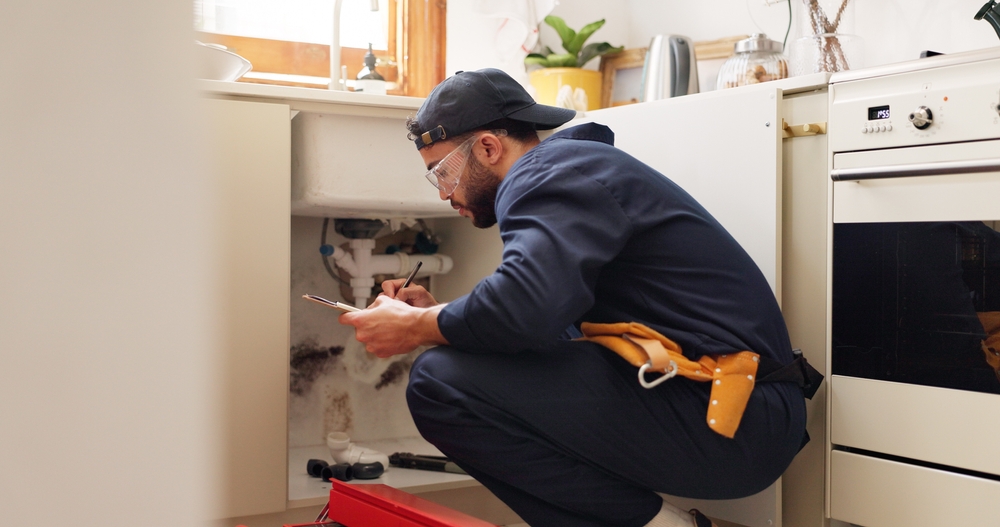
Spring cleaning is a time to refresh your home, declutter, and tackle projects that have been on hold all year. While many homeowners focus on organizing closets, dusting baseboards, or washing windows, one often-overlooked area can cause major headaches if ignored: your plumbing. A small leak or faulty fixture might seem minor, but it can lead to water damage, mold growth, and costly repairs if left unchecked. Before diving into cleaning, it’s essential to address this key plumbing issue, and trusted plumbers NWA residents recommend acting early to prevent surprises.
Identify the Most Critical Plumbing Concern
In many homes, fixing slow-draining sinks, tubs, or showers is the most crucial task before spring cleaning. In addition to interfering with day-to-day activities, partially blocked or clogged drains can deteriorate over time, leading to standing water, unpleasant odors, and pipe damage.
Slow drains often result from:
- Accumulated hair and soap scum in bathroom sinks and tubs
- Grease, coffee grounds, and food residue in kitchen drains
- Mineral buildup in areas with hard water
Identifying which fixture is most affected allows homeowners to prioritize the repair and avoid larger issues later in the season.
Why Early Intervention Matters
If you ignore a slow drain, it might get worse very rapidly. Backups and possible flooding can result from small jams that develop into complete obstructions. Static water can harm joints, seals, and even cabinetry around sinks or tubs over time, and can also encourage the spread of bacteria.
Early inspection and treatment not only avoids significant repairs but also enhances water flow and efficiency throughout the house, according to Plumbers NWA Homeowners Trust. Maintaining your plumbing system’s functionality through routine maintenance reduces the likelihood of emergency calls during the hectic spring season.
DIY Checks and Maintenance
Before calling a professional, homeowners can perform simple checks:
- Visual inspection: Look for standing water, discoloration, or leaks around fixtures
- Basic unclogging: Use a plunger or drain snake for minor blockages
- Preventive cleaning: Remove visible hair and debris regularly to reduce buildup
These steps may temporarily relieve the problem, but underlying issues such as old, corroded pipes or deep-rooted clogs usually require professional attention.
When to Call a Professional
If the clog persists, water drains slowly in multiple fixtures, or you notice gurgling sounds and foul odors, it’s time to call a licensed plumber. A professional can:
- Perform a thorough inspection using specialized tools
- Remove deep or stubborn clogs safely
- Check for hidden pipe damage or corrosion
- Advise on preventative measures to maintain proper drainage
Professional intervention ensures that a minor plumbing issue does not turn into a major spring cleaning disaster. Experts can also evaluate your system’s overall health, identifying areas that may need replacement or reinforcement before they fail.
Advanced Plumbing Considerations
In certain properties, persistent drain issues are a sign of more significant underlying issues, such as misaligned pipes, tree root intrusion, or incorrectly sloped pipes. Older homes are more likely to have cast-iron or galvanized pipes, which are prone to corrosion and clogs. You can extend the lifespan of your plumbing system and prevent backups by addressing these issues early.
Checking outside plumbing, including hose bibs, irrigation lines, and sump pumps, is also a smart idea in the spring. Even minor leaks or flaws in external pipes can lead to moisture problems and water waste near the foundation. If all indoor and outdoor fixtures are in good working order, your house will be ready for the warmer months ahead.
Prevention Tips After the Fix
Once the main issue is resolved, adopt preventive habits to keep drains flowing smoothly:
- Install hair catchers in bathroom drains
- Avoid pouring grease or food waste down kitchen sinks
- Regularly flush drains with hot water
- Schedule periodic inspections with trusted plumbers
Using enzyme-based drain cleaners occasionally can also help break down buildup naturally without damaging pipes. Preventive maintenance not only reduces emergencies but can also improve water pressure and overall efficiency.
Final Thoughts
Before spring cleaning begins, addressing the one plumbing fix that matters most, slow or clogged drains, saves time, money, and stress. Early intervention prevents backups, water damage, and lingering odors, ensuring your home is truly ready for the season. Checking both the interior and exterior plumbing and adopting preventive habits, keep the system functioning optimally. Working with skilled plumbers NWA homeowners rely on guarantees that your plumbing is in top condition, allowing you to enjoy a clean, organized, and worry-free home all spring and summer long.