
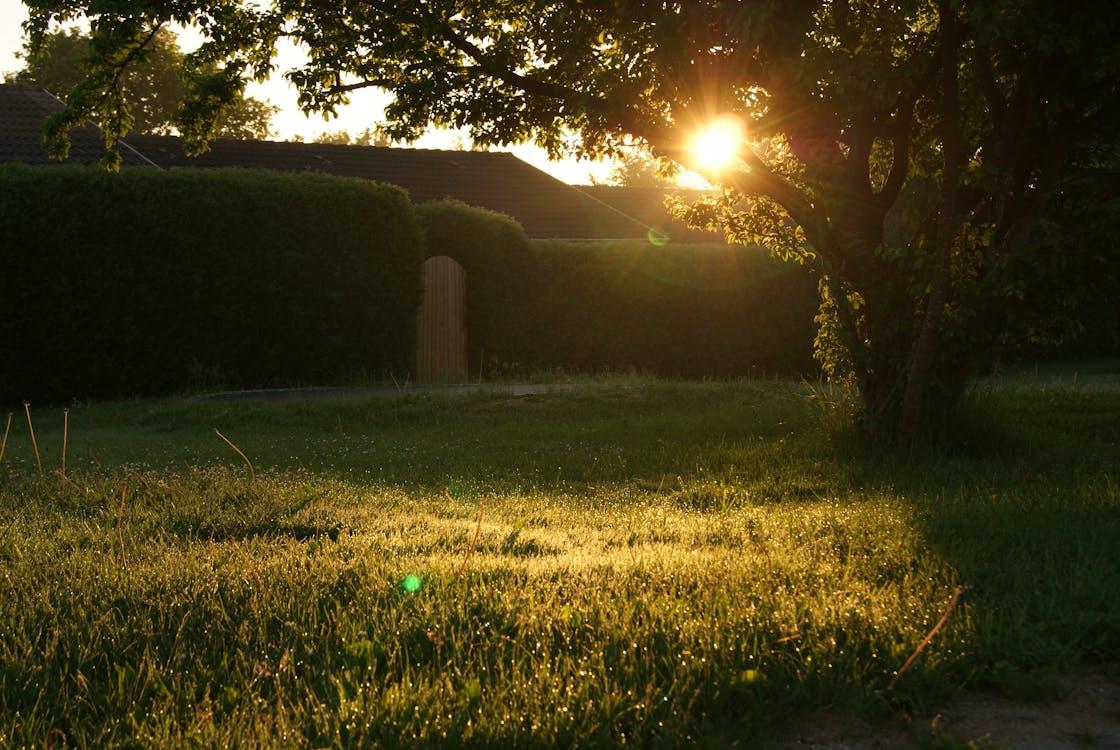
Your backyard has potential. You know it does. But standing out there, staring at the overgrown edges and worn-out patches, it can feel hard to know where to even begin. The good news? A backyard refresh doesn’t have to be overwhelming — or expensive. It just takes a clear starting point and a smart order of priorities.
Start with a Clean Slate
Before you buy anything or plant a single flower, clean up what’s already there. Pull the weeds. Trim the overgrowth. Get rid of broken furniture, cracked pots, and anything that’s been sitting around collecting moss. This step costs you nothing but time, and it completely changes how the space feels. Once it’s cleared, you can actually see what you’re working with.
Walk the space after the cleanup. Notice where the sun hits in the morning versus the afternoon. Spot the low areas where water tends to pool. Look at the natural flow — how do you move through the yard? Where do people tend to gather? These observations will guide every decision that follows.
Think About Structure Before Style
It’s tempting to jump straight to plants and décor, but structure comes first. Structure means the bones of the yard — the paths, borders, edges, and zones that define how the space is used.
This is where material choices really matter. Hardscaping elements like pathways, patios, and garden borders create the framework everything else builds on. One of the most versatile and budget-friendly options? Gravel and stone. If you’ve been searching for rock and gravel for sale, now is the time to put that research to good use. A simple gravel path can define a walkway, reduce muddy foot traffic, and give the yard a clean, intentional look without a major investment.
Decorative rock works just as well for garden borders, filling in low-maintenance zones around trees, or creating dry creek beds that solve drainage problems elegantly. The right gravel can do a lot of heavy lifting in a yard refresh.
Tackle the Lawn — But Be Realistic
A lush green lawn is the dream, but it’s also one of the most labor-intensive parts of any backyard. Before you reseed or resod, ask yourself how much lawn you actually need. If large sections are shaded, heavily trafficked, or constantly struggling, consider replacing them with gravel, mulch, or ground cover plants that thrive without much attention.
For the lawn areas you do want to keep, now is the time to aerate, overseed bare spots, and adjust your watering schedule. Small, consistent care goes a long way here.
Layer In the Planting
Once your structure is in place, you can start thinking about plants. The key is to layer — start with larger anchor plants like shrubs or small trees, then fill in with mid-sized perennials, and finally add low-growing ground covers or annuals for color.
Choose plants suited to your climate and sun conditions. Native plants are always a smart bet — they’re adapted to your environment, require less water, and tend to look natural and beautiful with minimal fuss. Group plants with similar water needs together to simplify maintenance down the road.
Don’t over-plant. A common mistake in yard refreshes is cramming too much in too fast. Give things room to grow, and the space will feel more intentional and polished for it.
Prioritize Outdoor Living
If you want your backyard to actually get used, focus some energy on creating a comfortable place to sit and spend time. This doesn’t mean a full outdoor kitchen. Even a simple seating area — a few chairs, a small table, some shade — transforms a backyard from a space you look at into a space you live in.
Lighting is also worth prioritizing. Solar path lights, string lights overhead, or a few well-placed lanterns make the space usable after sunset and add real ambiance without complicated wiring.
Maintenance: Keep It Manageable
The best backyard design is one you can actually keep up with. Before finalizing your plans, think honestly about how much time you want to spend on maintenance each week. The more hardscaping and low-water plants you incorporate, the less work it becomes over time. That’s why materials like gravel and rock are so popular — they look great, require almost no upkeep, and hold up year after year.
The Right Order Makes All the Difference
To recap: clean first, structure second, plant third, furnish fourth. Follow that order and the whole project will feel more manageable. You won’t find yourself replanting things to make room for a path you should have laid first, or regretting a furniture placement that blocks natural drainage.
A backyard refresh doesn’t have to happen all at once either. Tackle it in phases. Start with the cleanup and hardscaping, live with it for a season, then layer in the plants and finishing touches when you’re ready. The result will be a space that feels thoughtfully designed — because it was.
Your backyard is waiting. The best time to start is now.