
Mother Nature doesn’t send calendar invitations before she arrives. Whether it’s a hurricane brewing off the coast, a winter storm dumping feet of snow, or severe thunderstorms rolling through your neighborhood, natural disasters can strike with little warning. The difference between a manageable situation and a catastrophic one often comes down to preparation. Every homeowner should have a solid emergency plan in place long before dark clouds gather on the horizon.
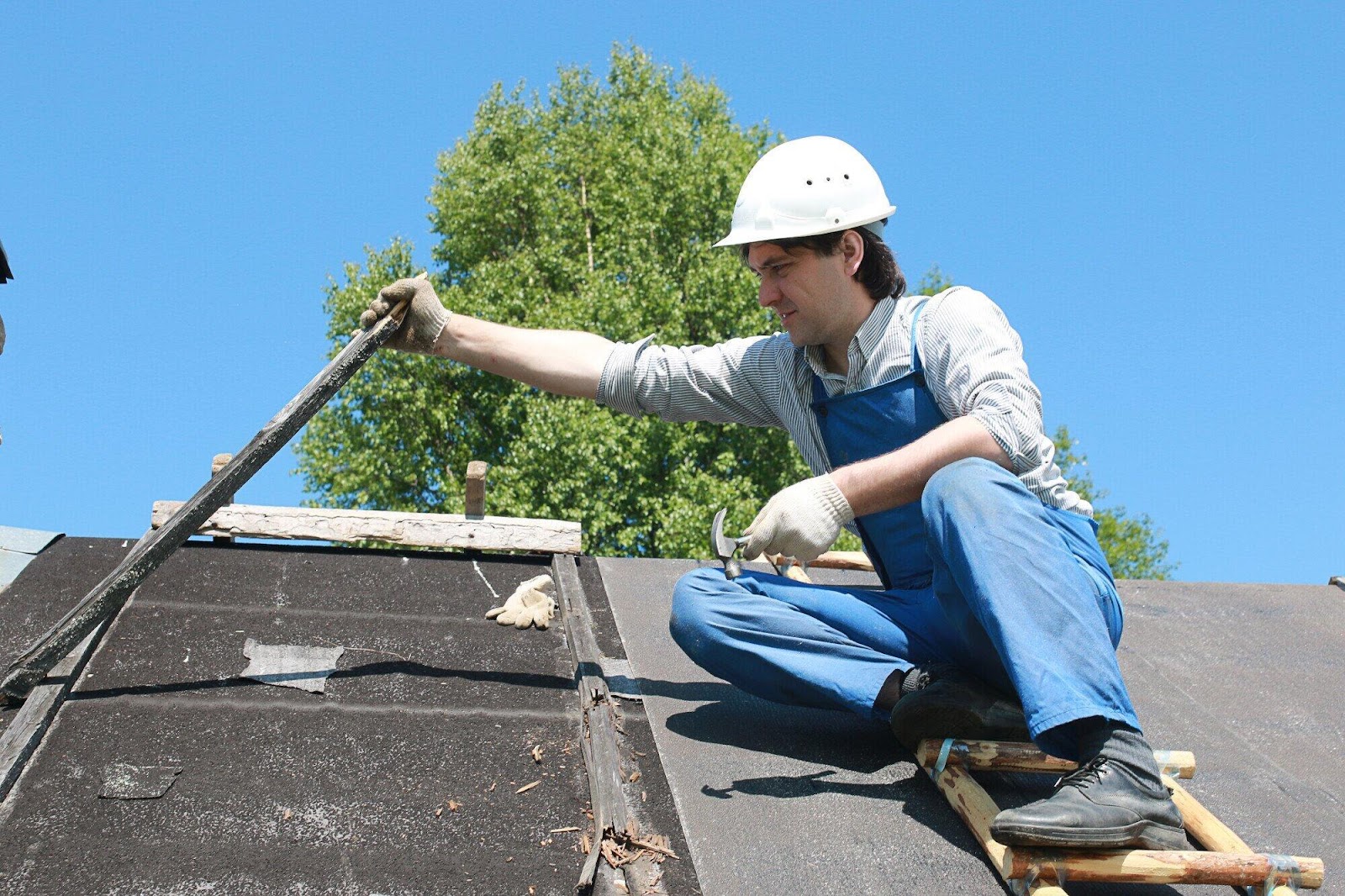
The foundation of any emergency preparation strategy starts with understanding your home’s vulnerabilities. Walk around your property with a critical eye. Are there dead tree branches hanging over your roof? Is your guttering system clear and functioning properly? According to Nor East Exteriors, a roofing contractor in Westbrook, CT, one of the most overlooked aspects of storm preparation is ensuring your roof is in good condition before severe weather arrives. A small leak that seems manageable on a sunny day can turn into major water damage when a storm dumps several inches of rain in a matter of hours.
Once you’ve assessed your home’s structural readiness, it’s time to think about supplies. Water is the single most critical resource during an emergency. You should have at least one gallon per person per day stored for a minimum of three days. Don’t forget about your pets in this calculation. Store water in clean, food-grade containers and rotate your supply every six months to keep it fresh. While you’re thinking about hydration, stock up on non-perishable foods that require minimal preparation. Canned goods, dried fruits, nuts, granola bars, and peanut butter are excellent choices that can sustain your family if you lose power or can’t leave your home.
A comprehensive first aid kit is non-negotiable. Beyond bandages and antiseptic, include any prescription medications your family members need, along with over-the-counter pain relievers, antihistamines, and anti-diarrheal medications. Add a thermometer, tweezers, scissors, and a first aid manual to round out your kit. Keep everything together in a waterproof container that’s easy to grab if you need to evacuate quickly.
Power outages are almost inevitable during severe weather events. Flashlights and battery-powered lanterns should be distributed throughout your home so every family member knows where to find light when darkness falls. Keep plenty of extra batteries on hand, and consider investing in a hand-crank radio that doesn’t depend on batteries or electricity. This radio becomes your lifeline to weather updates and emergency information when your phone dies and the power is out.
Speaking of phones, portable chargers are essential in our connected world. Keep several fully charged power banks ready to go, and consider purchasing a solar charger as a backup option. During an emergency, your phone isn’t just for scrolling social media. It’s your connection to emergency services, your source of weather updates, and potentially your only way to let loved ones know you’re safe.
Important documents deserve special attention in your emergency preparations. Create waterproof copies of insurance policies, identification documents, bank account information, and medical records. Store these in a fireproof and waterproof safe or in a portable container that you can grab quickly. Digital backups stored in the cloud provide an additional layer of security, but having physical copies ensures access even when internet service is disrupted.
Cash often becomes king when the power goes out and credit card systems fail. Keep several hundred dollars in small bills tucked away in your emergency supplies. You never know when you’ll need to purchase supplies from a store running on backup generators or pay someone for emergency assistance.
Don’t overlook basic tools and supplies. A manual can opener might seem old-fashioned, but it becomes invaluable when your electric opener is useless. Add duct tape, plastic sheeting, work gloves, a basic tool kit, and a fire extinguisher to your emergency stash. These items can help you make temporary repairs, seal off broken windows, or address minor emergencies before professional help arrives.
For families with young children or elderly members, special considerations are necessary. Stock up on diapers, formula, and baby food if you have infants. Elderly family members may need extra medications, medical equipment, or comfort items that help them manage stress during difficult situations.
Create an evacuation plan and practice it with your family. Everyone should know at least two ways to exit each room and where to meet outside the home. Identify a friend or family member who lives out of state to serve as a central contact point if local communication becomes difficult. Sometimes it’s easier to call long distance than across town during a disaster.
Your emergency preparations aren’t complete until you’ve communicated your plans to everyone in your household. Children should understand what to do if disaster strikes while parents aren’t home. Elderly family members need to know where supplies are located and how to use emergency equipment.
Natural disasters are inevitable, but being caught unprepared isn’t. The time you invest now in gathering supplies, making plans, and securing your home will pay dividends when the next storm approaches. Start today with small steps, gradually building your emergency readiness until you can face whatever nature throws your way with confidence rather than fear.