
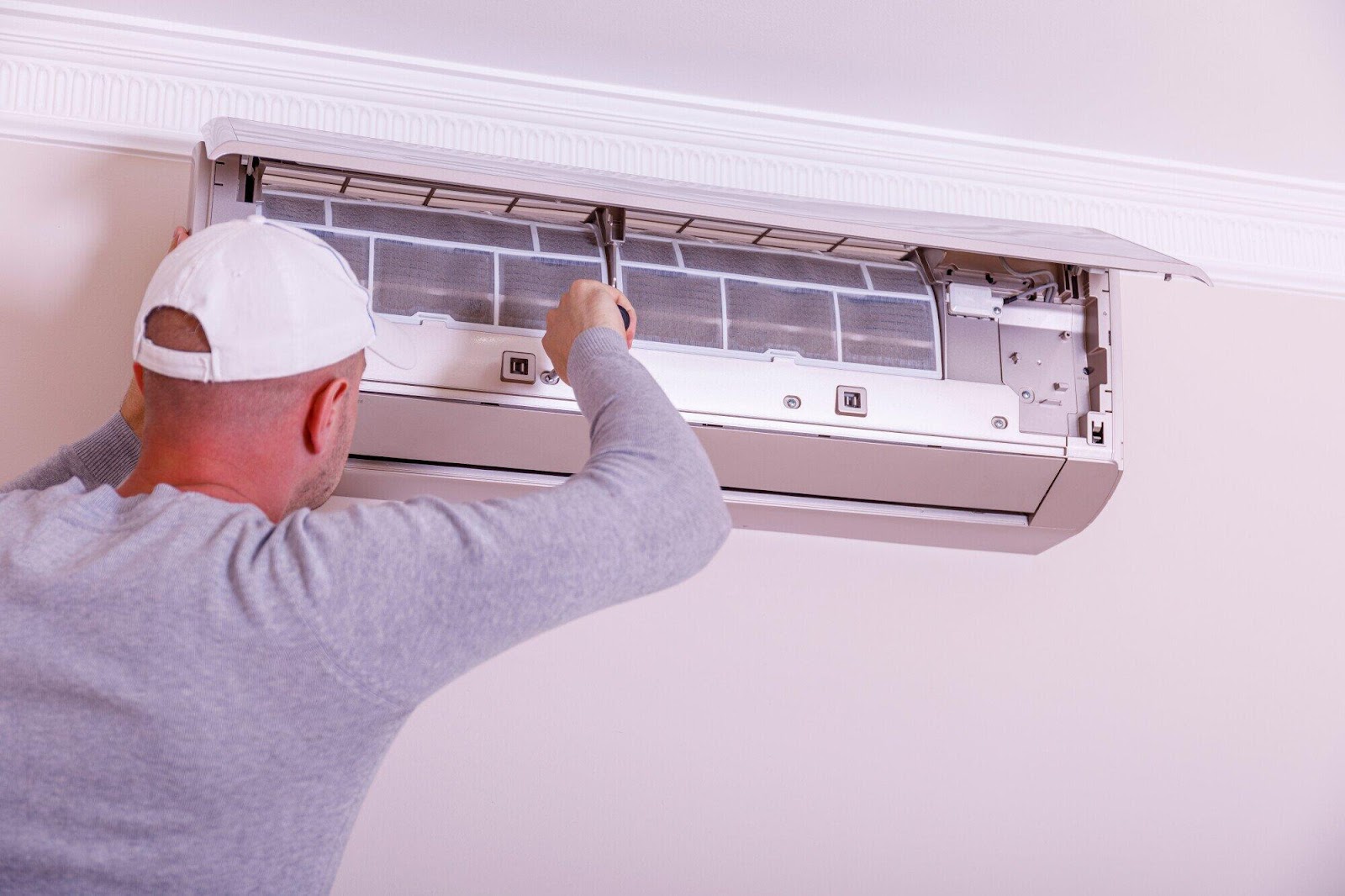
Cold winter air finds its way inside homes faster than many people expect. Drafts, small gaps, and aging systems allow heat to escape without notice. As temperatures drop, heating systems work harder to maintain comfort. These issues lead to higher energy bills and uneven warmth. Understanding how heat loss happens helps homeowners take simple steps that keep warm air inside where it belongs during the winter months.
Many homeowners consult an hvac installation contractor to address heat loss and comfort concerns. Professional insight helps identify weak spots that affect indoor warmth. This article walks through practical ways to retain heat, improve comfort, and reduce unnecessary energy use without major disruption to daily routines.
1. Seal Doors and Windows Properly
Air leaks around doors and windows account for a large portion of winter heat loss. Gaps allow warm air to escape and cold air to enter. Proper sealing improves comfort fast and supports stable indoor temperatures.
- Door gaps and thresholds
Weatherstripping along door frames reduces drafts. Door sweeps block cold air from entering underneath.
- Window edges and frames
Caulking seals small cracks around window edges. Thermal curtains add another layer of protection.
2. Improve Attic and Wall Insulation
Insulation plays a major role in heat retention. Homes with thin or aging insulation lose warmth through ceilings and exterior walls. Better insulation slows heat movement and supports even temperatures.
- Attic insulation focus
Heat rises, which makes attic insulation critical. Adequate insulation keeps warmth inside living spaces.
- Exterior wall coverage
Insulated walls reduce heat transfer. This improvement lowers heating demand and enhances comfort.
3. Maintain Heating Equipment Performance
Heating systems lose efficiency without care. Dust buildup and worn parts reduce output and increase run time. Maintenance keeps systems responsive and balanced.
Routine service checks airflow and component health. Clean filters allow proper circulation. Homeowners usually schedule maintenance alongside guidance from an hvac installation contractor to ensure reliable winter performance. Consistent upkeep prevents uneven heat and unnecessary energy use during cold months.
4. Adjust Thermostat Use Wisely
Thermostat habits affect heat retention. Large temperature swings cause systems to work harder than needed. Gradual adjustments support steady warmth.
Lower settings at night reduce strain. Programmable schedules help regulate heating cycles. Smart thermostats assist with timing and temperature consistency. Balanced thermostat use keeps warm air inside without overworking heating equipment.
5. Professional Inspection and Support
Some heat loss issues require trained evaluation. Professionals assess areas that frequently go unnoticed. Their insight helps prioritize improvements that offer real benefits.
- System efficiency evaluation
- Duct leakage assessment
- Insulation condition review
- Equipment sizing confirmation
Many homeowners rely on professional services to identify long-term solutions and prevent repeated heat loss.
6. Address Ductwork and Airflow Issues
Ducts deliver warm air throughout the home. Leaks or blockages waste heat before it reaches rooms. Proper airflow ensures warmth spreads evenly.
- Duct sealing and repair
Sealed ducts prevent air loss in attics and crawl spaces. Repairs restore balanced distribution.
- Airflow balance checks
Balanced airflow avoids cold spots. Rooms receive consistent warmth.
Warm air stays inside homes when small details receive attention. Sealing gaps, improving insulation, maintaining equipment, and managing airflow all work together to reduce heat loss. Thoughtful thermostat use and professional inspection add another layer of protection. These steps help homes stay comfortable without excessive energy use. With the right approach, winter warmth becomes easier to maintain and far less costly.