
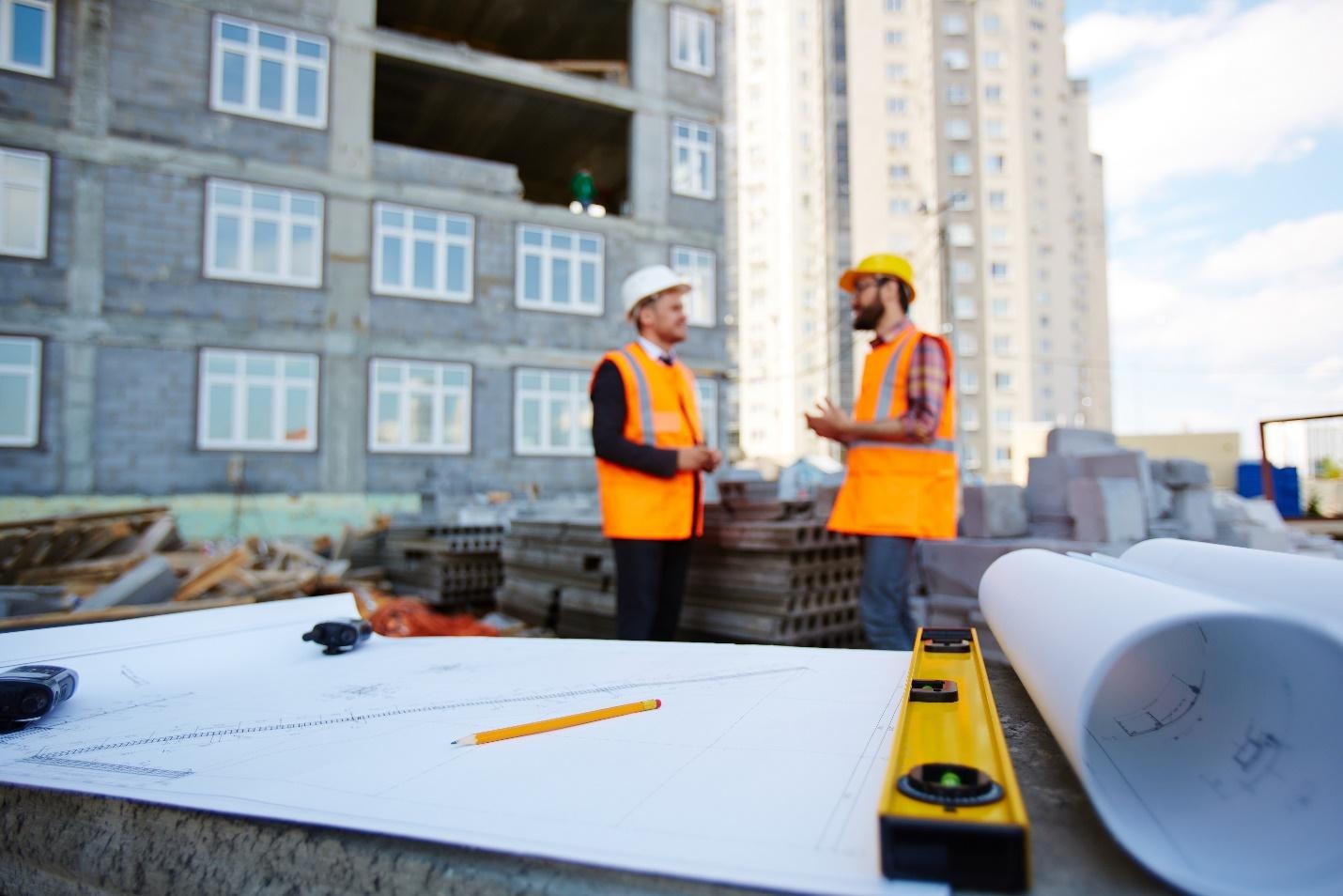
Construction sites are demanding environments where workers face physical strain, weather exposure, and health risks daily. While most project managers focus on equipment and materials, the amenities provided for workers often determine project success more than any other factor.
Adequate facilities on job sites are not optional extras. They are legal requirements in Australia and directly influence worker retention, productivity, and safety outcomes. A 2023 industry survey found that 67% of construction workers listed poor site amenities as a primary reason for leaving employers, while projects with comprehensive facilities reported 23% fewer lost-time injuries.
Why Site Amenities Directly Impact Project Outcomes
Construction workers perform physically demanding tasks in challenging conditions. Without proper facilities, fatigue sets in faster, concentration drops, and accident rates climb. Heat stress alone accounts for approximately 35% of non-fatal construction injuries in Australia during summer months.
Beyond safety, amenities affect recruitment and retention. The construction industry faces persistent labor shortages, with over 130,000 unfilled positions projected by 2025. Companies that invest in worker comfort gain competitive advantages in attracting skilled trades. Workers actively compare employers based on site conditions, and word spreads quickly about which contractors provide adequate facilities versus those who cut corners.
The financial logic is clear. The average cost of a workplace injury in construction exceeds $85,000 when factoring in lost time, replacement workers, and regulatory penalties. Providing proper amenities costs a fraction of this amount while preventing most common injury types.
Legal Requirements Under Australian Work Health and Safety Regulations
Every construction site in Australia must meet minimum standards under the Work Health and Safety Act 2011 and associated regulations. State-specific codes add additional requirements, but core obligations remain consistent across jurisdictions.
Toilet facilities are mandatory when workers are on-site for more than two hours. The specific ratio depends on workforce size, but generally requires one toilet for every 15 workers, plus additional facilities for sites exceeding 50 people. These must be maintained in sanitary condition with adequate ventilation, lighting, and privacy.
Accessibility cannot be overlooked. Sites must provide facilities suitable for all workers, including those with mobility challenges. A properly equipped disabled portable toilet ensures compliance with discrimination laws while supporting inclusive hiring practices.
Handwashing stations must be located adjacent to toilets with running water, soap, and drying facilities. Cold water alone does not meet standards; tepid or temperature-controlled water is required for effective hygiene.
Drinking water must be readily accessible, with guidelines recommending one liter per person per hour during hot weather. Contaminated or insufficient water supplies have resulted in substantial fines for contractors, particularly on remote sites.
Eating facilities are required when workers consume meals on-site. These spaces must provide shelter from weather, seating, and protection from contaminants. Many jurisdictions also require refrigeration for food storage and heating facilities for meals.
Non-compliance carries significant penalties. Safe Work Australia issued over $4.2 million in fines related to inadequate site facilities in 2023 alone. Beyond financial penalties, poor amenities can result in stop-work orders that delay projects and damage client relationships.
Core Amenities Every Construction Site Needs
Sanitation and Hygiene Facilities
Portable toilets form the foundation of site sanitation. However, not all units meet modern standards. Quality matters significantly for health outcomes and worker satisfaction.
Standard portable toilets require weekly servicing minimum, more frequently for larger crews. Ventilation systems prevent odor buildup and bacterial growth. Hand sanitiser alone is insufficient; proper handwashing facilities with soap and water are mandatory under health codes.
For sites with diverse workforces, accessibility features become essential. Understanding what five features to look for in a portable toilet for worksites helps ensure facilities meet both regulatory requirements and worker needs.
Sites should calculate toilet requirements based on peak workforce numbers, not averages. A site with 40 workers needs at minimum three toilets, positioned to reduce walking distances. Industry best practice suggests no worker should travel more than 200 meters to access facilities.
Clean Water Access
Construction work increases dehydration risk substantially. Workers performing heavy labor in summer heat may require up to eight liters of water daily. Insufficient hydration contributes to heat stress, reduced cognitive function, and increased injury rates.
Water stations should be positioned throughout the site, particularly in areas without shade. Insulated containers maintain temperature in extreme weather. Some contractors now use smart water coolers that track consumption and alert supervisors when supplies run low.
Quality matters as much as quantity. Water sources must be tested regularly for contamination, especially on sites using temporary plumbing. Stored water requires cleaning and replacement every 24 hours to prevent bacterial growth.
Shelter and Rest Areas
Workers need protected spaces to escape weather extremes, eat meals, and recover between tasks. Basic sheds or demountable buildings work for smaller sites, while major projects often deploy purpose-built amenity blocks.
Effective rest areas include:
- Seating sufficient for one-third of the workforce to accommodate rotating breaks
- Weather protection including insulation against heat and cold
- Ventilation or climate control to maintain safe temperatures
- Lighting for sites operating outside daylight hours
- Tables for meals and paperwork
- First aid supplies and emergency communication equipment
Rest areas should be separated from work zones to minimise noise and dust exposure. Locating these facilities near toilets and water sources creates logical amenity clusters that workers can access efficiently.
Accessibility and Inclusive Site Planning
Construction sites must accommodate workers of all abilities. Beyond legal compliance, inclusive facilities demonstrate organisational values and expand the available labor pool.
Standard portable toilets present barriers for workers with mobility challenges, wheelchair users, or those requiring assistance devices. Ramps, wider doors, grab rails, and adequate interior space are essential modifications. These features benefit all workers, including those recovering from injuries or managing temporary conditions.
Sites should designate accessible parking near amenity areas. Pathways between facilities need maintenance to prevent hazards like mud, debris, or uneven surfaces that complicate wheelchair access.
Temperature-controlled facilities particularly benefit workers with medical conditions sensitive to heat or cold. Providing shaded rest areas, cooling stations, and heating during winter supports diverse health needs across the workforce.
The Productivity Connection
Well-maintained amenities directly correlate with productivity metrics. Workers who access clean, comfortable facilities during breaks return to tasks refreshed rather than frustrated or uncomfortable.
A Queensland study tracking 15 construction sites over six months found projects with above-minimum amenity standards completed tasks 12% faster on average. Workers reported higher job satisfaction and were 40% less likely to call in sick.
The relationship works through multiple mechanisms:
Reduced time off-site. Workers at projects with inadequate facilities often leave during breaks to find proper toilets or buy meals, extending break times and reducing productive hours.
Better concentration. Discomfort from inadequate facilities distracts workers and increases errors. Tasks requiring precision or safety awareness suffer when workers are physically uncomfortable.
Lower turnover. Sites with quality amenities retain workers longer, reducing time lost to training replacement staff. Experienced crews work more efficiently than constantly rotating teams.
Enhanced morale. When employers demonstrate care for worker comfort, team cohesion improves. Positive site culture translates to better communication and fewer conflicts that slow progress.
The investment in amenities pays for itself through these efficiency gains, often within the first month of a project.
Maintaining Standards Throughout Project Lifecycles
Initial setup matters, but consistent maintenance determines whether amenities remain effective. Facilities that start adequate often deteriorate without proper servicing protocols.
Toilets require regular cleaning and waste removal. Sites operating in remote areas need larger-capacity units or more frequent servicing to maintain hygiene. Summer months increase usage and require enhanced cleaning schedules.
Water stations need daily checks for cleanliness and supply levels. Rest areas require regular cleaning, particularly eating surfaces and shared equipment. Trash removal prevents pest problems and maintains sanitary conditions.
Many contractors now assign specific workers to monitor amenity conditions, reporting issues before they escalate. Daily checklists ensure accountability and create documentation demonstrating compliance during inspections.
Digital tracking systems help larger projects manage multiple facility locations. GPS-enabled portable toilets alert service providers when capacity thresholds are reached, preventing overflows and unsanitary conditions.
Selecting Amenity Providers
Not all rental companies provide equivalent service or equipment quality. Vetting providers carefully prevents problems that disrupt projects and create liability.
Reliable providers offer flexible rental terms that adjust to changing workforce sizes. Projects rarely maintain constant worker numbers, and amenity requirements shift accordingly. Contracts should allow additions or removals without excessive fees.
Equipment condition varies significantly between providers. Newer units with modern ventilation, lighting, and sanitation features cost marginally more but deliver substantially better user experiences. Inspecting units before delivery prevents receiving substandard equipment.
Response times matter when issues arise. Providers should guarantee emergency service within specified timeframes. Overflowing toilets or broken handwashing stations create immediate health hazards that demand rapid resolution. This is where established suppliers such as Instant Toilets & Showers stand out, offering purpose-built portable toilets, shower units, and site amenities designed specifically for Australian construction conditions, along with reliable servicing schedules that help sites remain compliant.
For long-term projects, some contractors purchase rather than rent amenity equipment. This makes economic sense for sites operating beyond six months, particularly in remote locations where rental costs accumulate quickly.
Planning for Extreme Conditions
Australian construction sites face diverse climatic challenges from tropical heat to alpine cold. Amenities must function reliably across these extremes.
Summer heat requires additional water supplies, shaded rest areas, and potentially climate-controlled facilities for workers performing the most demanding tasks. Some sites now deploy cooling stations where workers can briefly lower core body temperatures during heat waves.
Cold weather demands heated rest areas, insulated water lines to prevent freezing, and sheltered toilet facilities. Workers exposed to cold and wet conditions need spaces to dry clothing and warm up before continuing work.
Remote sites present unique challenges. Water may require trucking from distant sources. Waste disposal needs careful planning to meet environmental regulations. Some locations require self-contained amenity units with holding tanks and power generation capabilities.
Bushfire-prone areas require fire-resistant amenity structures and emergency evacuation protocols. Flood-prone sites need elevated facilities and rapid relocation plans.
Construction excellence depends on more than technical skills and quality materials. Workers need proper amenities to perform safely and effectively. Sites that prioritise facility standards demonstrate professional management and reap measurable benefits in productivity, safety outcomes, and workforce stability.
Smart contractors recognise amenity investment as competitive advantage rather than regulatory burden. In an industry facing persistent labor shortages, the employers who provide superior working conditions will attract and retain the skilled workers essential for project success.