
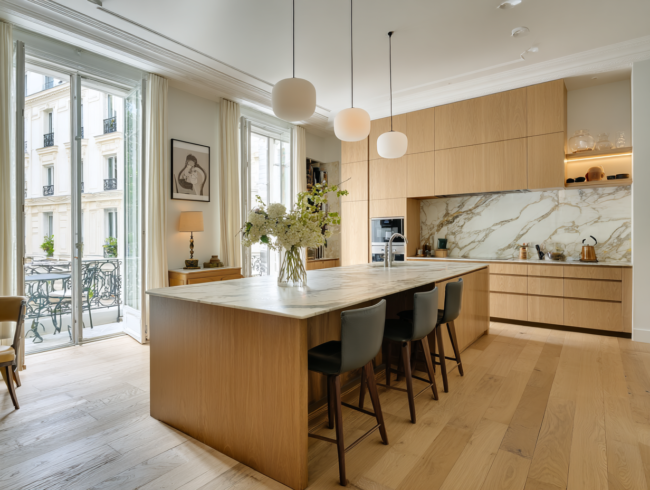
Walk into a kitchen with natural wood cabinetry and you feel it instantly. The space feels alive, grounded, and welcoming in a way painted surfaces rarely achieve. While painted cabinets have their place in modern design, there is a timeless comfort that comes from real wood—especially oak.
The grain, tone variation, and natural depth of oak create a sense of warmth that goes beyond color. This is not about trends or fleeting styles. It is about how materials make people feel in a space they use every day.
An oak kitchen cabinet does more than store dishes or frame appliances. It becomes part of the emotional atmosphere of the kitchen. It softens hard surfaces, balances light, and gives the room a lived-in character that paint simply cannot mimic. This article explores why oak cabinetry continues to stand apart, how it shapes the mood of a kitchen, and why its warmth remains unmatched.
The Emotional Power of Natural Materials
Humans respond instinctively to natural materials. Wood, stone, and metal all carry visual cues that connect us to nature. Oak, in particular, has a calming presence. Its grain patterns are organic and irregular, unlike the flat uniformity of paint. When light hits oak, it reflects softly rather than bouncing harshly, creating a gentle glow throughout the room.
Painted cabinets often rely on color alone to create mood. Oak brings depth, texture, and movement. The eye follows the grain lines, noticing subtle shifts in tone. This visual complexity creates warmth on a subconscious level. Even lighter oak tones feel cozy because they reveal the wood’s natural structure rather than hiding it beneath pigment.
Oak’s Natural Grain Creates Visual Warmth
Warmth in design is not just about color temperature. It is about texture, contrast, and how surfaces interact with light. Oak’s open grain adds dimension that paint cannot reproduce. Each panel carries its own story through knots, lines, and growth patterns formed over decades.
An oak kitchen cabinet showcases this natural variation. No two doors look exactly alike, which gives the kitchen character and authenticity. Painted cabinets aim for perfection and uniformity, but that very sameness can make a space feel sterile. Oak embraces imperfection in a way that feels human and comforting.
The grain also prevents visual fatigue. In kitchens with large runs of cabinetry, painted surfaces can feel flat or overwhelming. Oak breaks up the monotony with natural movement, keeping the space visually engaging without being busy.
Why Painted Cabinets Feel Cooler Over Time
Painted cabinets often look crisp and fresh at first. White, gray, and pastel tones can brighten a space quickly. Over time, though, they may start to feel cold or dated as trends shift. The warmth they rely on is surface-level, tied to fashion rather than material.
Paint also creates a barrier between the user and the cabinet itself. You are interacting with a coating, not the material beneath. Oak invites touch. You feel the wood grain under your hand, even when sealed. That tactile connection reinforces warmth in ways paint cannot achieve.
In contrast, an oak kitchen cabinet ages gracefully. Small marks, changes in tone, and natural patina add to its appeal instead of detracting from it. Where paint chips or scuffs feel like flaws, wear on oak often enhances its character.
Oak’s Relationship With Light
Light behaves differently on wood than on painted surfaces. Oak absorbs and reflects light in balanced measure. During the day, sunlight brings out golden undertones that make the kitchen feel bright yet grounded. In the evening, warm artificial lighting deepens the wood’s richness, creating a cozy atmosphere.
Painted cabinets often reflect light evenly and sharply. While this can increase brightness, it may also amplify glare. Oak softens light, diffusing it across the grain. This makes kitchens feel more relaxed and inviting, especially in open-plan homes where the kitchen blends into living areas.
The natural warmth of an oak kitchen cabinet also adapts well to changing light conditions. It does not look stark in winter or washed out in summer. Its tone remains stable and comforting throughout the year.
Timeless Appeal That Outlasts Trends
Design trends come and go quickly. One year favors bright white kitchens, the next embraces bold colors or dark finishes. Oak has endured through every cycle. Its warmth is not dependent on fashion but on material quality.
Homes with oak kitchens rarely feel outdated. Even older oak cabinets can be refreshed with new hardware, updated lighting, or subtle refinishing. Painted cabinets often require full repainting to stay current, which can be costly and time-consuming.
Choosing an oak kitchen cabinet is a long-term decision. It reflects a preference for lasting beauty over temporary trends. This timelessness contributes to the warmth people associate with oak kitchens—they feel stable, reliable, and familiar.
The Psychological Comfort of Wood Tones
Color psychology plays a role in how we experience spaces. Warm wood tones are associated with comfort, safety, and relaxation. Oak falls into this category naturally. Its hues range from light honey to deeper amber, all of which evoke warmth without overwhelming the room.
Painted cabinets depend on carefully chosen shades to achieve similar effects. A white may feel too stark. A beige may look dull. A trendy color may feel dated quickly. Oak avoids these pitfalls by offering natural balance.
An oak kitchen cabinet supports emotional well-being in subtle ways. Kitchens are gathering spaces where families cook, talk, and connect. Wood tones encourage lingering, conversation, and ease—qualities that painted surfaces struggle to replicate.
Oak Complements a Wide Range of Design Styles
One of oak’s strengths is its versatility. It works equally well in traditional, transitional, farmhouse, and even modern kitchens when styled correctly. The warmth remains consistent, while the overall look adapts to its surroundings.
In traditional kitchens, oak reinforces classic charm and craftsmanship. In modern spaces, clean-lined oak cabinetry adds warmth that offsets sleek countertops and appliances. Painted cabinets often dominate a style, while oak supports it.
Because an oak kitchen cabinet adapts so easily, it allows homeowners to change other elements of the kitchen over time without losing cohesion. New backsplashes, counters, or wall colors still feel grounded when paired with oak.
Craftsmanship You Can See and Feel
Oak has long been favored by craftsmen for its strength and workability. This heritage shows in finished cabinetry. Joints, panels, and frames feel solid. Doors close with weight and confidence. These qualities contribute to a sense of warmth that goes beyond appearance.
Painted cabinets can conceal construction details. Oak highlights them. You can see the joinery, feel the thickness of the wood, and appreciate the care taken in its creation. That honesty in materials creates trust and comfort in the space.
An oak kitchen cabinet communicates quality at a glance. It feels permanent and dependable, reinforcing the idea that the kitchen is the heart of the home.
Aging Gracefully Instead of Wearing Out
All kitchens experience wear. The difference lies in how materials respond. Paint shows scratches, chips, and discoloration clearly. These flaws often demand repair to maintain appearance.
Oak responds differently. Minor dents blend into the grain. Color deepens naturally. What might be considered damage on painted cabinets becomes character on oak. This graceful aging adds warmth because the kitchen tells a story rather than showing signs of decline.
With an oak kitchen cabinet, time becomes an ally instead of an enemy. The kitchen grows richer and more inviting as years pass.
Sustainability and Natural Warmth
Oak is often sourced responsibly and can last for generations. Choosing natural wood supports sustainability by reducing the need for frequent replacement. Painted cabinets may require repeated refinishing, increasing material use over time.
There is also a psychological warmth that comes from knowing a material is natural and enduring. Oak feels honest and grounded. This awareness subtly influences how comfortable people feel in the space.
An oak kitchen cabinet aligns warmth with responsibility, creating a kitchen that feels good both emotionally and ethically.
Maintenance That Preserves Character
Caring for oak cabinetry is straightforward. Regular cleaning and occasional conditioning keep the wood looking healthy. Unlike paint, oak does not demand perfection. Small changes enhance rather than detract.
Painted cabinets often require touch-ups to maintain a uniform look. Oak accepts variation. This forgiving nature reduces stress for homeowners, allowing them to enjoy their kitchen rather than constantly protect it.
The ease of maintaining an oak kitchen cabinet contributes to its warmth. A space that feels relaxed and lived-in is always more inviting than one that demands constant vigilance.
How Oak Grounds the Kitchen as a Living Space
Modern kitchens often serve multiple purposes. They are not just for cooking but for working, entertaining, and relaxing. Oak helps anchor these functions by adding warmth that bridges utility and comfort.
Painted cabinets may suit a showroom aesthetic, but oak makes the kitchen feel like part of daily life. It softens the edges of technology and appliances, creating balance.
An oak kitchen cabinet turns the kitchen into a place where people want to spend time, not just pass through.
The Subtle Luxury of Real Wood
Luxury does not always mean gloss or bold color. Often, it lies in authenticity and quality. Oak offers a quiet luxury rooted in craftsmanship and natural beauty. It does not shout for attention but earns admiration over time.
Painted cabinets can appear polished, yet they often lack depth. Oak provides richness without excess. Its warmth feels refined rather than flashy.
Choosing an oak kitchen cabinet reflects confidence in materials and an appreciation for understated elegance.
Conclusion
Oak cabinetry brings warmth that paint simply cannot replicate. Its natural grain, interaction with light, emotional comfort, and timeless appeal create kitchens that feel alive and welcoming. While painted cabinets rely on surface color, oak offers depth, texture, and authenticity. In a space meant for connection and daily living, that difference matters.