
In modern home design, the roof does much more than protect the house from the elements. It plays a major role in how a home looks, feels, and performs over time.
A well-chosen roof style can improve energy efficiency, increase comfort, and boost curb appeal. Today’s homeowners are also thinking more about sustainability, durability, and long-term value, which makes roof design more important than ever.
Modern homes tend to favor clean lines, simple shapes, and smart use of space. Each one offers unique benefits depending on climate, budget, and design goals. This article explores the top roof styles for modern homes and explains why they are worth considering.
Flat Roofs: Clean, Modern, and Practical
Flat roofs are one of the most common choices for modern homes. While they appear completely flat, they actually have a slight slope to allow water to drain properly. Flat roofs are often seen in minimalist, industrial, and urban-style homes.
One major reason flat roofs are worth it is their clean and modern appearance. They create sharp lines and a simple silhouette that works well with large windows and open layouts. Flat roofs also offer practical advantages.
Many homeowners use them as rooftop gardens, terraces, or outdoor seating areas, which adds usable space without increasing the home’s footprint. Flat roofs are also easier to access than steep roofs, making inspections and maintenance simpler. In many cases, they require fewer materials and less complex framing, which can help reduce construction costs.
Modern waterproof membranes have greatly improved their durability, making flat roofs more reliable than they were in the past. Check out the roofing company in Chicago IL, to learn more.
Shed Roofs: Simple Design with Big Impact
A shed roof has a single slope that usually angles in one direction. This roof style is simple, modern, and visually striking, making it a favorite for contemporary homes.
Shed roofs are worth considering because they allow for higher ceilings and larger windows on one side of the home. This brings in more natural light and makes interior spaces feel brighter and more open. The simple structure of a shed roof also makes it easier and more affordable to build than complex roof designs.
Another advantage is energy efficiency. The single slope can be positioned to face the sun, making it ideal for solar panels.
Despite its simplicity, a shed roof adds character and works well with modern materials like wood, metal, and concrete. Proper drainage planning is important, since all rainwater flows in one direction.
Gable Roofs: Familiar, Functional, and Flexible
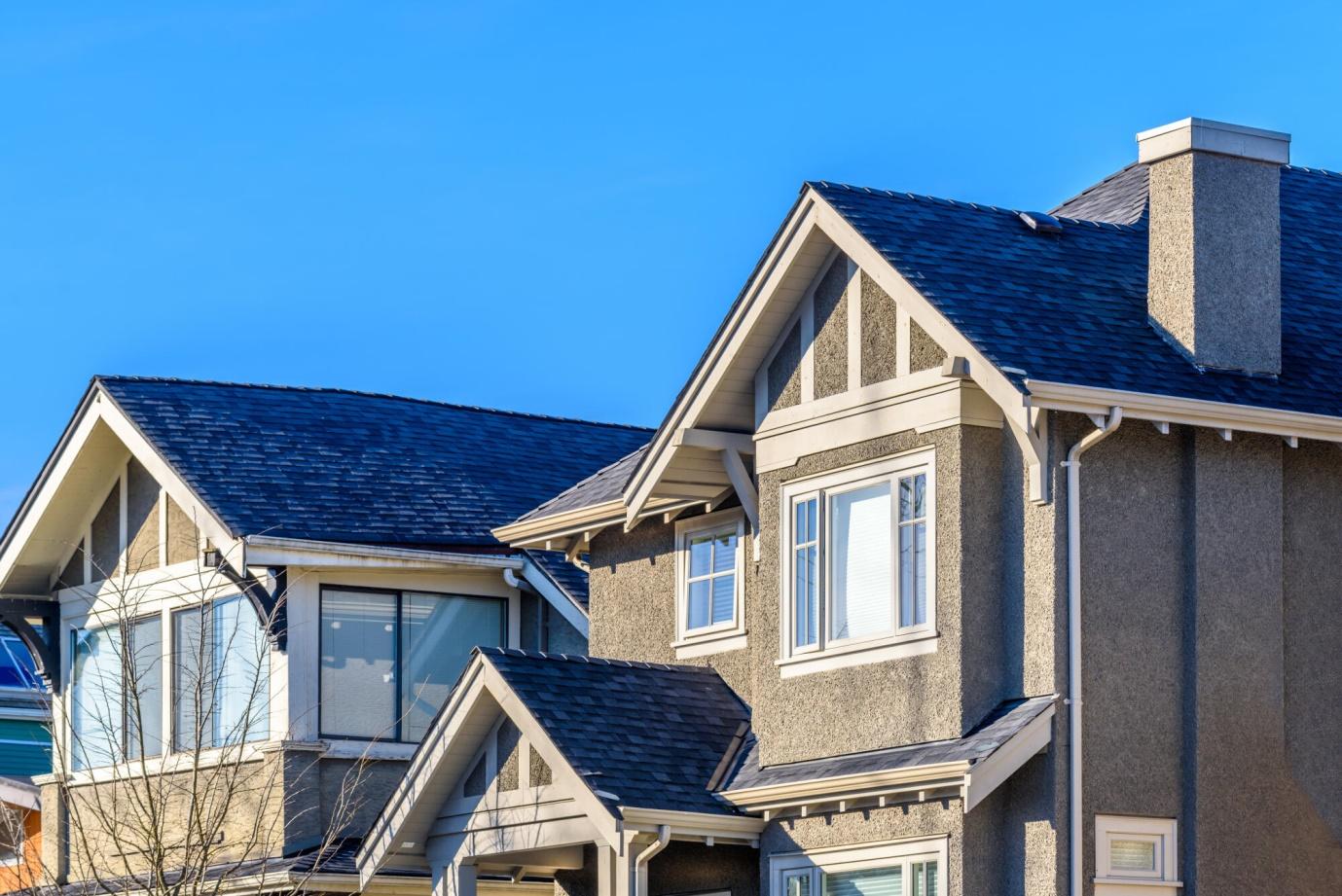
Gable roofs feature two sloping sides that meet at a central ridge. This classic roof style has been used for centuries, but it still works very well in modern homes.
One reason gable roofs are worth it is their excellent performance in different climates. The sloped design allows rain and snow to slide off easily, reducing the risk of leaks or buildup. Gable roofs also create attic space that improves ventilation and helps regulate indoor temperatures.
In modern architecture, gable roofs are often combined with flat or shed roof sections to create a fresh, updated look. Their simple shape makes them cost-effective and easy to build. With proper construction, gable roofs are durable and long-lasting, making them a reliable choice for many homeowners.
Hip Roofs: Strong, Balanced, and Weather-Resistant
Hip roofs slope on all four sides, creating a balanced and symmetrical shape. While they are often associated with traditional homes, hip roofs are becoming more common in modern designs.
Hip roofs are worth the investment because of their strength and stability. The four-sided design makes them more resistant to strong winds, which is especially helpful in storm-prone areas. They also handle rain and snow well, reducing maintenance concerns.
From a design standpoint, hip roofs offer a clean and polished look that pairs well with modern architecture. They can also provide attic or storage space, depending on the roof’s pitch. Although hip roofs cost more to build due to their complexity, their durability often makes them a smart long-term choice.
Butterfly Roofs: Bold Design with Eco Benefits
Butterfly roofs feature two sloping sections that angle inward toward the center, creating a V-shape. This dramatic design stands out and is commonly seen in modern and eco-friendly homes.
Butterfly roofs are worth it because they combine strong visual appeal with practical benefits. The inward slope naturally directs rainwater to a central point, making it ideal for rainwater collection systems. This supports sustainable living and water conservation.
The design also allows for high ceilings and large windows, which increase natural light and improve airflow. Solar panels can be installed on the sloping surfaces at effective angles. While butterfly roofs require careful engineering and drainage planning, they offer a unique blend of style and sustainability.
Curved Roofs: Smooth, Modern, and Eye-Catching
Curved roofs use flowing lines instead of sharp angles. They are less common but make a strong statement in modern architecture.
Curved roofs are worth considering because they add a sense of movement and elegance to a home. Their shape can help reduce wind pressure and improve overall structural performance. Inside the home, curved roofs create open and dynamic spaces that feel unique and inviting.
These roofs often work well with eco-friendly materials and green design concepts. However, they usually require custom construction and skilled labor, which can increase costs. For homeowners who want a distinctive and modern look, curved roofs offer unmatched visual appeal.
Green Roofs: Sustainable and Smart
Green roofs are covered with plants and vegetation installed over a waterproof system. They can be applied to flat or gently sloped roofs and are growing in popularity.
Green roofs are worth it because they provide natural insulation, helping reduce heating and cooling costs. They absorb rainwater, which reduces runoff and supports better water management. Green roofs also improve air quality and create a more natural living environment.
In addition to environmental benefits, green roofs protect the roof surface from sun damage, which can extend its lifespan. While they require proper planning, structural support, and maintenance, green roofs offer long-term value for eco-conscious homeowners.
Choose the Right Roof for Your Home
The roof is one of the most important features of a modern home. It affects how the house looks, how it performs, and how comfortable it is to live in.
Flat roofs, shed roofs, gable roofs, hip roofs, butterfly roofs, curved roofs, and green roofs all offer unique advantages. Choosing the right roof style is an investment in comfort, durability, and design.
If you want to read more articles, visit our blog.