
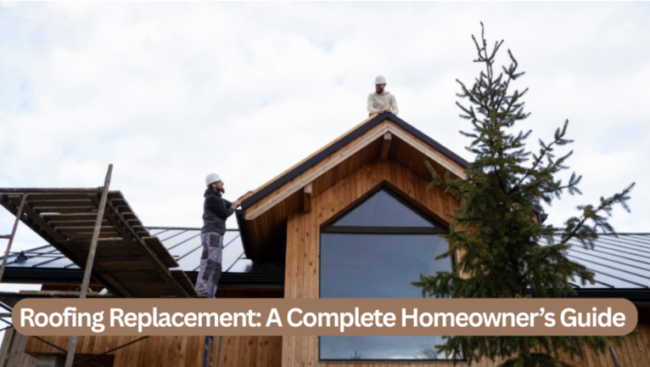
Roof damage is a huge source of headaches to homeowners, not only in terms of leakage problems and structural damage, but it also leads to high repair costs. Exposure to unfriendly weather, falling debris, and natural erosion may compromise roofing materials over time, leaving the home susceptible to moisture, pests, and inefficiency in terms of energy.
Early intervention can mitigate a trivial problem into an expensive one. The proposed solution to all these challenges is a well-conceived roof replacement. Understanding the signs of deterioration, evaluating material options, and estimating costs ensures homeowners can make informed decisions. Collaboration with professionals also ensures that the new roof is effective and durable, working for many decades.
The guide includes a comprehensive road map on roofing replacement, including critical areas such as the signs of damage, material choice, cost considerations, contractor selection, scheduling projects, and application of a long-term maintenance plan.
1. Damage Indicators
The key to having a successful roof replacement is to identify the damage before it is too late. Dark streaks, water stains on ceilings or walls, cracks, curling, or missing shingles are just some signs that the protective layers of the roof are damaged. Ignoring these symptoms can allow moisture to infiltrate the decking and insulation, leading to structural damage.
When minor repairs no longer resolve recurring issues, roofing replacement becomes the most effective solution. Studies show that hail, high winds, and prolonged sun exposure significantly shorten roof lifespan, even when damage seems minimal. Immediate action will eliminate minor problems that may turn into costly maintenance or replacement.
Damage can be identified early by conducting regular post-storm or heavy weather inspections. Checking gutters, flashing, and shingles for wear ensures homeowners make informed decisions before problems worsen. A proactive approach reduces risks, protects your home, and prolongs the life of your roof.
2. Material Choices
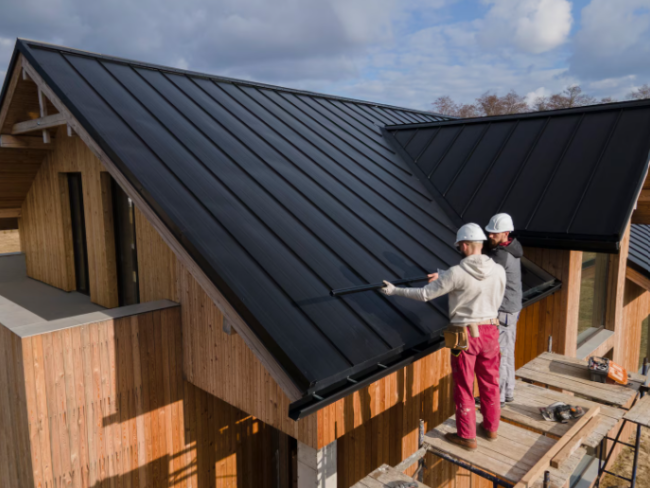
Choosing an appropriate roofing material is very important for durability, beauty, and long-term worth. Asphalt shingles are popular in the selection as they are relatively cheaper compared to metal roofs and easy to set up, whereas metal roofs are strong in confronting the adverse weather and have a longer lifespan.
A roof that is made of tile and slate is elegant, durable, and requires a bigger initial investment and structural support. Material choice should align with your local climate and energy goals. Different types of roofs, such as metal, can reflect light to cut down on the expenses of cooling in hot regions. Reflective roofing materials enhance energy efficiency in homes and lead to savings in the long term. Matching the roof type to environmental conditions ensures consistent performance over time.
Beyond functionality, aesthetics play a significant role. Homeowners often consider color, texture, and architectural compatibility. The selection of the appropriate material will create a balance between protection, style, and budget. It will also make the new roof add to the curb appeal over the coming years.
3. Cost Drivers
The prices of the roof replacement are dependent on numerous factors, including the type of roof material, size, roof pitch, and the complexity of the work. Removal of old layers, disposal, and additional structural repairs can add to the total. Unexpected repairs, such as replacing rotted decking, also increase expenses.
Pricing is affected by location. Costs may be influenced by regional labor rates, local building codes, and material requirements due to climate change. The approximations given by various contractors allow the owners to know about realistic budgets and prevent unanticipated surprises. Hence, investing in high-quality materials and skilled labor reduces long-term maintenance expenses.
The knowledge of cost enables homeowners to balance short-term costs and long-term value. Thousands of dollars saved with a lifetime span of the roof at the cost of only emphasizing durability and not the initial down payment. Budgeting clearly provides you with a project that can be managed financially, as it also provides viable security.
4. Contractor Selection
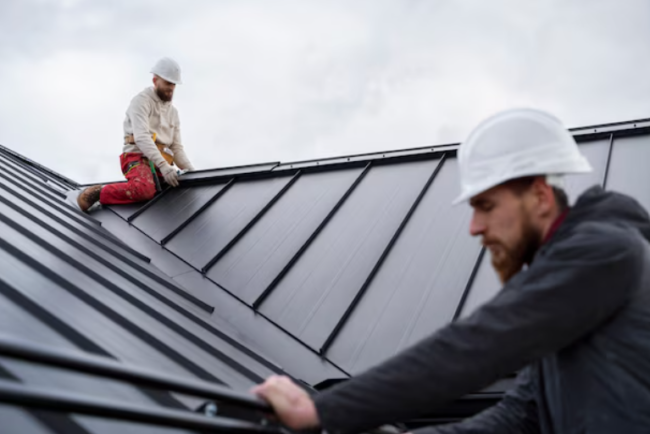
The selection of the correct contractor has a direct impact on the success of roof replacement. Licensed and insured professionals provide legal protection, ensure code compliance, and bring expertise to complex installations. Verifying credentials and checking past project reviews builds confidence before hiring.
Communication is also essential. Accomplished contractors communicate resources, construction procedures, schedules, and warranties. Written estimates prevent misunderstandings and set expectations, allowing homeowners to plan accordingly. Compare multiple bids instead of choosing solely based on the lowest price, as quality workmanship impacts roof lifespan.
An effective contractor will also give a realistic project schedule and alternative plans against delays in the weather or materials. Choosing the appropriate team will guarantee proper replacement procedure, less stress, and prompt performance that will be secured by your investment in the long term.
5. Project Timeline
Depending on the size, complexity, and weather conditions of the roof, roof replacement usually requires one to three days. The preparatory work would entail the provision of materials, landscaping protection, and a safe condition.
During installation, crews remove old shingles, inspect underlying decking, and systematically install new layers. Each step requires precision to avoid leaks, drafts, or premature wear. The schedule may be prolonged due to unexpected delays like rain or strong winds. It is better to talk to the contractor about contingency plans, which can assist homeowners in coping with their daily routine during the construction.
Clear scheduling minimizes disruption and ensures the project stays on track. Knowledge of every stage will enable homeowners to foresee the progress, track its quality, and prepare for the final examination. An efficient schedule will help in making the process of replacement smoother and extend the duration of the roof.
6. Care Plan
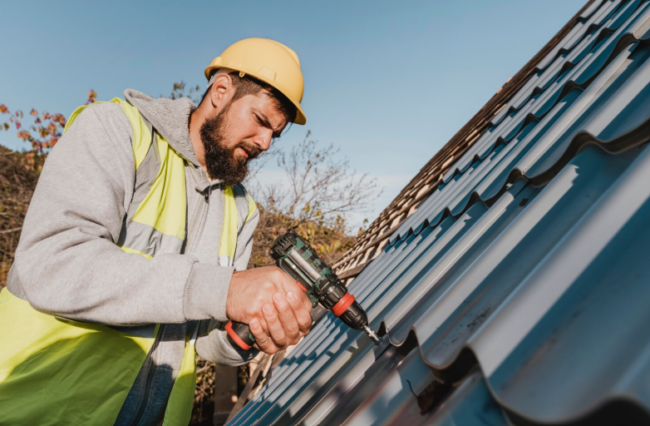
The new roof needs regular maintenance to have a maximum life. Annual inspections catch small issues before they escalate, while clearing debris from gutters and valleys prevents water accumulation that can damage shingles and flashing.
Severe weather conditions and thunderstorms should be checked accordingly. Studies indicate that active inspections and proper maintenance substantially lower the need for premature roof replacement and increase overall roof performance. These minor issues are best handled at an early stage to maintain the aesthetic appeal and usefulness, thus saving the homeowners money in the long term.
A care plan entails periodical cleaning, leak checking, and recording a problem over time. Having a regular maintenance schedule helps homeowners invest safely, prolong the life of the home’s roof, and have the mindset that the home is safe and can withstand weather changes.
Conclusion
The process of roof replacement can be overwhelming, but it is quite easy if you know every procedure. It makes the entire process stress-free. Identifying the damage at the initial stages, the choice of related materials, realistic budgeting, and a qualified contractor are the keys to a smooth project.
Equally important is maintaining your new roof through regular inspections and care. Proactive upkeep prevents costly repairs, extends lifespan, and safeguards your home against weather damage. A strategic approach empowers homeowners to make informed decisions rather than reacting to crises.
The most important lesson learned is preparation. By tackling the problem with the roof in time, having all the stages planned, and a regular maintenance schedule, homeowners safeguard their investment and provide a long, comfortable life. A quality roof repair gives one the tranquility of long-lasting stability and security over a long period of time.