
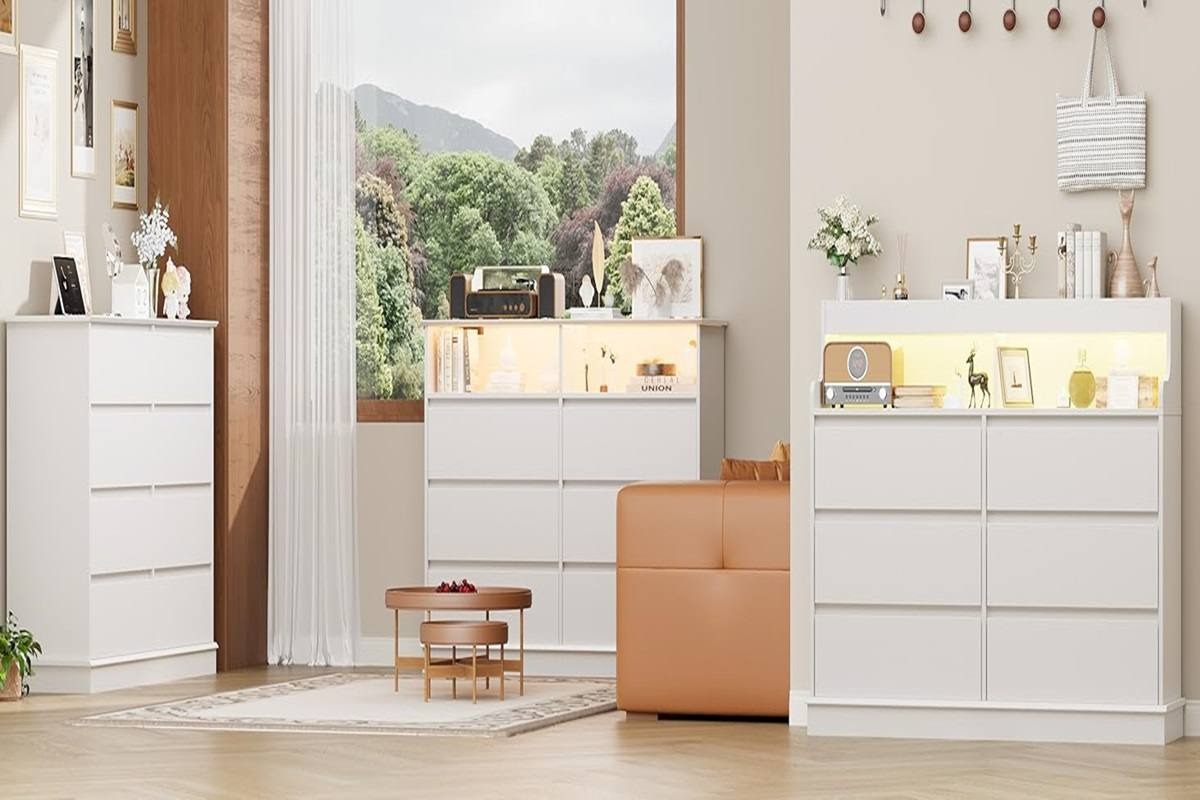
Furniture plays a critical role in shaping how a room looks, feels, and functions, often communicating its personality without words. Among all furnishing elements, cabinets and chests stand out because they combine visual weight with everyday practicality. A thoughtfully chosen storage cabinet can instantly influence first impressions, setting expectations for style, order, and comfort the moment someone enters a space.
These pieces are not merely background elements but foundational components of interior design. Their presence affects how light moves through the room, how space is perceived, and how other furnishings relate to one another. Because of their size and permanence, cabinets and chests quietly define the character and emotional tone of a room.
More Than Storage
Although cabinets and chests are designed to organize belongings, their influence extends far beyond basic storage needs. A thoughtfully placed storage cabinet introduces structure, helping a room feel intentional rather than cluttered or chaotic. When storage is handled well, visual noise is reduced, allowing the mind to relax and the space to feel more welcoming. This sense of order directly affects emotional comfort and everyday usability.
These pieces also shape how people move through and interact with a room. Storage furniture often becomes part of daily routines, quietly supporting habits and lifestyles. When design and function align, cabinets and chests feel natural rather than intrusive. Their ability to blend usefulness with visual impact makes them essential elements in defining a room’s overall character.
Silent Style Anchors
Cabinets and chests serve as silent style anchors that stabilize a room’s design language. Without demanding attention, they connect colors, materials, and forms across the space, ensuring the design feels cohesive. Even a single dresser drawer placed thoughtfully can ground a bedroom visually, giving surrounding furniture a sense of purpose and alignment. This quiet influence helps prevent a room from feeling scattered or incomplete.
Because these pieces are rarely moved or replaced, they establish long-term visual consistency. Their permanence allows other design elements to change around them without disrupting balance. Over time, they become trusted components of the room’s identity. This stability reinforces the overall personality of the space in a subtle yet powerful way.
Material Sets the Tone
The materials used in cabinets and chests strongly influence the atmosphere of a room. Each material communicates a different emotional tone:
- Wood conveys warmth, tradition, and comfort
- Metal suggests modernity and industrial strength
- Glass adds lightness and elegance
- Mixed materials reflect creativity and contemporary style
Natural materials tend to make rooms feel welcoming and grounded, while sleek finishes create a more polished and refined personality.
Color as Character
Color transforms cabinets and chests into expressive design statements within a room. Neutral shades promote calmness and flexibility, allowing other design elements to shine without competition. Darker tones introduce drama and elegance, often turning storage furniture into visual focal points. Because of their size, these color choices significantly influence mood.
Bold or unexpected colors inject energy and individuality into a space. A vibrant cabinet can suggest creativity, while muted hues can evoke serenity and balance. Since storage furniture occupies a substantial visual area, its color has a lasting impact. This makes color selection a key factor in shaping the room’s personality.
Shape and Design Language
The shape and form of cabinets and chests communicate design intent at a glance. Clean lines and geometric silhouettes express modern efficiency and order. Curved edges, carved details, and decorative legs suggest tradition, craftsmanship, or elegance. A well-designed storage cabinet reinforces the architectural language of the space it inhabits.
Proportion also plays a critical role in visual communication. Tall vertical forms emphasize formality and height, while low horizontal designs create a relaxed, grounded feeling. Small design elements such as handles, feet, and door patterns refine this language further. Together, these features establish how the furniture “speaks” within the room.
Function Meets Expression
How cabinets and chests are used affects the daily experience of a room. Organized storage promotes calmness, while cluttered or poorly planned furniture can create stress. A well-designed storage piece improves both function and atmosphere.
Some pieces serve multiple roles, such as:
- Chests used as coffee tables or seating
- Cabinets that display décor while hiding clutter
- Storage units that divide or define spaces
These multifunctional uses add depth to the room’s personality, blending practicality with creativity.
Cultural and Historical Influence
Cabinets and chests often reflect cultural traditions and historical craftsmanship. Antique forms bring heritage and storytelling into modern interiors, while regionally inspired designs highlight artistic identity. These influences add narrative depth, making a room feel layered and meaningful rather than purely decorative.
Even contemporary storage furniture draws inspiration from historical precedents. Classic proportions, traditional joinery, and familiar forms are often reinterpreted for modern living. By incorporating culturally influenced pieces, a room connects personal space with broader design history. This connection enriches the room’s personality.
Balance and Spatial Harmony
The placement of cabinets and chests is essential for maintaining balance and visual harmony. A strategically positioned storage cabinet can enhance flow, define zones, and prevent overcrowding. Proper scale ensures the furniture complements the room rather than overwhelming it. This balance directly affects comfort.
Storage furniture often counteracts lighter elements such as seating or décor. When positioned thoughtfully, it stabilizes the visual composition of the space. This grounding effect helps rooms feel organized and intentional. Spatial harmony reinforces the room’s overall personality and usability.
Evolving with Trends
As lifestyles and design preferences evolve, cabinets and chests adapt without losing relevance. Modern trends emphasize sustainability, modularity, and multifunctional use. These changes reflect shifting priorities while preserving the essential role of storage furniture. Adaptability keeps these pieces current.
Despite trend cycles, timeless design principles remain valuable. Well-crafted cabinets and chests age gracefully, blending into new aesthetics over time. Their ability to evolve ensures they remain personality-defining elements. This longevity makes them reliable foundations in interior design.
Final Thoughts
Cabinets and chests play a powerful role in shaping the personality of a room. Through material, color, shape, and placement, they influence mood, balance, and daily experience. A thoughtfully chosen storage cabinet becomes more than furniture; it becomes part of the room’s identity and emotional rhythm.
By understanding their expressive potential, designers and homeowners can create spaces that feel intentional and cohesive. These pieces may appear understated, but their impact is lasting. In defining structure and style, cabinets and chests quietly shape how a room is lived in and remembered.