
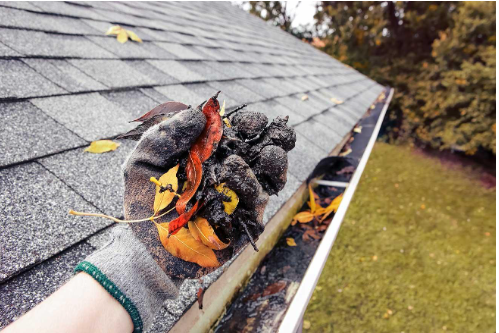
Homeowners often think of gutters as an unavoidable part of protecting a house from water damage. While gutters can certainly play a role, they are not the only solution. In fact, consistent and thoughtful home maintenance can significantly reduce how much you rely on gutters in the first place. By focusing on efficient water management through new gutter systems and complementary maintenance practices, property owners can minimize runoff problems, extend the lifespan of their home’s exterior, and sometimes even reduce the scale or complexity of gutter solutions needed.
Understanding how water flows around your home, and how routine upkeep influences that flow, can change the way you think about gutters entirely.
Understanding the Purpose of Gutters
Gutters exist to control roof runoff. They channel rainwater away from the foundation, siding, and landscaping to prevent erosion, leaks, and structural damage. When gutters are overwhelmed or poorly maintained, they can fail to do their job, leading to pooling water, basement leaks, and fascia rot.
However, gutters are only one part of a broader water-control system. Roof design, ground grading, drainage paths, and exterior surfaces all work together. When these elements are well-maintained, the burden placed on gutters is greatly reduced.
The Role of Routine Roof Maintenance
One of the most commonly missed parts of water control is basic roof upkeep. Missing shingles, damaged flashing, and debris-filled valleys can send water in the wrong direction. When that happens, large volumes of runoff can overwhelm gutters in some areas.
Routine inspections and quick repairs help water run off the roof the way it’s supposed to. With a clean, intact roof, gutters are less likely to overflow, clog, or take a beating during heavy storms. Over time, that can mean you don’t need oversized or complicated gutter systems; just a well-designed setup that works with the roof instead of trying to cover up roof problems.
Ground Grading and Drainage Around the Home
What happens after water leaves the roof is just as important as how it gets there. Proper ground grading ensures that water naturally flows away from the foundation instead of pooling near the base of the house. Even the best gutters can’t protect a home if the surrounding soil slopes toward the home.
Routine maintenance, such as correcting soil erosion, filling low spots, and keeping drainage paths clear, can dramatically reduce water-related risks. When the ground does most of the work, gutters become a secondary support rather than the primary defense.
Clean Exteriors and Clear Pathways
Leaves, debris, moss, and dirt don’t just clog gutters: they affect the entire water flow system. Blocked downspout exits, debris-covered splash zones, and overgrown landscaping can all redirect water back toward the home.
Seasonal cleanups and exterior inspections help ensure that water has a clear, unobstructed path away from the structure. This reduces pressure on gutters and limits the amount of water they need to handle at any given time.
Preventing Foundation Stress Through Maintenance
Excess water collecting near a home’s foundation is one of the biggest threats to long-term stability. Over time, unmanaged runoff can lead to cracks, shifting, and moisture problems. Regular upkeep, sealing small cracks, keeping drainage working properly, and watching for signs of dampness help prevent minor issues from turning into costly structural repairs.
With the foundation in good shape, gutters don’t have to serve as the only safeguard against water damage. Homeowners can take a more practical approach to upgrades, including gutter installation, and choose systems that fit the home’s needs rather than oversizing them to make up for other problems.
When gutters are still the right choice
Good maintenance can reduce your reliance on gutters, but it doesn’t make them unnecessary. In regions with frequent heavy rain or homes with complicated rooflines, gutters are still a smart addition. The advantage is that a well-maintained property can usually get by with a more straightforward, longer-lasting setup, since it isn’t trying to compensate for poor grading, roof issues, or drainage failures.
This is where efficient water management through new gutter systems truly shines. Modern gutter designs work best when paired with a well-maintained home, allowing them to function efficiently with fewer blockages, less overflow, and longer service life.
Long-Term Savings and Peace of Mind
Routine maintenance can save homeowners a lot of money. It’s far cheaper to prevent water damage than to fix it after the fact. When gutters and drainage parts aren’t constantly under stress, they tend to last longer, need fewer repairs, and are less likely to fail at the worst possible time.
Just as valuable is the peace of mind that comes with staying ahead of problems. When you know water is being handled properly, from the roof down to the ground, you’re less likely to face surprises during storms and can feel more confident in how well your home will hold up over time.
A Smarter Approach to Water Control
Gutters are often seen as the first and last line of defense for water management, but they work best as part of a larger system. Routine maintenance of the roof, exterior, drainage, and foundation reduces the overall need for heavy-duty gutter solutions and allows modern systems to perform at their best.
By investing time in preventative care, homeowners can protect their property, simplify water control strategies, and ensure that every component, including gutters, works efficiently and effectively for years to come.