
Getting new equipment into a manufacturing plant isn’t just about ordering a machine and plugging it in. It requires careful thought and a solid plan from the start. This phase is all about setting the stage for a smooth transition, making sure the new gear fits right into the existing workflow without causing major headaches. Proper strategic planning is key to avoiding costly delays and ensuring the equipment actually does what it’s supposed to do.
Establishing a Comprehensive Project Plan
A detailed project plan acts as the roadmap for the entire integration process. It breaks down the installation into manageable steps, assigning timelines and resources to each. This plan should account for potential roadblocks and include contingency measures. Think of it as a blueprint that everyone involved can follow, from the initial order to the final go-live. A well-defined plan helps keep everyone on the same page and reduces the chances of miscommunication.
Assembling a Dedicated Implementation Team
No single person can manage a complex equipment installation alone. A dedicated team is necessary, with members bringing different skills and perspectives. This team might include an executive sponsor for high-level decisions, a project manager to oversee daily operations, technical experts, and even representatives from the departments that will use the new equipment. Having the right people in place from the beginning is vital for successful equipment integration.
Defining Roles and Responsibilities
Once the team is assembled, clearly defining each member’s role and responsibilities is the next logical step. Who is responsible for what? This avoids confusion and ensures accountability. For instance, one person might be in charge of vendor communication, while another focuses on site preparation. Making sure everyone knows their job and how it fits into the bigger picture is a simple but powerful way to keep the project moving forward. This clear definition of roles is a cornerstone of effective strategic planning.
Site Readiness And Logistics Management
Preparing The Installation Environment
Before any new equipment arrives, the physical space needs to be ready. This means clearing out the area, making sure it’s clean, and checking that there’s enough room not just for the machine itself, but also for people to move around it safely. Think about access for maintenance later on, and make sure there’s good ventilation. A well-prepared site prevents delays and potential hazards.
Preparing the installation environment is more than just tidying up; it’s about creating a safe and functional space for the new machinery. This involves assessing structural integrity, ensuring adequate lighting, and confirming that the floor can support the equipment’s weight.
- Remove all existing obstructions.
- Clean the floor and surrounding areas.
- Confirm sufficient space for operation and maintenance.
Coordinating Equipment Unloading And Transport
Getting the new equipment from the truck to its final spot is a critical step. It requires careful planning and the right tools. Using proper lifting gear and following safe transport techniques is key to avoiding damage to the equipment and injury to workers. This part of the process needs clear communication between the delivery team and the site crew.
- Plan the unloading route.
- Use certified lifting equipment.
- Have trained personnel manage the move.
Ensuring Utility And Power Availability
New machinery often has specific power and utility needs. Before installation begins, it’s vital to confirm that the facility can meet these requirements. This includes checking voltage, amperage, and the availability of necessary connections like water or compressed air. Making sure utilities are ready avoids costly rework.
| Utility Type | Requirement | Status | Action Needed |
| Electrical | 480V, 3-Phase | Verified | Connect |
| Compressed Air | 100 PSI | Pending | Install Line |
| Water | Potable | Verified | Connect |
This verification is a key part of site readiness. Without the correct power and utilities, the equipment simply won’t function as intended, leading to delays and frustration. It’s about getting the logistics right before the technical work starts.
Technical Verification And Compliance
Verifying Equipment Specifications Against Requirements
Before anything gets bolted down, it’s smart to check if the new gear actually matches what was ordered. Sometimes, specs can get mixed up, or a last-minute change might have happened. A quick look at the equipment’s paperwork against the purchase order is a good start. This means checking things like dimensions, power needs, and any special features. Making sure the equipment specifications align with what the facility can handle prevents headaches down the road. It’s about avoiding surprises, like finding out the machine needs a different voltage than what’s available.
This verification step is more than just a quick glance. It involves comparing the actual equipment details with the project’s needs. Are the throughput rates what was promised? Does it fit the designated space? This careful review helps catch potential issues early. It’s a bit like double-checking a recipe before you start cooking; you want to know you have all the right ingredients and tools. This attention to detail during technical verification is key.
Adhering To Manufacturer Installation Guidelines
Manufacturers put a lot of thought into how their equipment should be installed. They provide manuals for a reason, and following them is pretty important. These guidelines cover everything from how to connect wires to the right way to tighten bolts. Ignoring these instructions can lead to problems later on, like the equipment not running as smoothly as it should or, worse, voiding the warranty. It’s not just about getting it set up; it’s about setting it up correctly.
Think of the manufacturer’s guidelines as a roadmap. They’ve already figured out the best path, and deviating from it can lead you astray. This includes using the recommended tools and following the sequence of steps they lay out. Proper installation, based on these guidelines, means the equipment will likely perform better and last longer. It’s a straightforward way to get the most out of your investment.
Securing All Connections And Fastenings
Once everything is in place, the next step is to make sure it’s all held together properly. This means checking every bolt, screw, and electrical connection. Loose parts can cause vibrations, which can lead to more parts loosening over time, and that’s a recipe for trouble. For electrical connections, a secure hookup prevents power fluctuations that could damage sensitive components. It’s all about stability and safety.
This part of the process requires a bit of diligence. It’s not just about making things tight; it’s about tightening them to the right specifications. If a manual mentions a specific torque setting for a bolt, it’s best to use a torque wrench to get it just right. Similarly, electrical connections need to be clean and firmly attached. This thoroughness in securing all connections and fastenings contributes directly to the equipment’s reliable operation and longevity. It’s a critical step in the overall technical verification process.
Operational Readiness And Training
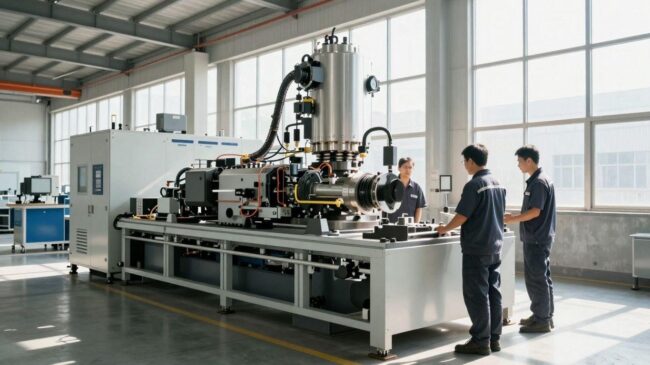
Training Floor Staff On New Machinery
Getting new equipment means people need to learn how to use it. This isn’t just about pushing buttons; it’s about understanding the machine’s capabilities and limitations. Proper training for floor staff is key to making sure the new equipment works as intended. Without it, you might see slower production or even mistakes. Think of it like getting a new smartphone – you wouldn’t just start using it without looking at the basics, right? The same applies here. The goal is to get everyone comfortable and confident with the new tools.
Educating Maintenance Teams On New Equipment
Maintenance crews have a big job. They need to know how to keep the new machines running smoothly. This means understanding the specific maintenance schedules, common issues, and how to fix them. New equipment often has different needs than older models, so this education is not optional. A well-informed maintenance team can prevent small problems from becoming big, costly ones. They are the ones who keep the operation going day in and day out.
Preparing Sales Teams For Enhanced Capabilities
When new equipment comes online, it often means the company can do more or do things better. The sales team needs to know about these changes. They are the ones talking to customers, so they need to understand what new products or services can be offered. This knowledge helps them sell more effectively and meet customer demands. It’s about making sure everyone in the company is on the same page about what the business can now achieve.
Documentation And Validation Processes
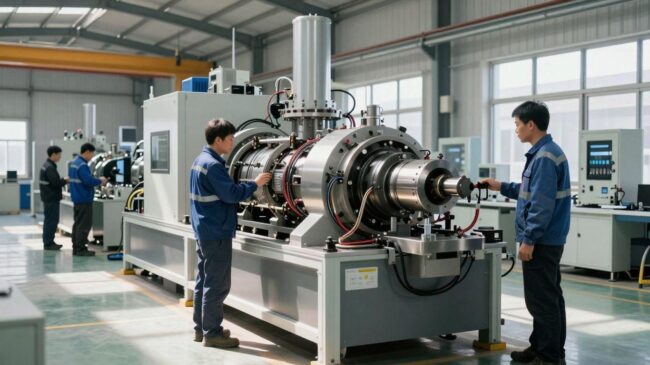
Creating A Commissioning Binder For Maintenance
Getting a new piece of equipment ready involves more than just plugging it in. A key step is creating a solid commissioning binder. This binder acts like a detailed manual for the machine’s life. It should list every part, its maker, and where to get replacements. This makes maintenance much simpler. If a part breaks, you can quickly find the right number and order it. For new gear, the maker might give you some basic documents. You’ll likely need to add details about your specific setup, like where it’s located and how it’s connected. This creates a record of the machine as it was installed. For used equipment, these documents are often missing and need to be put together from scratch.
Validating Equipment Functionality And Output
Once everything is hooked up, you have to check if it actually works. This validation step confirms that the equipment does what it’s supposed to do. You need to verify that all connections are correct and secure. Then, you test the machine to see if it runs smoothly and produces consistent results. This isn’t just a quick look-over; it’s about making sure the output meets the required standards. Skipping this validation can lead to problems down the line, affecting production quality and efficiency. Proper validation is a must before the equipment goes live.
Documenting The Installation Process
Keeping records of the entire installation is super important. This documentation serves as a history of the project. It includes details like measurements taken, settings used, and the results of all tests. Good documentation helps when you need to fix something later or when you want to understand how the machine was put together. It’s like a roadmap for the equipment’s future. This record-keeping is part of the validation process, showing that everything was done right. It’s a good idea to have a dedicated person or team responsible for this documentation to make sure it’s thorough and accurate. This detailed record is vital for future reference and troubleshooting.
Leveraging Industrial Millwright Services
Understanding the Role of Expert Installers
When bringing in new machinery, especially complex systems, manufacturers often turn to specialized professionals. These are the industrial millwrights. They’re the folks who really know how to put together big, heavy, and precise equipment. Think of them as the master builders for your factory floor. They have the tools and the know-how to handle everything from unpacking to the final bolt.
Their job isn’t just about bolting things down. It’s about making sure everything is perfectly aligned and ready to run smoothly from day one. This kind of work requires a specific skill set that most in-house teams might not have readily available. Using industrial millwright services means you’re bringing in people who do this kind of installation day in and day out.
Ensuring Precision in Assembly and Alignment
Precision is key when installing new equipment. Misalignment, even by a tiny amount, can cause problems down the road. This could mean more wear and tear on the machine, lower output quality, or even unexpected breakdowns. Industrial millwrights use specialized tools and techniques to get everything lined up just right.
They check and double-check every connection and every moving part. This careful approach helps prevent issues before they even start. It’s about setting the equipment up for success, so it performs as the manufacturer intended. This attention to detail is what separates a good installation from a great one.
Collaborating With Industrial Millwright Services for Complex Installations
For really complicated setups, working with industrial millwright services is a smart move. They can handle the heavy lifting, the intricate assembly, and the final checks. This frees up your own staff to focus on other important tasks, like training or getting the site ready.
When you partner with them, you get access to their experience. They’ve likely seen and installed similar equipment before, so they can anticipate potential challenges. This collaboration helps make the whole installation process smoother and less stressful for everyone involved. It’s about getting the job done right, safely, and efficiently.
Wrapping Up Your New Equipment Installation
Getting new machines set up isn’t just about bolting things down and flipping a switch. It really takes a good look at how everything fits together, from the floor staff to the sales team. Keeping an open mind and working with the people who sold you the gear helps a lot. Remember to keep your older machines running well too, don’t let them fall apart while you’re focused on the shiny new stuff. And make sure your sales folks know what the new equipment can do so they can tell customers about the better products you can now make. When all these pieces come together, you’ll get the most out of your investment. It’s about thinking differently and preparing everyone for what’s next.