
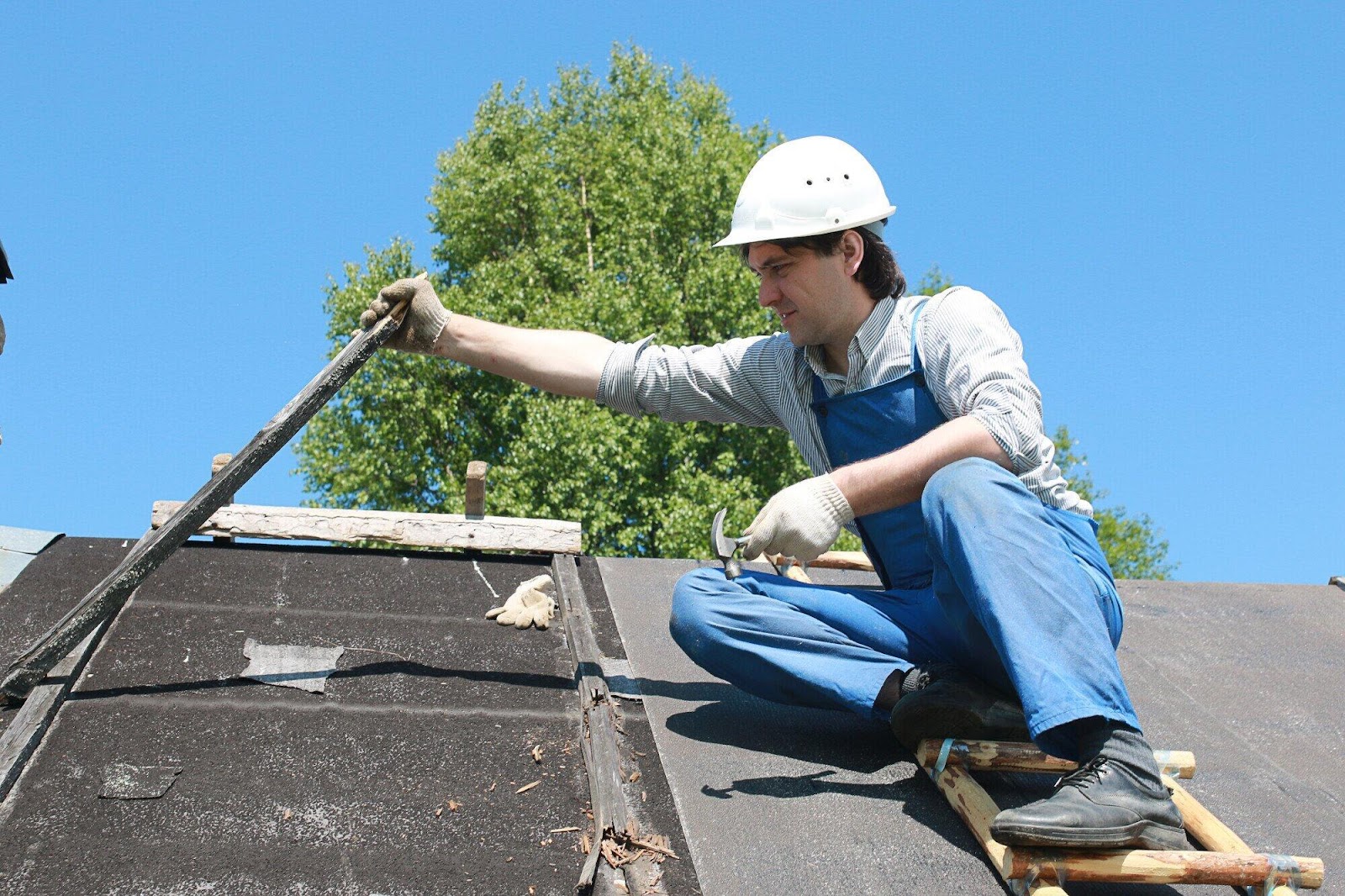
Storms rarely pass without leaving a mark. Even when damage is not obvious from the ground, roofing systems usually take the brunt of harsh weather. High winds, heavy rain, and debris can weaken roof materials over time. This article explains the most common types of storm damage that affect roofs and how each one develops. Understanding these damage types helps homeowners respond faster, plan inspections wisely, and protect their property before minor issues turn into costly repairs.
Many homeowners begin searching for storm damage repair after a strong storm passes through their area. Roofing damage does not always show immediate leaks or missing shingles. Knowing what to look for helps homeowners decide when a professional inspection is necessary and why timely action matters.
Wind Damage That Loosens Roofing Materials
Strong winds place stress on roofing materials, especially along edges and ridges. Shingles may lift, bend, or shift out of place. Over time, this movement weakens fastening points and exposes the roof deck.
Wind damage may not always remove shingles entirely. Partial lifting allows moisture to enter beneath the surface. This creates long-term risks even if the roof looks intact. Homes in storm-prone regions usually experience repeated wind stress, which shortens roof lifespan if not addressed promptly.
Hail Damage That Compromises Shingle Surfaces
Hail causes surface-level damage that is easy to overlook. Impact marks weaken shingles and reduce protective granules.
Common signs of hail damage include
- Dents or soft spots on shingles
- Granule loss that exposes the asphalt layers
- Cracks forming after impact
Hail damage reduces water resistance over time. Even small hailstones can affect roofing performance. Many homeowners only discover this damage during professional inspections after storms.
Water Damage From Heavy Rainfall
Prolonged or intense rainfall tests every part of a roofing system. Water finds its way through weak points such as flashing, vents, and seams.
Flashing areas around chimneys and roof joints can become weak over time, especially when materials loosen or age, which allows water to seep beneath the roof surface. At the same time, clogged gutters can overwhelm drainage paths and force water to back up under roofing materials. Together, these issues increase the risk of moisture damage spreading beneath the roof, even when the surface appears intact.
Debris Impact From Falling Objects
Storms typically bring debris such as branches, limbs, and loose objects. Impact damage occurs when debris strikes the roof surface.
Debris-related damage may include
- Cracked or broken shingles
- Punctures in roofing layers
- Damaged vents or skylights
Even small impacts weaken protective layers. Debris damage tends to concentrate in isolated areas, which makes it easy to miss without a closer look. Prompt inspection helps prevent further exposure.
Ice and Snow Stress on Roofing Systems
Winter storms introduce different risks. Ice and snow add weight and moisture stress to roofs. Ice dams form when melting snow refreezes along the roof edges.
Ice Dam Formation
Ice dams develop when melting snow refreezes along the roof edges. This buildup traps water behind it and forces moisture beneath shingles. Over time, repeated exposure weakens roofing layers and increases the chance of leaks forming below the surface.
Structural Load Concerns
Heavy snow adds significant weight to roofing systems and places stress on framing and materials. Repeated freeze and thaw cycles make this stress worse and can accelerate wear. Roofs exposed to winter storms benefit from early evaluation before spring thaw reveals hidden damage.
Storm damage affects roofing systems in many ways, from wind and hail to water, debris, and ice stress. When homeowners delay storm damage repair, small issues can weaken roof protection over time, even when problems are not visible right away. Understanding these risks helps homeowners take action sooner. With timely inspection and the right response, roofing systems restore their strength and continue performing as intended long after severe weather passes.