
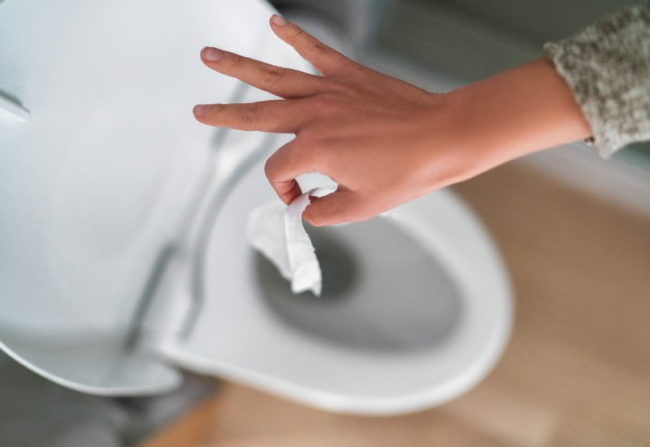
It usually happens at the worst possible time. The flush is pressed, the water rises, and suddenly, there is that sinking feeling when nothing moves. A clogged toilet with paper is one of those household problems that feels dramatic at the moment, even when the cause is simple.
The good news is that most paper-related blockages are manageable if you stay calm and act carefully. Many situations can be resolved with simple household items, as long as you know what you are doing and when to stop.
In Sydney homes, toilet issues are common, especially in properties with older plumbing or low-flow fixtures. When handled correctly, many paper-related clogs can be managed safely without special tools.
At the same time, it is equally important to recognise when the problem is no longer a simple fix. In those situations, calling a trusted plumber in Sydney can protect your home and prevent bigger plumbing issues down the line.
Why Paper Blockages Are More Common Than People Realise
Toilet paper is designed to break down in water, but it still needs time and movement to dissolve properly. When large amounts are flushed at once, especially in modern low-flow toilets, the paper can bind together before it softens. This is often how a toilet clogged with toilet paper begins.
Several factors make paper clogs more likely:
● Thick or multi-ply toilet paper that dissolves slowly
● Flushing large amounts of paper in one go
● Older plumbing with narrower pipes
● Partial buildup is already present in the drain line
Even newer plumbing systems can struggle if water flow is restricted. Over time, repeated minor clogs may turn into a toilet blocked with paper that keeps coming back.
What Not to Do When Your Toilet Is Clogged With Paper
The most common reaction is to flush again. Unfortunately, this is also the most common mistake. Repeated flushing forces more water into an already blocked system and increases the risk of overflow.
Instead, take these initial steps:
● Stop flushing immediately
● Give the toilet a few minutes to let the water settle
● Check the water level and watch for slow movement
If the bowl looks close to overflowing, turn off the water supply valve behind the toilet. This simple action can prevent flooding while you decide what to do next. Staying patient at this stage makes a big difference.
Low-Risk Fixes That Are Safe to Try
If the blockage is mild, there are several safe ways to deal with it using everyday items. These methods focus on loosening and breaking down the paper, not forcing it through aggressively.
Hot Water and Dish Soap
Dish soap reduces friction and helps paper slide through the trap.
How to try this method:
● Add a small amount of dish soap to the toilet bowl
● Wait around ten minutes
● Carefully pour warm or hot water into the bowl from a steady height
This approach works well for surface-level blockages and is often enough to clear a toilet clogged with toilet paper.
Baking Soda and Vinegar
This method relies on a chemical reaction instead of pressure.
Steps to follow:
● Pour baking soda into the bowl
● Slowly add white vinegar and allow it to fizz
● Leave it undisturbed for at least fifteen minutes
The bubbling action can help loosen compacted paper. After waiting, try a gentle flush to see if the water drains normally.
Using a Toilet Brush Carefully
If the blockage is visible and close to the bowl, a toilet brush can help.
Keep these points in mind:
● Push gently and twist to separate the paper
● Avoid aggressive force
● Clean the brush thoroughly afterwards
This method works best when water levels are stable and not rising quickly.
When DIY Methods Don’t Work
If the toilet drains slowly, clogs again shortly after clearing, or resists all gentle methods, the issue may not be limited to paper alone. At this stage, forcing solutions can cause damage to pipes or porcelain.
Signs the problem may be deeper include:
● Recurring clogs with normal paper use
● Gurgling sounds after flushing
● Unpleasant smells coming from the drain
Calling a local plumber in Sydney at this point is the safest choice. Professional assessment helps determine whether the issue is isolated to the toilet or connected to the broader drainage system. This approach ensures clogged toilet bowl solutions are applied correctly, rather than relying on repeated temporary fixes that may cause further damage.
Understanding Deeper Drain Problems
Sometimes a paper clog is only a symptom. Issues further down the drain line can trap toilet paper and cause repeated blockages.
Common underlying causes include:
● Partial obstructions deeper in the pipe
● Pipe misalignment or aging materials
● Accumulated residue that catches paper
A professional solution for drain repair in Sydney focuses on identifying these hidden issues. Using inspection tools, plumbers can locate the exact source of the problem without unnecessary disruption to your home.
How to Prevent Toilet Issues Caused by Paper
Prevention is often easier than dealing with another messy blockage. A few small habits can significantly reduce the risk of a toilet clogged with toilet paper happening again.
Helpful prevention tips:
● Flush midway if using more paper than usual
● Choose toilet paper that breaks down easily
● Avoid flushing anything other than waste and paper
Routine maintenance also helps. Having a professional check your plumbing occasionally can catch early signs of trouble before they turn into major repairs.
When to Call a Professional and Protect Your Plumbing for the Long Term
Not every blockage should be handled at home. If DIY methods fail or the toilet continues to misbehave, forcing the issue can cause damage to pipes, seals, or porcelain. Persistent clogs often point to problems beyond the toilet bowl itself.
A trained plumber in Sydney can provide reliable clogged toilet bowl solutions that go beyond temporary fixes. With professional tools and experience, blockages can be cleared safely while the condition of the plumbing system is properly assessed.
When deeper issues are identified, professional drain repair in Sydney helps restore proper water movement throughout the system. These repairs are usually targeted and designed to minimise disruption while improving flow and reliability.
Addressing drainage problems early helps prevent repeat emergencies, reduces long-term repair costs, and extends the lifespan of household plumbing. Over time, this proactive approach leads to fewer surprises and better everyday performance.
Conclusion
A clogged toilet with paper does not have to turn into a nightmare. With the right approach, many minor blockages can be resolved safely at home. The key is knowing when to try simple fixes and when to stop.
If the issue keeps returning or shows signs of being more serious, reaching out to a local plumber in Sydney is the smartest move. Professional help ensures the problem is handled correctly, giving you confidence that your bathroom is back to working as it should.