
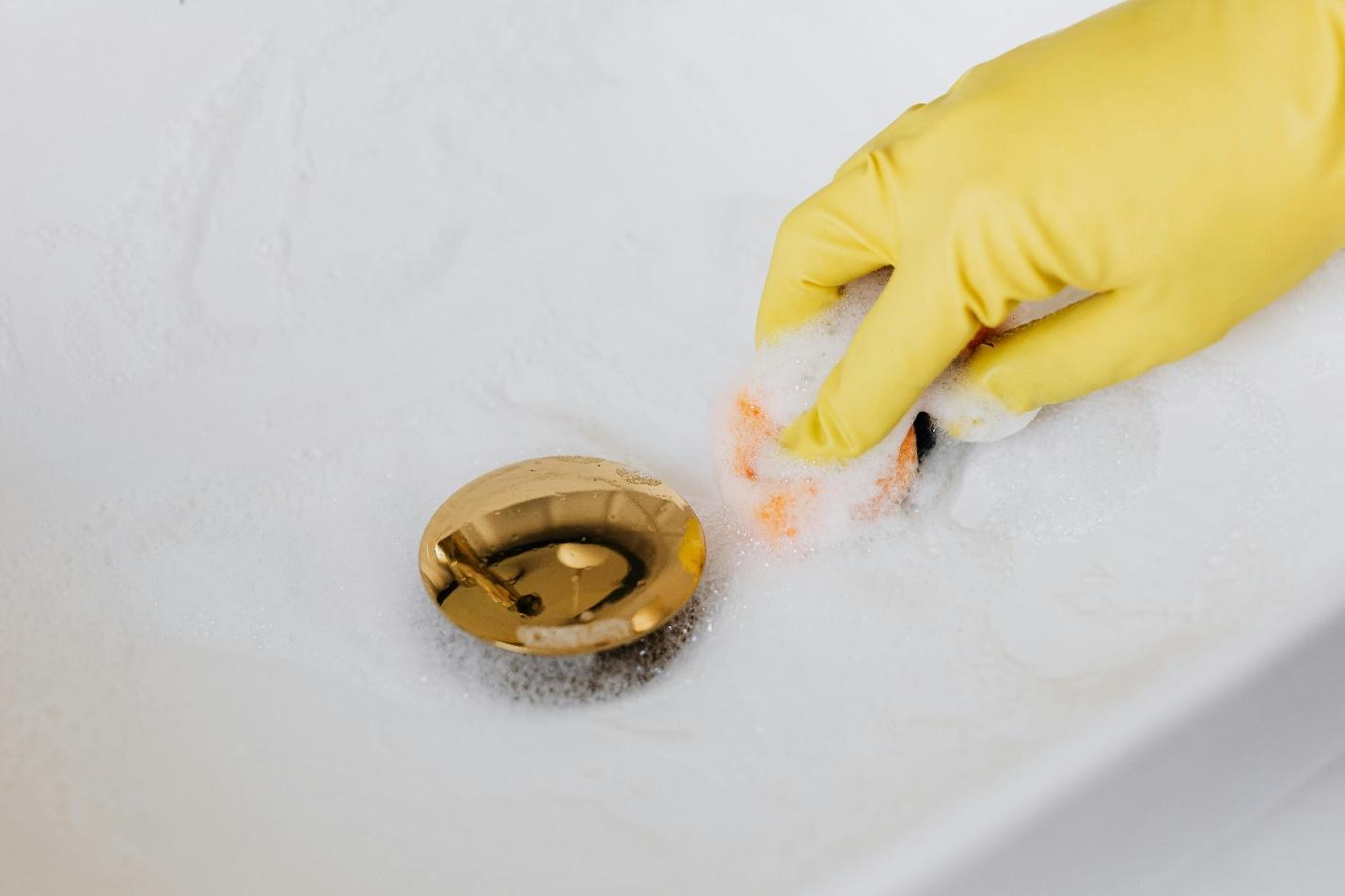
When a sink starts draining slowly or a shower backs up, the quickest solution often seems to be grabbing a bottle of drain cleaners from under the sink (or from the nearest store). Chemical drain cleaners are widely available, heavily marketed, and promise fast results. But what many people don’t realize is that these products can create bigger—and more expensive—problems over time. Understanding how drain cleaners work, why they can be risky, and what safer alternatives exist can help protect your plumbing and, in many cases, your septic system too.
What Are Chemical Drain Cleaners?
Most chemical drain cleaners fall into three categories: caustic, oxidizing, and acidic.
- Caustic drain cleaners often contain lye (sodium hydroxide). They generate heat and turn grease into a soap-like substance that can wash away.
- Oxidizing drain cleaners typically use bleach-like compounds (such as sodium hypochlorite or peroxides) that react with organic material and break it down.
- Acidic drain cleaners may contain sulfuric or hydrochloric acid, designed to dissolve clogs quickly—but they’re also the most aggressive and hazardous.
These formulas create chemical reactions intended to break apart hair, grease, soap scum, and food debris. The problem is that those same reactions can also harm pipes, fixtures, and people.
Risk #1: Chemical Burns and Dangerous Fumes
One of the biggest dangers of drain cleaners is personal safety. These products can cause severe chemical burns if they splash on skin or get into eyes. Even small amounts can be harmful. Many drain cleaners also release fumes that can irritate the lungs, especially in small bathrooms or poorly ventilated kitchens. Mixing drain cleaners with other household products—particularly bleach, ammonia, or vinegar—can create toxic gases, which can be extremely dangerous.
If you’ve ever poured drain cleaners into a clog and noticed strong odors, that’s a warning sign. The fumes may be unpleasant at best and hazardous at worst.
Risk #2: Damage to Plumbing Pipes (Especially Older Systems)
Drain cleaners often generate heat as they react. That heat can soften, warp, or weaken certain types of plumbing, including older PVC connections or compromised joints. For metal pipes, repeated exposure can accelerate corrosion. Over time, using drain cleaners regularly can contribute to:
- Leaks around fittings and joints
- Cracked pipes or weakened seals
- Corrosion that shortens pipe lifespan
- Damage to toilets and porcelain fixtures if splashed
Many homeowners don’t notice the damage right away. The clog may clear temporarily, but pipe wear adds up—leading to repairs that cost far more than professional drain service would have.
Risk #3: Making the Clog Worse (Yes, Really)
Drain cleaners don’t always remove the entire blockage. If the clog is heavy, deep, or caused by something like a grease buildup, wipes, or foreign objects, the chemicals may only burn a small path through it. That means the drain might “seem fine” for a short time, but the remaining buildup can catch debris again—often leading to an even worse backup.
Another issue: if drain cleaners sit in a blocked pipe and fail to move through, you now have a pipe full of corrosive liquid. That creates a much more dangerous situation for anyone attempting snaking or repairs afterward.
Risk #4: Septic System Harm and Environmental Impact
For properties on septic systems, the risks can extend beyond the drain line. Many drain cleaners can disrupt the balance of bacteria needed to break down waste in a septic tank. While a single use may not “kill” a system, repeated use can reduce bacterial efficiency and contribute to longer-term issues. In addition, harsh chemicals that make their way through plumbing can enter the soil and groundwater after passing through a septic system—something homeowners and businesses should take seriously.
Even in municipal sewer systems, chemical-heavy waste can contribute to environmental strain and create safety hazards for plumbing workers.
Safer Alternatives to Drain Cleaners
The good news is that many drain problems can be addressed without harsh chemicals. Depending on the type of clog, alternatives may include:
1) Mechanical removal
A plunger, drain snake, or hand auger can physically remove hair and debris—often more effectively than chemical drain cleaners.
2) Hot water + dish soap (for grease)
For kitchen sinks, a controlled flush of hot (not boiling) water with dish soap can help break down light grease buildup.
3) Enzyme-based drain products
Enzyme or bacteria-based products are slower, but they’re designed to support natural breakdown of organic material and are generally safer for pipes and septic systems.
4) Routine prevention
Using drain screens, avoiding grease down the sink, and flushing lines with hot water periodically can reduce buildup.
When to Call a Professional
If drains are frequently slow, multiple fixtures are backing up, or clogs keep returning, it may indicate a deeper issue—such as a blocked main line, grease accumulation, or a drainage problem beyond what store-bought drain cleaners can solve. Professionals can use methods like drain snaking or hydro jetting (when appropriate) to remove buildup safely without exposing your plumbing to repeated chemical stress.
A Smarter Approach to Drain Care
Drain cleaners may look like an easy fix, but they can pose real risks to your health, your plumbing, and, in many cases, the overall wastewater system serving your property. When possible, choosing safer, mechanical, or enzyme-based solutions—and addressing recurring drain issues early—can prevent damage and keep plumbing working the way it should.
For homeowners and businesses alike, the best long-term strategy isn’t stronger chemicals—it’s better prevention and proper drain maintenance.