
When the winter chill settles into Ohio, your home furnace becomes the most important appliance in the house. However, it is not uncommon for homeowners to notice that while the living room feels like a sauna, the back bedrooms remain stubbornly icy. Achieving a balanced temperature is often a matter of solving common home furnace problems before they escalate into total system failures. One of the most frequent culprits behind uneven heating is a struggling blower motor. When this component begins to fail, it loses the ability to push air effectively through your ductwork, leading to cold spots and discomfort.
The Role of the Blower Motor
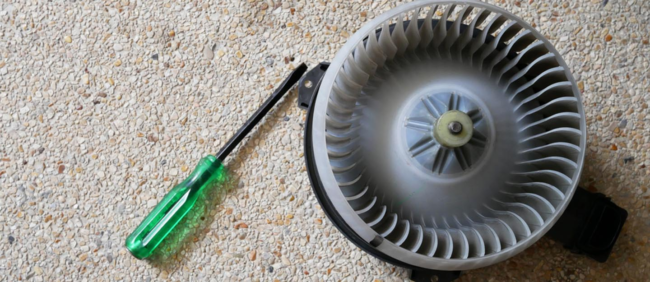
The blower motor is essentially the heart of your HVAC system’s distribution network. Its primary job is to take the air warmed by the heat exchanger and propel it through the vents into every corner of your home. If the motor is healthy, the airflow is consistent and strong enough to reach the furthest registers. When it begins to lag due to age, dust accumulation, or electrical issues, the air pressure drops significantly.
Without sufficient pressure, the heated air tends to stall in the ducts closest to the furnace. This results in the “short-reach” phenomenon, where rooms near the main unit are overheated while distant rooms never receive enough warmth to reach the thermostat’s setting.
Signs of Blower Motor Fatigue
Recognizing the early warning signs of a failing motor can save you from a mid-winter emergency. Homeowners often report hearing unusual sounds, such as screeching, rattling, or clanking, emanating from the furnace cabinet. These sounds typically indicate that the bearings are worn out or that the fan belt has become frayed.
Another tell-tale sign is a faint burning smell. This often points to an overheating motor that is working too hard to overcome friction or a clogged filter. If you notice that the air coming out of your vents feels weak even though the furnace is running, it is time to consider professional furnace repair to assess the motor’s integrity.
Improving Energy Efficiency
A malfunctioning blower motor is an energy hog. Because it has to work harder to move air, it draws more electricity, which reflects directly on your monthly utility bills. By solving common home furnace problems like a sluggish motor, you aren’t just improving comfort; you are also lowering your operational costs.
According to the U.S. Department of Energy, properly maintained heating systems can significantly reduce energy consumption. A smooth-running motor allows the furnace to complete its cycle faster, meaning the system runs less frequently to maintain the desired temperature.
The Impact of Variable Speed Motors
If your current motor is beyond repair, many experts recommend upgrading to a variable-speed blower motor. Unlike traditional motors that are either “on” or “off,” variable-speed models can adjust their output based on the specific heating needs of the home.
These motors can run at lower speeds for longer periods, which provides a more constant flow of air. This constant circulation prevents air from stagnating and helps eliminate those dreaded cold corners. You can find more information on HVAC standards and motor types through resources like the Air Conditioning Contractors of America, which provides guidelines on residential comfort.
Preventing Future Airflow Issues
Maintenance is the best tool for preventing blower motor failure. Changing your air filters every 30 to 90 days is the simplest way to protect the motor. A dirty filter creates resistance, forcing the motor to work against a wall of dust, which leads to premature burnout.
Additionally, ensuring that your ductwork is sealed and clear of obstructions will help the motor do its job. If the motor is pushing air into a leaky duct, that heat escapes into the attic or crawlspace before it ever reaches your bedroom.
Final Thoughts
A home that heats unevenly is more than just a nuisance; it is a sign that your heating system is struggling to perform its basic functions. By focusing on the health of your blower motor, you can ensure that every room in your house remains a sanctuary against the cold. Taking proactive steps to repair or maintain this vital component will provide you with a quieter, more efficient, and more comfortable living environment all winter long.